


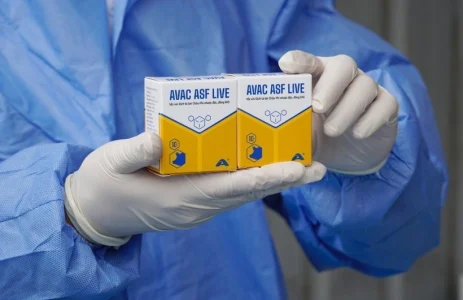
The Department of Agriculture (DA) confirmed that the AVAC ASF Live vaccine from Vietnam is close to receiving commercial release certification from the Bureau of Animal Industry (BAI). This follows the enactment of the Animal Industry Development and Competitiveness Act, which transferred jurisdiction over veterinary products from the Food and Drug Administration to the BAI.
DA Assistant Secretary Arnel De Mesa said the vaccine, once certified, will be sold through registered biologics and veterinary shops. This represents a major step in the Philippines’ fight against ASF, which has disrupted the hog industry since 2019.
Swine industry cautiously optimistic
At Livestock Philippines 2026, National Federation of Hog Farmers Inc President Chester Warren Tan noted that swine inventories are rising annually, particularly in Mindanao. New investors are entering the sector, signaling confidence in recovery.
Mr Tan emphasized that while the industry welcomes vaccines, producers await clear government directives on approved brands. Apart from AVAC, vaccines from South Korea and other sources are also being considered.
Despite the rainy season raising concerns about fresh outbreaks, Mr Tan said farmers are now better equipped to manage ASF, having dealt with the virus for several years. “ASF is currently under control, and farmers know how to contain it,” he added.
Economic pressures remain
Even with disease management improving, swine raisers face weak farmgate prices and rising production costs. Current prices range from USD 2.79–3.03/kg, below production costs estimated at USD 2.95–3.28/kg.
Feed costs have risen sharply, with three rounds of increases in two months, while pork prices have declined five to six times. This leaves many producers operating at a loss. Tan stressed that farmers remain committed to production despite challenges, hoping conditions will improve once vaccines stabilize supply and demand.
ASF cases persist in provinces
Several provinces still have active ASF cases. They include Pangasinan, Romblon, Albay, Northern Samar, Agusan del Norte, Agusan del Sur, Surigao del Sur, and most recently, Negros Occidental. The vaccine rollout will help contain outbreaks and support industry recovery.
Farmers remain hopeful that commercial availability will mark a turning point, balancing disease control with economic sustainability.