


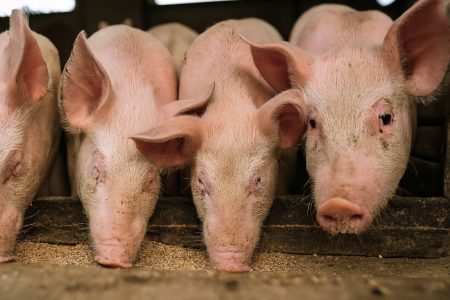
Nutrition is emerging as a powerful tool to improve pig health and reduce reliance on antibiotics. Research led by Dan Columbus at Prairie Swine Centre explores how functional amino acids and dietary strategies can help pigs withstand disease challenges while maintaining growth and efficiency.
The burden of disease on pig production
Illness in pigs carries significant economic and environmental costs. Sick pigs grow more slowly, require more feed, and increase production expenses. Even sub-clinical disease reduces lean gain by 20-35% and feed efficiency by 10-20%. This translates into financial losses of USD 8-30/market pig, excluding diagnostic and treatment costs.
Beyond economics, disease also increases environmental impact. Sick pigs emit about 6% more CO₂ than healthy pigs, underscoring the importance of nutritional strategies that improve resilience and reduce emissions.
Rethinking amino acid requirements
Traditional amino acid requirements are based on healthy pigs raised under ideal conditions. In reality, disease shifts nutrient use away from growth and toward immune response. Sick pigs often catabolize muscle protein to meet amino acid needs, worsening the problem.
Research shows that certain amino acids play critical roles in supporting immunity:
- ✅ Methionine and cysteine (sulfur amino acids)
- ✅ Threonine
- ✅ Tryptophan
These amino acids have increased requirements during disease challenges, highlighting the need for adjusted dietary profiles in sick pigs.
Fiber and gut health
Dietary fiber also plays an important role in pig health. Mr Columbus examined the effect of fiber on threonine requirements in healthy and disease-challenged pigs. Results showed that threonine needs rose with both fiber intake and illness. However, when sick pigs consumed high fiber diets, requirements did not increase further.
High fiber diets improved gut barrier function and prevented leakiness in challenged pigs. This suggests that fiber can protect gut integrity, reducing the severity of disease impacts.
Functional amino acid trials
Several trials tested blends of functional amino acids in nursery pigs challenged with Salmonella.
- ✅ Timing of supplementation: Pigs fed functional amino acids before disease exposure showed reduced growth loss, lower Salmonella shedding, and improved fecal scores. Benefits were strongest when supplementation began two weeks before the challenge.
- ✅ Protein source comparison: Plant protein diets performed poorly after disease challenges. Functional amino acids improved outcomes in these pigs. Animal protein diets supported better growth, with less added benefit from supplementation, suggesting active compounds in animal proteins aid resilience.
- ✅ Birth weight effects: Normal birth weight pigs benefited from supplementation after Salmonella challenge. Low birth weight pigs did not show significant improvement, indicating that pig characteristics influence effectiveness.
Implications for producers
These findings emphasize that nutrient requirements for immune response differ from those for growth. Age, sex, environment, and type of challenge all affect outcomes. Adjusting amino acid content can improve resilience, but timing, protein source, and pig characteristics determine success.
For producers, the message is clear: nutrition can be tailored to improve herd health, reduce reliance on antibiotics, and lower costs. Functional amino acids and fiber offer practical strategies to strengthen pigs against disease challenges.
Practical takeaways
Advances in nutrition research highlight the importance of functional amino acids and dietary fiber in supporting pig health. While antibiotics remain unmatched in their effectiveness, nutritional strategies can reduce disease impacts, improve efficiency, and support sustainable production.
By adjusting diets to meet the needs of sick pigs, producers can improve growth, reduce losses, and enhance herd resilience. This approach aligns with antimicrobial stewardship goals and offers a path toward healthier pigs and more sustainable swine production.