


The Philippine Department of Agriculture’s (DA) proposal to reclassify pork jowl as swine meat has drawn sharp opposition from importers. Reports from BusinessMirror highlight warnings that the move could raise consumer costs and expose the Philippines to trade disputes.
Government seeks higher tariffs on pork jowl
The DA has petitioned the Tariff Commission (TC) to reclassify pork jowl from offal to pork cuts. This change would raise tariffs from 5% to 10% within the minimum access volume (MAV) and 25% for out‑MAV shipments.
Officials estimate the adjustment could generate about USD 63.7 million, in additional revenues for the livestock sector. Agriculture Secretary Francisco Tiu Laurel Jr explained that pork jowl is no longer part of the pig’s head and should be treated as swine meat. He emphasized that the reclassification would improve monitoring and align tariff treatment with its commercial use.
Importers warn of trade risks
The Meat Importers and Traders Association (Mita) strongly opposed the DA’s proposal. In a letter to the TC, Mita President Emeritus Jesus Cham argued that pork jowl remains “part and parcel of the swine head” and should be classified as edible offal under international customs rules.
Mr Cham cited World Customs Organization (WCO) notes that define offal as including heads and cuts thereof. He warned that shifting pork jowl to a meat tariff line could violate Free Trade Agreements (FTAs) and Regional Comprehensive Economic Partnership (RCEP) commitments. Such a move, he added, might expose the Philippines to disputes and retaliatory measures from trading partners.
Consumer and industry impact
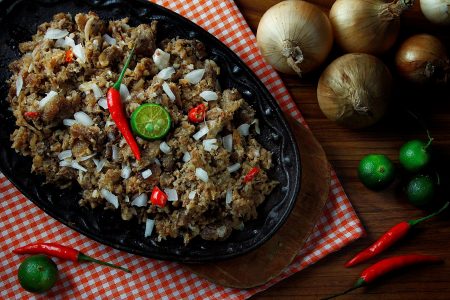
Pork jowl is widely used in Filipino cooking, including popular dishes such as sisig and dinakdakan. Importers caution that higher tariffs could raise costs for households and restaurants, though the broader concern lies in supply chain disruptions and compliance with trade rules.
Brazil, Spain, and other EU countries are major suppliers of pork jowl. Exporters warned that higher tariffs might make shipments financially unviable, reducing supply and further driving up prices.
Public hearing and next steps
The TC will hold a public hearing on September 21 to discuss the DA’s petition. Interested parties have until October 1 to submit position papers. The DA hopes the TC will approve the reclassification, allowing revenues to support the PHP 20 billion (~USD 318.5 million) Animal Competitiveness Enhancement Fund aimed at revitalizing livestock and poultry industries.
Mita, however, has urged regulators to restore domestic standards that explicitly classify pork jowl as offal. Aligning with international norms, they argue, would avoid regulatory ambiguity and prevent potential trade conflicts.