


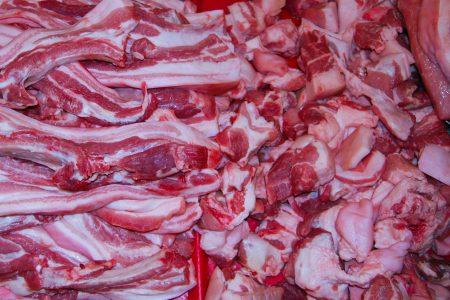
Philippine meat imports rose 33% in the H1 2026, reaching 872,275 tons, Bureau of Animal Industry data show. Pork remained the largest contributor, totaling 455,382 tons. Pork cuts alone reached 204,184 tons, while offals added 131,379 tons. Bellies and fats contributed 65,558 tons and 34,349 tons respectively, underscoring pork’s dominance in the import mix.
Chicken followed with 291,497 tons, driven by 170,054 tons of mechanically deboned meat used in processed products. Chicken cuts and leg quarters added more than 101,000 tons combined, reflecting strong demand for poultry.
Beef imports reached 95,770 tons, with beef cuts accounting for 62,141 tons. Fats and offals added nearly 27,200 tons, showing steady demand for varied beef products.
Government steps in on pork supply
President Ferdinand Marcos Jr signed Executive Order 116 on May 19, 2026, raising the minimum access volume for pork imports. The quota increased to 204,210 tons from 54,210 tons. Imports within quota face a 15% tariff, while those outside are charged 25%.
The Department of Agriculture is preparing rules for a price‑based trigger system. Expanded imports at lower tariffs will be allowed once retail pork prices exceed a set threshold for a month. This aims to stabilize supply and keep pork affordable.
Pork remains the largest import
Pork accounted for 455,382 tons in the H1, making it the single largest meat category. Brazil was the dominant supplier, shipping 224,243 tons, nearly half of the total.
The US followed with 21,833 tons, while Canada contributed 10,600 tons. Spain supplied 29,185 tons, Denmark 8450 tons, and Australia 6347 tons. Germany added 5100 tons, showing Europe’s steady role in the trade.
Chicken and beef add to the surge
While pork dominates the surge, chicken and beef imports continue to play important roles in balancing supply for consumers.
Chicken imports grew nearly 14% year‑on‑year, with mechanically deboned meat making up the majority. This product is vital for hotdogs and other processed foods. Beef imports rose more than 4%, led by cuts at 62,141 tons, supported by fats and offals.
Imports diversify as local recovery lags
Brazil remained the top overall supplier of meat, providing 429,692 tons, nearly half of total imports. The US followed with 105,381 tons, while Australia shipped 47,630 tons. Canada and Denmark also contributed notable volumes, reflecting the Philippines’ strategy to secure supply from multiple partners and reduce risks from regional disruptions.
At the same time, reliance on imports underscores the slow recovery of the swine industry from African swine fever. Domestic production remains below pre‑outbreak levels, and expanded quotas with tariff adjustments aim to ease consumer prices. Yet these measures also highlight the challenges facing local producers.