


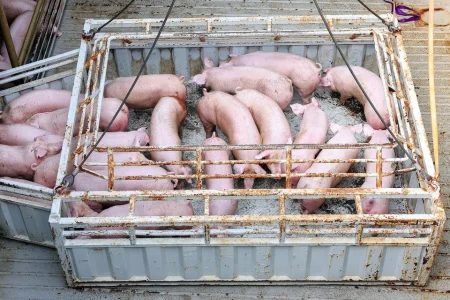
Singaporean authorities are looking to resume live pig imports from Bulan Island in Indonesia. Imports were paused after African swine fever was detected in one consignment of pigs from the island.
The Singapore Food Agency (SFA) said this move is part of its broader strategy to diversify safe food sources for the nation. SFA and the Animal and Veterinary Service, under the National Parks Board, are working with Indonesia’s Directorate General of Livestock and Animal Health Services.
“The agencies will conduct an official assessment for the resumption of pig imports when the exporting farm is ready,” the SFA told local media.
Sources of pork in Singapore
In 2024, Singapore’s main pork suppliers were Australia, Brazil and Germany. Malaysia, specifically Sarawak, remains the only source of live pigs. These animals are slaughtered locally and sold as chilled pork.
Singapore imports chilled pork from countries like Australia and Canada. Frozen pork comes from Brazil, the US, Spain and China, among others.
FairPrice Group is the sole importer of live pigs, operating through its subsidiary OJJ Foods. Each week, FairPrice brings in about 3000 pigs from Malaysia, accounting for nearly half of its pork sales.
Imports from Malaysia resumed in 2017 after a ban imposed in 1999 was lifted. That ban followed a Nipah virus outbreak, which killed about 100 pig farmers in Malaysia and one abattoir worker in Singapore.
“We know just how important quality and variety are to local families. By bringing in live pigs from Malaysia, we want to provide our customers with the best when it comes to freshness and flavor,” said OJJ Foods Chief Executive Danny Ong.
Fresh pork and rising demand
Ahead of Chinese New Year, FairPrice will increase live pig imports by 20 percent, or about 600 pigs, said David Goh, Chief Executive of Supermarkets at FairPrice.
He said demand for pork has grown steadily over the past three years.
Twice weekly, pigs are shipped from Malaysia under strict veterinary controls. Upon arrival, they are inspected and sent to an SFA-licensed abattoir in Jurong. After slaughter, the pork is processed at OJJ Foods in Chin Bee Avenue, then distributed to FairPrice supermarkets, wet markets, restaurants and manufacturers within the same day.
“Fresh pork from Malaysia is the most popular variety of pork with our customers,” said Mr Goh.
He added that the pigs, a cross of four breeds, are valued for their balance of lean meat and fat. They are grain-fed for 180 days on corn, soybean meal and wheat bran, without antibiotics or growth promoters.
Importing live pigs also strengthens supply chain oversight.
“We know exactly which farm our pork comes from, we can control how the pork is butchered and processed in the factory, and how it is packaged and delivered to our stores,” said Mr Goh.
Diversification for resilience
As part of efforts to diversify its pork sources, FairPrice also imports fresh pork from Perth and Brisbane in Australia.
“We are always looking for ways to strengthen and diversify our supply chain to keep essential proteins like pork accessible for Singaporeans,” said Mr Goh.
The group also imports frozen pork from Brazil, Japan, Poland, Spain, Germany, and the Netherlands.
Other supermarket chains, including Sheng Siong and Cold Storage and Giant, also rely on diversified imports. Sheng Siong sources chilled pork from Australia and frozen pork from Brazil, Germany and Spain. Cold Storage and Giant follow similar strategies, emphasizing the importance of pork during festive seasons.
“This diversified approach helps manage supply risks and cost volatility while ensuring consistent availability and strict compliance with food safety and regulatory standards,” said a spokesperson for Sheng Siong.
A spokesperson for Cold Storage and Giant said: “Pork is an essential for many households, especially during festive periods when demand typically increases.”
“To ensure continuity of supply, we plan ahead and maintain a diversified sourcing strategy which strengthens supply resilience.”