


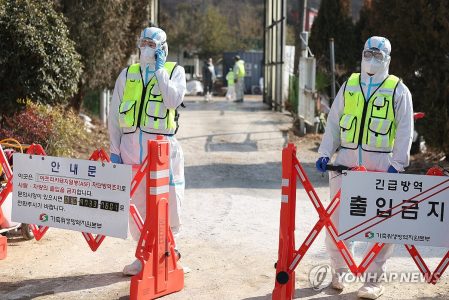
South Korea has confirmed its 15th African swine fever (ASF) case this season, intensifying concerns as the country enters the Lunar New Year holiday period this week, Yonhap News Agency reported.
The latest outbreak was detected at a pig farm in Changnyeong, South Gyeongsang Province, about 263 kilometers southeast of Seoul. Quarantine officials restricted access to the site and began culling all pigs to prevent further spread.
Holiday fears heighten quarantine efforts
Authorities warned that ASF could spread more easily during the five-day Lunar New Year holiday, when livestock transport and human movement typically increase.
Farm owners and workers were urged to comply strictly with standstill orders and biosecurity guidelines.
The Changnyeong case follows earlier outbreaks in Jeongeup, Gimcheon, and Hongseong, which brought the total to 14 before the latest confirmation.
The first case of the year was reported on January 16 in Gangneung, Gangwon Province, and subsequent infections quickly spread to other regions.
Nationwide crackdown on risk factors
To contain the disease, officials have expanded inspections and tightened controls across the country.
By February 28, all 4800 pig farms nationwide will undergo checks.
Key measures include:
- ✅ Immediate culling of infected herds
- ✅ Enforcing 48-hour standstill orders in affected regions
- ✅ Crackdowns on illegally imported livestock products
- ✅ Strengthened vaccination against other livestock diseases
Safeguarding the farming sector
ASF is not harmful to humans but is highly lethal to pigs, posing a serious risk to the farming sector and food supply.
Authorities stressed that vigilance is critical to preventing further damage to the industry.