

South Korea has introduced emergency tariff quotas on pork and chicken to counter rising food costs.
The government announced the measures on May 14, citing inflation risks linked to global supply disruptions and regional conflicts.
Tariff relief on pork and chicken
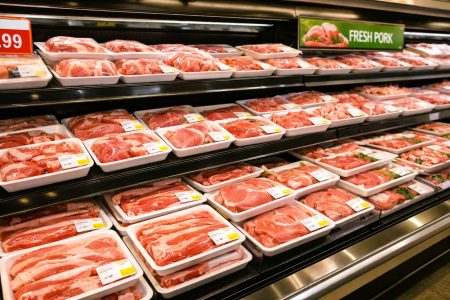
Authorities will cut tariffs on 12,000 tons of pork will run until the end of the year. A separate quota covering 30,000 tons of chicken until the end of July 2026.
Officials said the move is designed to ease consumer burdens and stabilize household budgets. The Ministry of Economy and Finance emphasized that these quotas are part of broader efforts to contain food inflation.
Expanded supply and discount programs
The government will release 8000 tons of seafood reserves, including mackerel, squid, cutlassfish, and pollock. Pork supplies will also be expanded at wholesale markets starting in May.
To further support consumers, USD 14.9 million in discount programs will be offered for agricultural, livestock, and fisheries products during May and June. Officials are also reviewing additional egg imports from Thailand and the US to secure stable supplies.
Fuel subsidies and transport support
Beyond food, the government is addressing transport costs. The diesel subsidy cap for bus and freight operators will rise from USD 1.33-1.42/L.
Civic groups will continue operating “good gas stations,” a program designed to stabilize petroleum prices. These measures aim to prevent rising fuel costs from worsening inflationary pressures.
Crackdown on hoarding and unfair gains
Authorities pledged stronger enforcement against hoarding and unjust enrichment. Planned revisions to the Price Stabilization Act include a confiscation system, whistleblower reward programs, and surcharges on unfair gains.
Officials stressed that these steps are necessary to ensure that emergency measures benefit consumers rather than speculative traders.
Coordinated response to inflation risks
The government’s actions reflect concerns that global instability, particularly in the Middle East, could drive further price increases.
By combining tariff relief, expanded imports, subsidy adjustments, and stricter enforcement, Seoul aims to protect households from sudden spikes in food and fuel costs. Officials said the measures will remain under review, with adjustments possible depending on market conditions.