


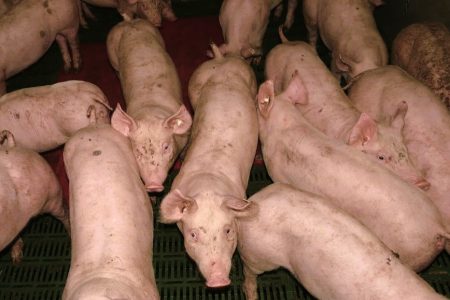
Swine enteric coronaviruses (SECoVs)—including transmissible gastroenteritis virus (TGEV), porcine epidemic diarrhea virus (PEDV), porcine deltacoronavirus (PDCoV), and swine acute diarrhea syndrome coronavirus (SADS-CoV)—cause severe intestinal disease in pigs. Piglets are most vulnerable, with mortality rates reaching nearly 100% in some outbreaks. These viruses damage intestinal cells, leading to diarrhea, dehydration, and rapid weight loss.
A study published in the journal Animals underscores how these viruses remain antigenically distinct, meaning infection with one does not protect against another. Their ability to mutate and recombine quickly complicates control efforts and raises concerns about cross-species transmission.
Outbreaks, transmission, and zoonotic risks
Historical outbreaks illustrate the scale of losses. China reported over one million piglet deaths in 2010, while the US lost more than eight million piglets in 2013, costing up to USD 1.8 billion. In 2017, SADS-CoV killed more than 20,000 piglets in China.
PEDV remains the most widespread SECoV, with variant strains dominating globally. PDCoV has spread across Asia and the Americas, while SADS-CoV remains largely confined to China but shows potential for cross-border transmission.
SECoVs spread mainly through the fecal–oral route, but aerosol, milk-borne, and even semen transmission have been documented. Their resilience in the environment allows prolonged survival, enabling indirect spread between farms. Co-infections with other pathogens worsen disease severity and create opportunities for viral recombination.
Evidence suggests SECoVs may cross species barriers. PDCoV has been detected in children in Haiti, confirming natural human infection. SADS-CoV replicates efficiently in human cells, underscoring its zoonotic potential. These findings highlight the importance of One Health surveillance that integrates animal and human monitoring.
Diagnostics, vaccines, and future defenses
Traditional diagnostic methods are slow, but molecular tools such as RT-PCR, digital droplet PCR, and CRISPR-based assays now enable faster, more sensitive detection. Portable isothermal methods show promise for field use.
Vaccine development is ongoing, with mRNA-based and virus-like particle platforms under study. However, antigenic diversity limits current vaccine effectiveness, particularly against PEDV variants. Multivalent vaccines targeting conserved viral regions are seen as the best path forward.
Swine enteric coronaviruses continue to evolve, challenging existing control measures and threatening both animal health and food security. Strengthened farm biosecurity, improved vaccine strategies, and integrated genomic surveillance are essential to reduce risks and prepare for potential zoonotic spillovers.