


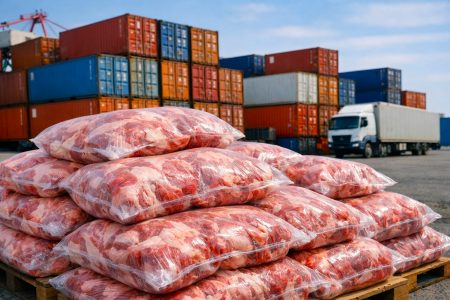
The UK has secured new trade developments in the Philippines and Vietnam, including measures affecting pork exports and market access.
The developments were announced during a trade mission to the two countries led by UK Biosecurity and Trade Minister Baroness Hayman. The delegation included representatives from the meat, seafood, dairy and spirits sectors.
For the pork industry, the mission delivered a regionalization agreement with the Philippines and progress on market access issues in Vietnam.
Philippines agreement aims to protect trade
The most significant outcome for the pork sector was a new African swine fever (ASF) regionalization agreement between the UK and the Philippines.
Under the agreement, exports from disease-free areas of the UK could continue if ASF were detected in a specific part of the country. The arrangement recognizes regional disease controls rather than imposing restrictions on the entire UK.
According to the UK government, the agreement could protect up to USD 225 million (GBP 1: USD 1.31) worth of British pork exports over five years.
The Philippines has become an important market for British pork exporters. The UK’s Agriculture and Horticulture Development Board (AHDB) reported that the country imported more than 850,000 tons of pork last year, accounting for more than half of all meat imports.
Mark Haighton, AHDB’s Pork Sector Director, said the market is particularly important for products that attract lower domestic demand in the UK.
He said exports of jowls, ears, trotters, offal and manufacturing meat help improve whole-carcass value and contribute to producer returns.
British pork exports currently represent a small share of the Philippine market. Brazil supplies close to 40% of Philippine pork imports, while the UK accounts for about 2.5%.
Import suspension raises questions
While the regionalization agreement was welcomed by industry representatives, the trade mission coincided with a new development in the Philippine market.
On the first day of the visit, the Philippine government announced a temporary 60-day suspension on selected pork imports.
The measure was introduced to support domestic producers affected by rising imports and falling farmgate prices. Industry representatives sought clarification on how the measure would apply to orders already agreed and shipments that were already in transit.
Mr Haighton said uncertainty remained for exporters, processors and Philippine importers while details continued to be clarified.
Vietnam export access expands
Alongside developments in the Philippines, UK representatives highlighted progress in Vietnam.
The UK government announced the reopening of the Vietnamese market to processed animal protein exports. According to the government, the market is estimated to be worth USD 92 million over five years.
Discussions during the visit also focused on pork export certification requirements.
Industry representatives have sought certification that specifies individual pork products rather than broader product descriptions. Supporters of the change say it would provide greater clarity for exporters and importers.
Vietnam imported approximately USD 419 million worth of pork in 2025, according to figures cited during the mission.
Improved certification arrangements could support exports beyond traditional products such as pork belly and offal.
Turning access into trade
Following the mission, industry representatives emphasized the importance of continued engagement with customers and government officials in both countries.
Jonathan Eckley, AHDB’s Director of International Trade Development, said trade missions help strengthen relationships and support efforts to convert market access into commercial opportunities.
Throughout the visit, UK representatives met with government officials, importers and industry stakeholders in both markets.
The mission also promoted British agriculture’s strengths in food safety, traceability, animal welfare and production standards.
The agreements and market access developments mark important steps for UK pork exporters in both markets. Attention now turns to how those opportunities translate into future trade.