


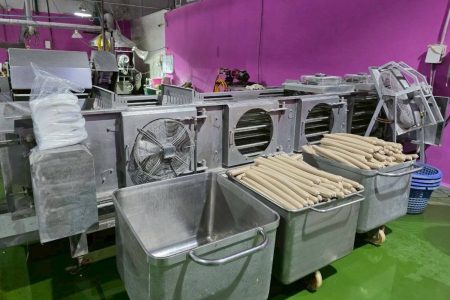
A meat processing plant in Thailand that sells about 30 tons of branded products nationwide each month was shut down after failing to meet sanitary standards on June 9 as reported by Bangkok Post.
The plant was also using fake and expired FDA registration product numbers, leading to the confiscation of over 10,000 bags of sausages, meatballs and squid balls.
Pol Maj Gen Kongkrit Lertsittikul, Commander of the Consumer Protection Police Division (CPPD), ordered the inspection after a string of complaints about the operations of a meat processing plant in Lam Kuk Ka district.
Officials from the Food and Drug Administration (FDA), the Department of Livestock Development and the Public Health Department of Pathum Thani Province were also involved in the inspection. The plant’s closure and other details were announced by the FDA.
The investigation revealed that the plant was producing and packaging a range of meat products for sale that did not meet the hygiene standards required by law. The plant’s license to produce food had expired on December 31, 2025, and no renewal sought.
The plant owner, identified by the FDA only as Mr Atthapol, reportedly said the plant had been operating for about 10 years. It produced a large line of products that were sold to customers nationwide and had an average production capacity of 30 tons per month, worth at least USD 91,000. The name of the plant was not released.
The illegal factory’s products included meatballs, sausages and Vietnamese pork sausages, produced in conditions found to fall short of sanitary guidelines, the FDA announcement said.
Six lines of products, totaling 6,109 bags, lacked registration numbers. These products included CFP brand squid balls, unbranded chicken tendon meatballs, CHALAME brand beef and chicken meatballs, Ros Lert brand pork meatballs, and K@P brand Vietnamese chicken sausages.
Ten other lines of products, totaling 2,507 bags, were also found to be utilizing food product registration numbers that had previously been revoked.
These products included mini pork sausage, 100% Ubon-style black pepper pork sausage, Ubon-style black pepper pork sausage, PPM brand Grade A Ubon pork sausage, RF brand pork tendon meatballs, S. Korat brand black pepper pork sausage, K&P brand black pepper chicken sausage, and various brands of meatballs and imitation crab.
Additionally, four products were found to be using fake food registration numbers, totaling 1,800 bags.
These products included Ubon Ratchathani black pepper pork sausage, Mae Ploysuk brand Ubon Ratchathani pork sausage, Seffy Pork brand Ubon Ratchathani pork sausage and Super Pork brand fried pork sausage.
During the inspection, officials also seized raw ingredients, machinery and other production equipment. Together, the seized products and machinery were valued in excess of around USD 212,000.
Product samples were sent for analysis at the Department of Medical Sciences. If tests show the use of prohibited substances or contaminants exceeding the set standard, the plant will be charged under the Food Act with producing impure food, which is punishable by up to 2 years’ imprisonment and/or a maximum fine of USD 600.
The plant and owner were initially charged under the Food Act with multiple offences, including operating a food production facility without a permit, producing food with incorrect labeling, manufacturing and selling counterfeit food products and continuing production after their license had expired without seeking renewal.
They were taken into custody and transferred to investigators from Division 4 of the Consumer Protection Police Division for further legal action.