


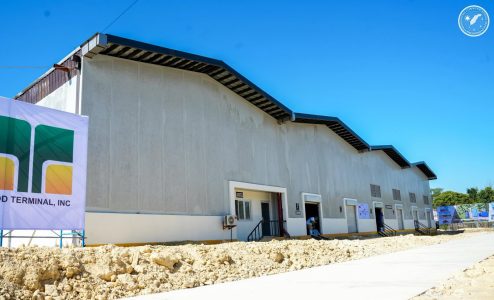
The Philippines has inaugurated a new USD 8.5 million cold storage facility in March to secure food supplies and strengthen farmer incomes in the Bicol region.
A landmark cold chain plant
The Bicol Mega Cold Storage facility, funded by the Department of Agriculture (DA) and the Office of the President, is the first completed project under the DA’s cold storage expansion program. Located in Barangay San Jose, Pili, Camarines Sur, it features six temperature‑controlled rooms designed to handle pork, poultry, beef, fish, fruits, and vegetables, ensuring farmers across sectors benefit from modern cold chain infrastructure.

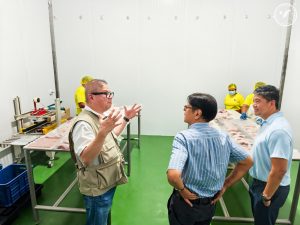
Photo credit: Presidential Communications Office
DA Secretary Francisco Tiu Laurel Jr said the new plant reflects the government’s commitment “to cut postharvest losses, stabilize food supply, and ensure lasting rural development.”
With an annual capacity of more than 200,000 tons, the facility is among the largest in the region. Its opening directly addresses a chronic gap in agriculture: the lack of reliable and energy‑efficient storage and transport systems.
Technology serving farmers
The plant integrates refrigerated warehouses, blast freezers, solar‑powered systems, and preparation rooms for blast freezing, processing, and packaging. These innovations provide farmers with:
- ✅ Extended shelf life for perishable goods
- ✅ Reduced post‑harvest losses, estimated at about $400 annually per farmer
- ✅ Improved food safety through National Meat Inspection Service oversight
- ✅ Flexibility to time sales for favorable market conditions
Cold chain growth and national impact
Analysts project the Philippine cold chain industry to expand by 8–10% annually through 2031. The Bicol hub strengthens pork distribution networks while also supporting other commodities. Rising transport and production costs, partly driven by global fuel price increases and geopolitical tensions, have pressured farmers. Without cold storage, many are forced to sell quickly at low prices or risk losing their harvest.

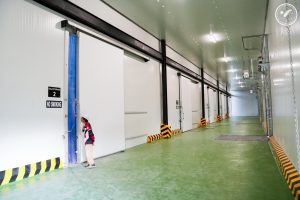
Photo credit: Presidential Communications Office
The timing of the plant’s opening is critical. It provides farmers with infrastructure that reduces waste, improves food safety, and enhances competitiveness in national markets. Over 200,000 farmers and cooperatives are expected to benefit. Pork producers stand out as key stakeholders, but the broader agricultural community will also gain from improved infrastructure and market access.