


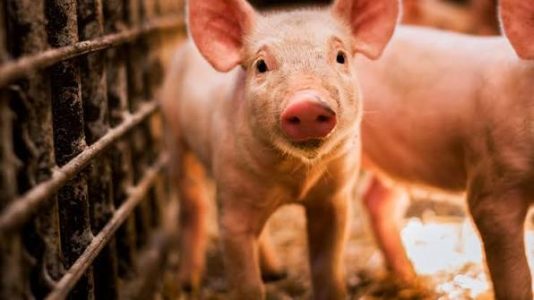
Vietnam is intensifying efforts to attract high-quality investment, advanced technologies, and value-added processing to modernize its livestock sector. The goal is to strengthen competitiveness, expand export opportunities, and position the industry for long-term growth.
At the Asia Livestock Cooperation Forum 2026 in Ho Chi Minh City, experts and policymakers emphasized the importance of high-tech production, digital transformation, and circular economy practices. The forum brought together industry experts, policymakers, and businesses from across Asia, particularly Vietnam and China. With the theme ‘Connecting Hubs, Creating Value Together’, it highlighted Vietnam’s commitment to integrated value chains and international collaboration.
La Van Kinh, Vice Chairman of the Vietnam Feed Association, noted that global challenges make international cooperation essential. He stressed that Vietnam is prioritizing projects that combine advanced technologies, modern management, and high-quality capital to maximize value creation across the livestock chain.
Toward a modern and sustainable livestock industry
Sharing Vietnam’s Livestock Development Strategy to 2030, with a vision toward 2045, underscores the sector’s role as a pillar of the agricultural economy. Nguyen Xuan Duong, Chairman of the Vietnam Animal Husbandry Association, said that livestock production currently contributes 25–30% of agricultural output value.
The strategy focuses on integrated value chains, biosecurity, food safety, environmental sustainability, and climate resilience. It also aims to improve competitiveness to meet domestic demand while supporting export growth.
Progress has already exceeded expectations. Total meat production reached 6.88 million metric tons in 2025, surpassing the target of 5.5–6.0 million tons. Pork remains dominant at 63–65% of output, followed by poultry at 25–27% and ruminant meat at 9–11%.
By 2030, Vietnam plans to maintain annual production at 6.5–7.0 million tons while gradually increasing poultry and ruminant shares. Investment priorities include centralized slaughterhouses, meat processing, disease-free zones, and Industry 4.0 technologies.
These areas are expected to become key priorities for future domestic and foreign investment.
Growth opportunities and rising competition
Despite strong growth prospects, Vietnam’s livestock industry faces intensifying competition. Mr Duong said commitments under free trade agreements such as the Comprehensive and Progressive Agreement for Trans-Pacific Partnership (CPTPP) and EU-Vietnam Free Trade Agreement (EVFTA) will reduce tariffs on imported meat to zero within five to seven years.
This shift will challenge domestic producers, who must compete directly with imported products. The industry also depends heavily on imported feed ingredients, leaving production costs vulnerable to global commodity fluctuations.
“To remain competitive, livestock products must be cost-efficient, high-quality, and capable of competing directly with imported meat,” Mr Duong said.
Building a sustainable future
Pham Kim Dang, Deputy Director General of Livestock Production and Animal Health, highlighted Vietnam’s strong global livestock rankings. The country places fifth in pig inventory, sixth in pork production, and second worldwide in waterfowl population. He added that Vietnam also leads Southeast Asia as its largest producer of animal feed.
Exports continue to expand, with turnover reaching USD 627 million in 2025. Yet the industry faces challenges from rising logistics costs, stricter traceability requirements, and commitments to net-zero emissions by 2050.
Mr Dang described 2026–2030 as a “golden opportunity” to transform the sector. He noted that Vietnam’s strategy aligns with the Food and Agriculture Organization (FAO) vision of better production, better nutrition, a better environment, and a better life. This alignment positions the livestock industry for sustainable growth and stronger global integration.