


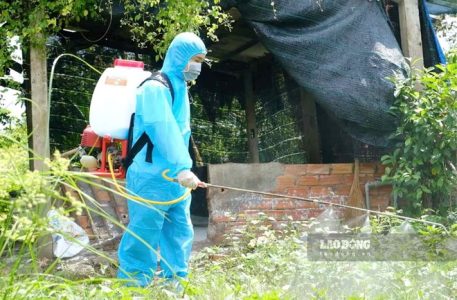
African swine fever (ASF) continues to challenge pig producers in Can Tho, prompting authorities to urge caution as farmers consider restocking their herds. Lao Dong reported that the disease remains active in several areas despite intensified control measures by local authorities. As a result, concerns remain over further outbreaks in the coming months.
From the beginning of 2026, ASF affected 27 farming households across 20 communes and wards in the city. The outbreaks resulted in 902 pigs becoming infected or dying and subsequently being destroyed. Authorities also reported that 10 communes and wards had not yet completed the 21-day monitoring period required after outbreaks. As a result, officials believe the risk of new infections and further spread remains very high through the end of the year.
Disease sources remain difficult to control
According to local authorities, sources of infection remain complex, making disease control more challenging. The continued appearance of outbreaks in multiple locations has reinforced concerns that the virus can still circulate if preventive measures lapse.
Officials have therefore urged farmers to closely monitor herd health and act quickly when unusual symptoms appear. Producers should isolate suspected animals immediately and notify veterinary authorities or local governments for inspection and response.
At the same time, local governments have stepped up surveillance activities. Authorities are reviewing livestock populations, monitoring farms more closely, and implementing disease-control measures in affected areas. These efforts aim to contain outbreaks before they spread to neighboring farms and communities.
Focus on vigilance before restocking
The city’s agricultural authorities are also advising farmers to exercise caution when rebuilding pig herds. Restocking too quickly could increase disease risks, particularly in areas that recently experienced outbreaks.
Local officials stressed the importance of maintaining biosecurity measures and following guidance from veterinary services. Careful monitoring of animal movements, farm sanitation, and disease reporting remains a key part of the response strategy.
Authorities have also instructed local administrations to ensure support programs for affected producers are implemented according to regulations. This includes processing documentation and compensation payments for eligible farms that suffered losses from animal disease outbreaks.
Continued monitoring across the city
While disease-control measures remain in place, authorities continue to track developments closely. Veterinary teams and local governments are working together to identify outbreaks early and limit transmission.
With ASF still present in several areas, officials are calling on producers to remain vigilant. They believe rapid reporting, strict biosecurity, and cautious restocking decisions will be critical to protecting herds and reducing the risk of further spread in the months ahead.