


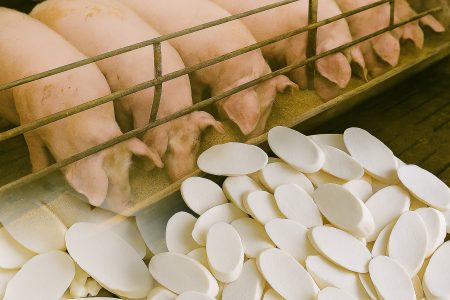
Cassava-processing enterprises in Vietnam have reported significant confusion over VAT rates applied to agricultural products, such as dried cassava pulp and dried cassava chips, used in animal feed.
Tax authorities have issued inconsistent guidance and imposed inconsistent rates: : 10% (currently reduced to 8% until December 31, 2026), 5%, or full exemption for the same type of goods.
Businesses said these inconsistencies complicate compliance and increase costs. They have asked for unified guidance to ensure fairness and predictability in tax obligations.
Legal framework for VAT on animal feed
The Ministry of Finance clarified VAT rules based on existing laws.
- ✅ VAT-exemption: Clause 3, Article 5 of VAT Law No. 48/2024/QH15 exempts animal feed and aquatic feed as defined under relevant laws.
- ✅ 5% VAT rate: Point d, Clause 2, Article 9 applies 5% VAT to crop, forest, livestock, and aquaculture products with only simple preliminary processing, unless exempt.
- ✅ Clarification on crop products: Clause 5, Article 9 specifies that crop products used for animal feed or medicinal purposes are taxed at the applicable rate, usually 5%.
- ✅ Decree guidance: Clause 1, Article 4 of Decree No. 181/2025/NĐ-CP exempts products undergoing simple preliminary processing, such as cleaning, drying, peeling, milling, crushing, cutting, grinding, or roasting, etc.
These provisions highlight the overlap between exempt goods and those taxed at 5%, which has caused confusion among cassava enterprises.
Unified guidance from the Ministry of Finance
To resolve uncertainty, the Ministry of Finance issued unified guidance on VAT application:
- ✅ Case 1: Animal feed classification
If a product, such as dried cassava pulp or dried cassava chips, is identified as animal feed under relevant laws, it is VAT-exempt at all stages. - ✅ Case 2: Preliminary processed agricultural products
If classified as agricultural products with only simple preliminary processing and used for animal feed or medicinal purposes, they are taxed at the rate for that category, usually 5%.
The Ministry encourages businesses to study the regulations to ensure accurate compliance and avoid tax penalties.