


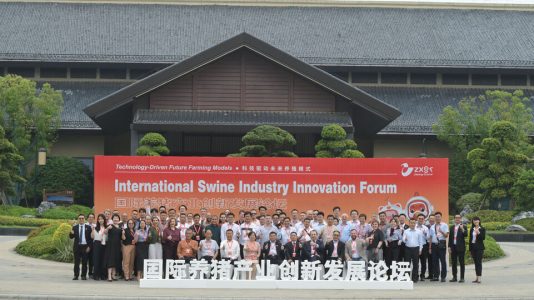
Seventy industry leaders from across the world flew into a city most of them had never heard of, drawn by a simple premise: the way pigs are raised is changing faster than most of the industry is ready for, and the people who understand that will shape what comes next.
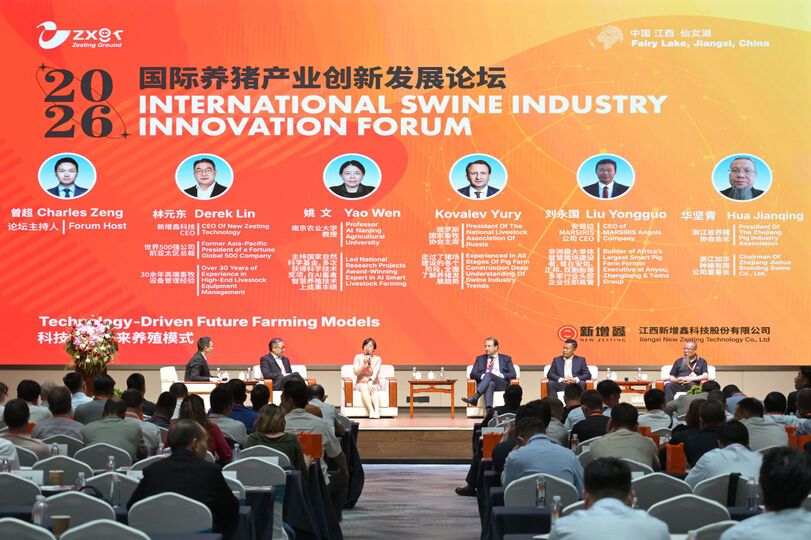

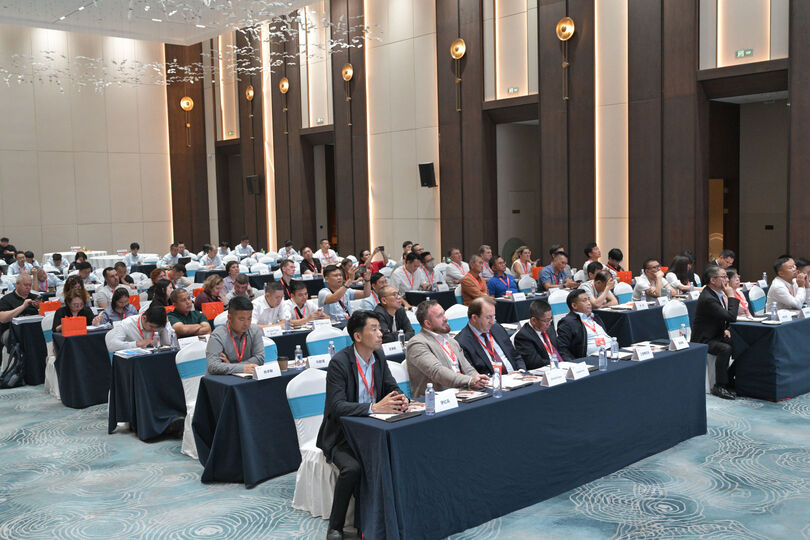
The International Swine Industry Innovation Forum, hosted by New Zesting Technology on the shores of Fairy Lake in Xinyu, was not a trade show. It was a working conversation, two days of unfiltered exchange between biosecurity specialists, artificial intelligence (AI) engineers, nutritionists, and farm operators who are all, in different ways, trying to solve the same problem: how do you build a pig farm that is smarter, leaner, and more resilient than the one that came before it?
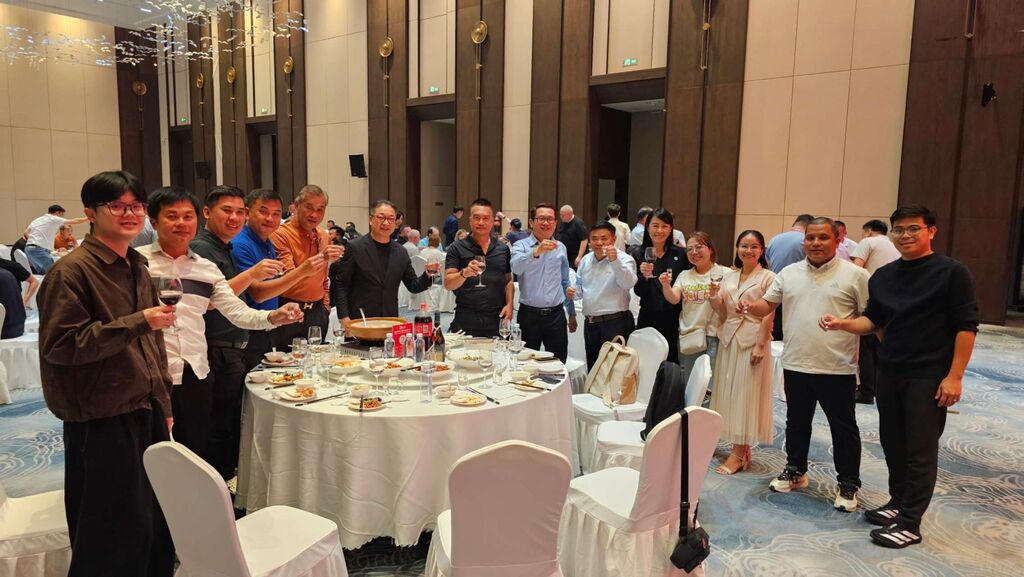
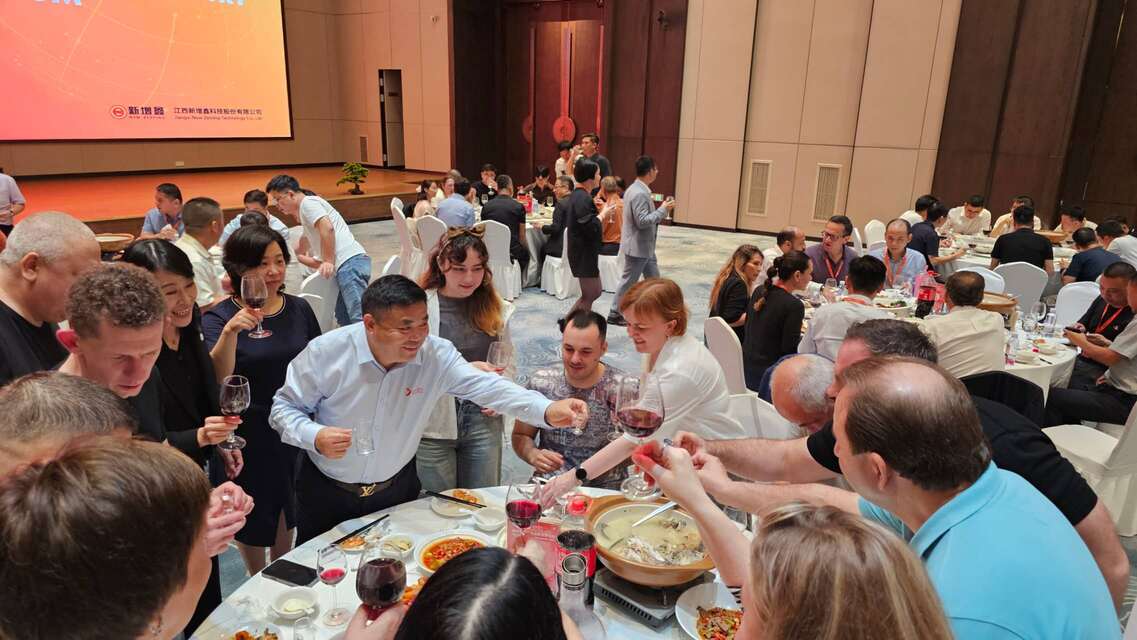
The evening before the forum set the tone. At a welcome dinner beside the lake, New Zesting Chairman Zeng Niangen did not open with a company presentation. He opened with a question, where is this industry going, and who in this room is willing to help build it? The guests, many meeting for the first time, left the dinner with phone numbers and plans.
The forum itself moved between the urgent and the visionary. African swine fever still haunts the sector, biosecurity strategies dominated one session, with practitioners sharing what works on the ground and what does not.
In the next room, researchers were demonstrating how AI is moving from pilot project to production reality: precision feeding systems that adjust nutrition in real time, automated health monitoring that flags a sick animal before a stockperson notices anything wrong, smart warehousing that eliminates the margin for human error at scale.
The roundtable on AI-driven transformation was the session people stayed late for. The question was not whether AI belongs in livestock farming — that debate is settled. The question was how fast operators can move, and what it actually costs to get there. The answers were honest and occasionally uncomfortable.


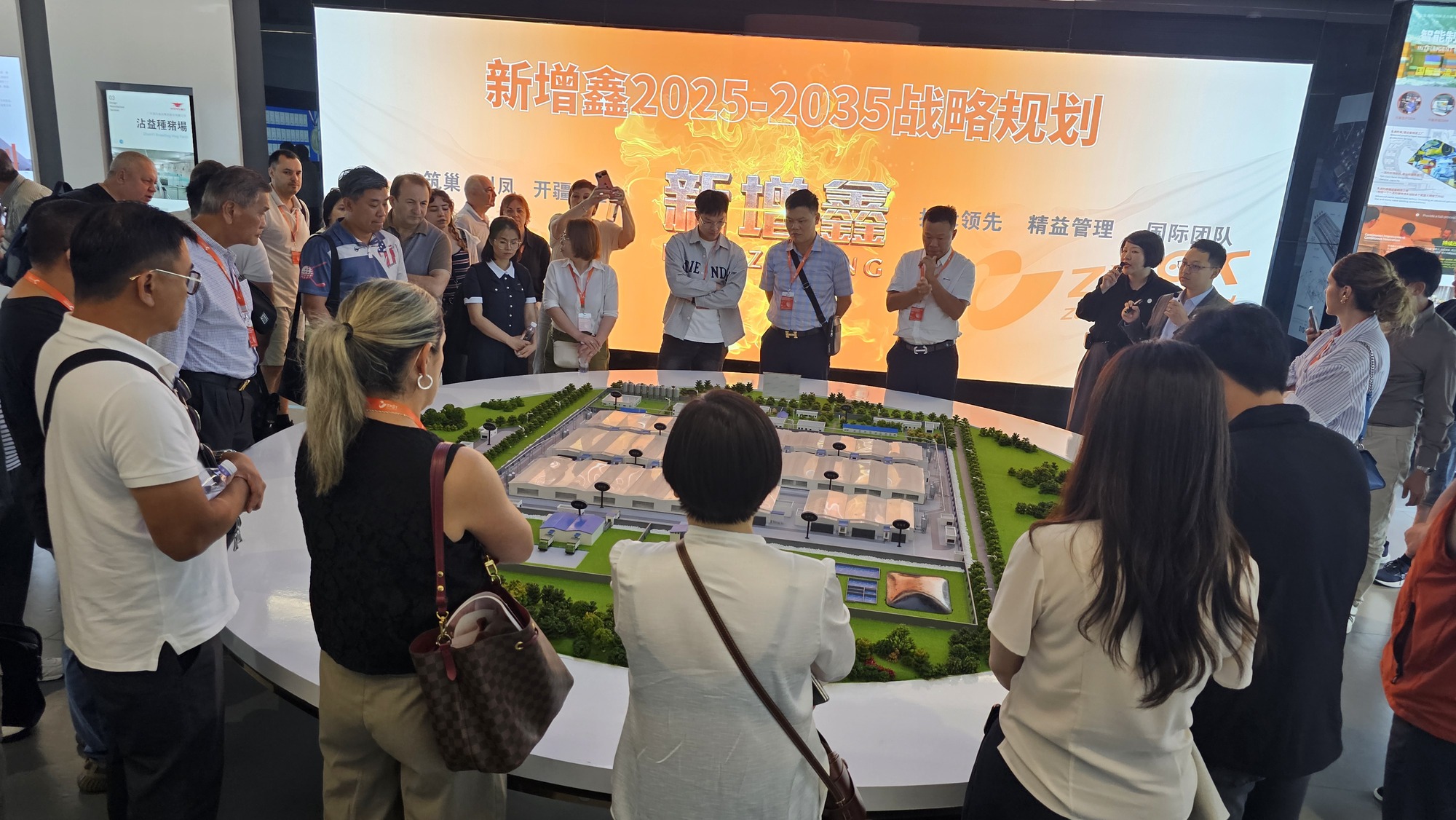
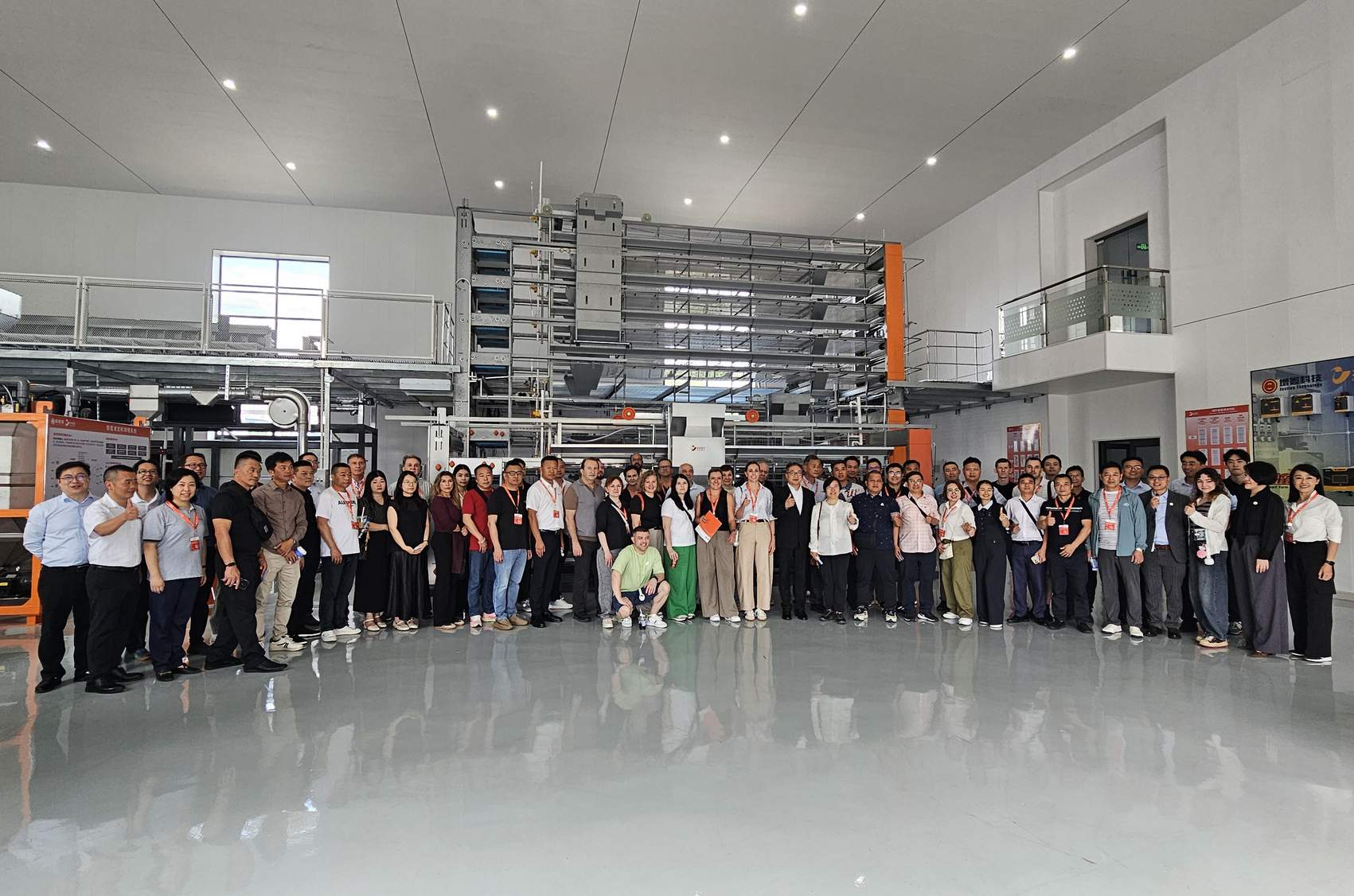
On the third day, delegates walked through New Zesting’s intelligent manufacturing facility in Xinyu. The abstract became concrete. These were not prototype machines. This was production-grade equipment, built and shipped, already working on farms across multiple countries. The recognition in the room was visible — these were people who had spent years trying to explain to sceptics what modern swine production could look like. Here it was, running.


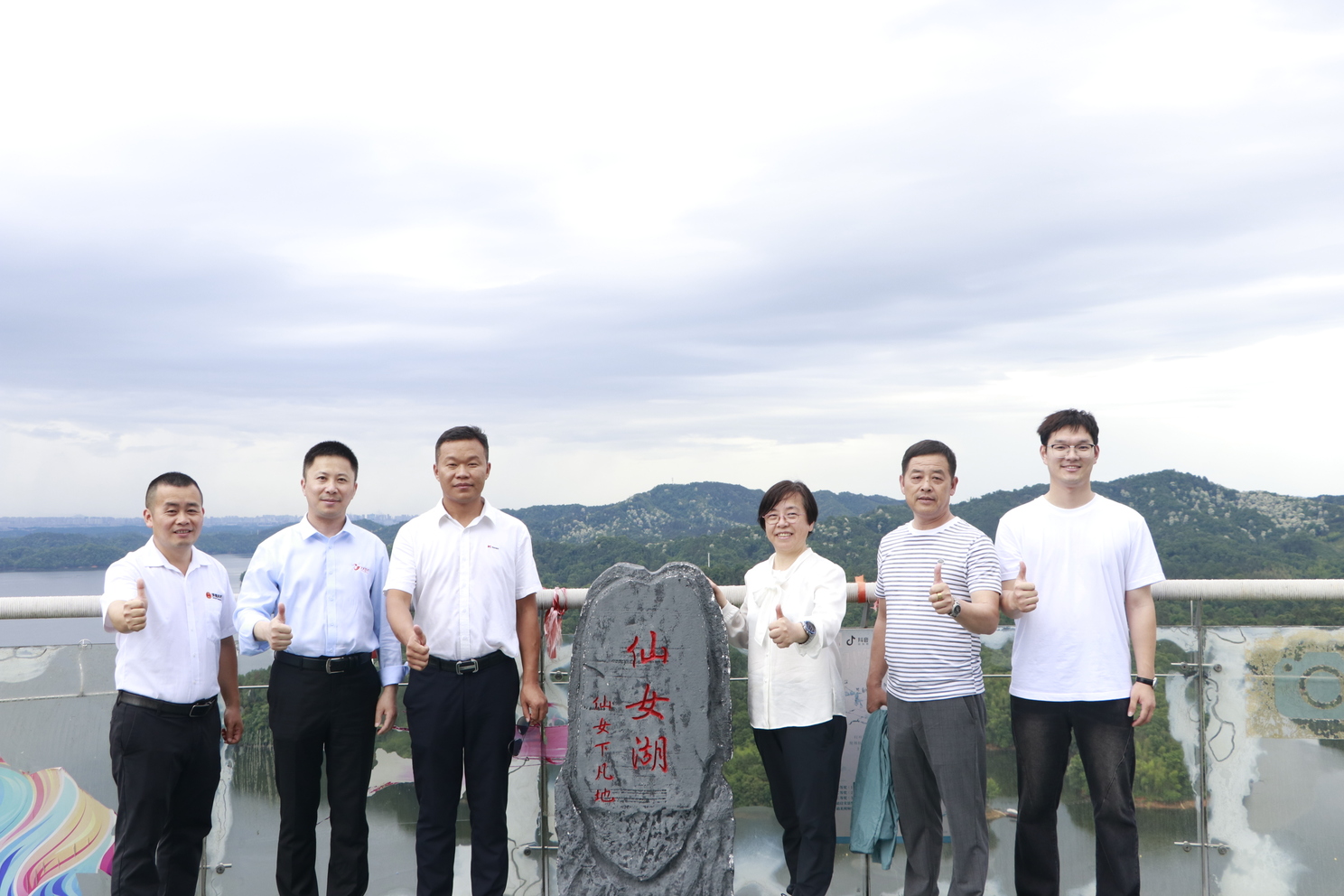
Fairy Lake got the last word. The cultural visit that closed the program was, on the surface, a courtesy. In practice it was something else — the moment where 70 people from different countries, competing companies, and different points on the industry’s learning curve sat beside the same water and talked about something other than work. Those conversations often matter more than the ones that happen in conference rooms.

New Zesting Technology built this forum because it believes the future of the global swine industry is a collaborative project, not a competitive one. That argument was made more convincingly by the three days in Xinyu than any press release could make it.