AAHA and the national associations agreed to develop a unified industry approach to present to the Bureau of Animal Industry (BAI).
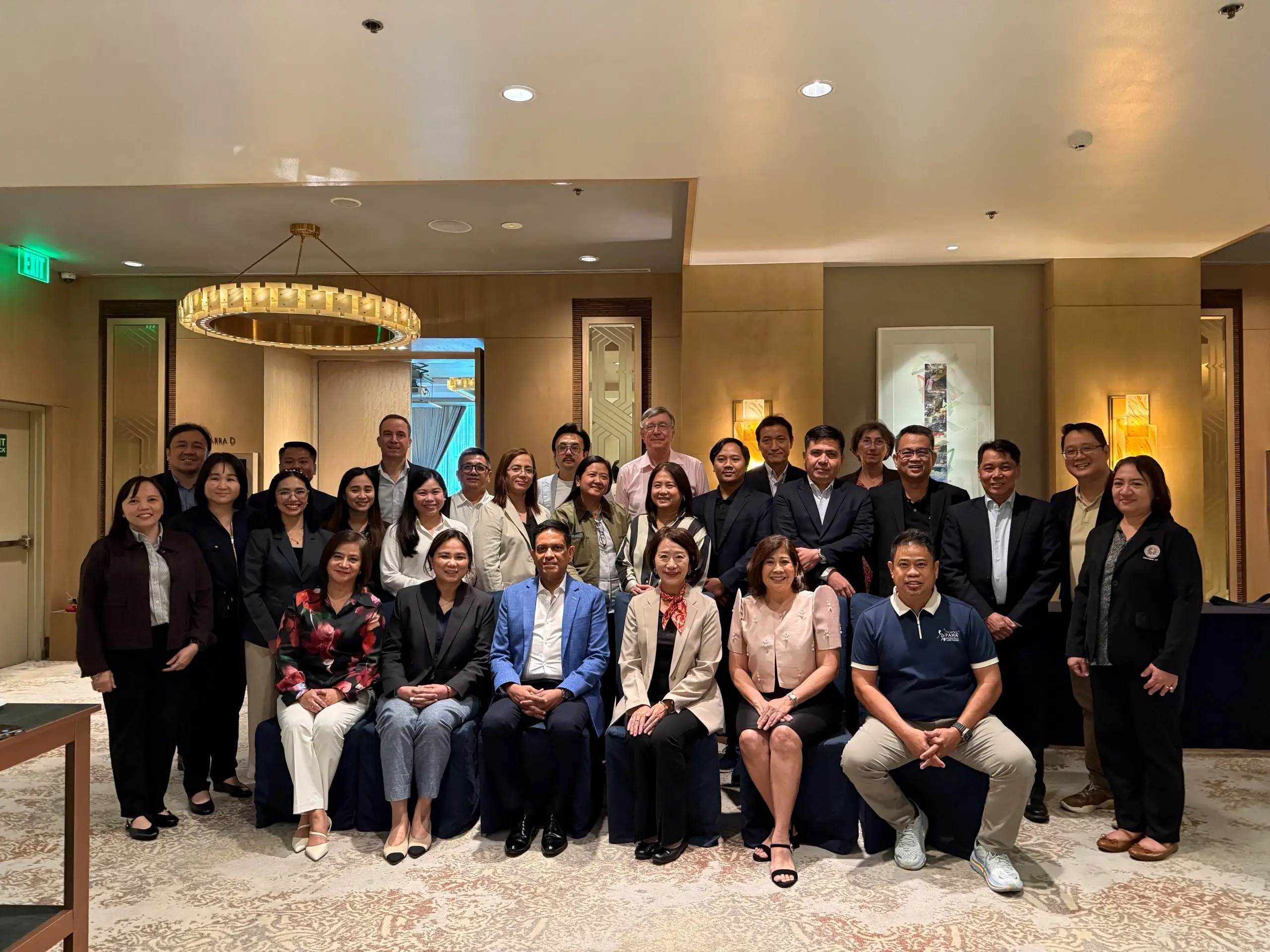
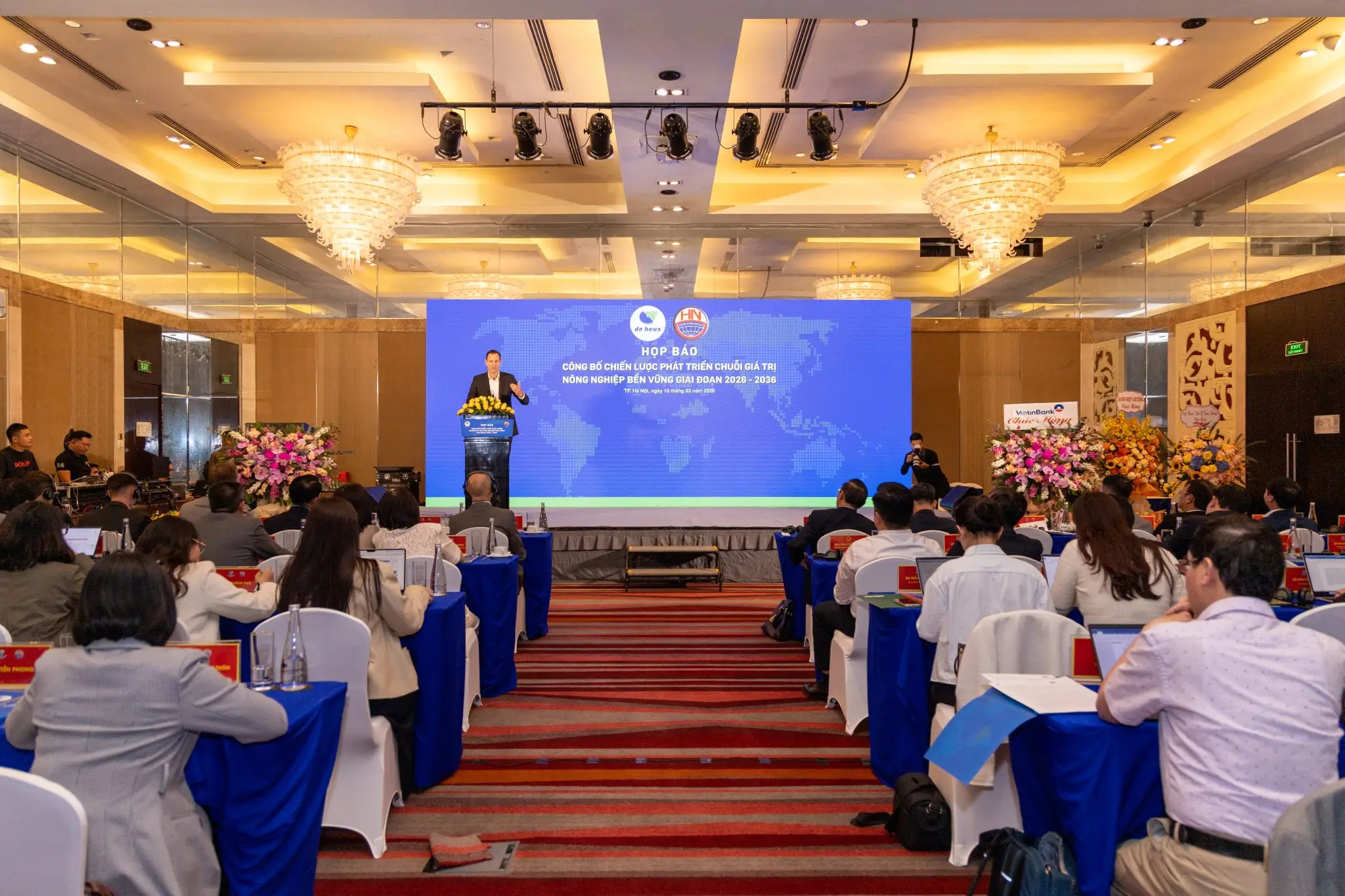
The Asian Animal Health Association (AAHA) held its third Executive Committee meeting of the year in Manila to review its regional strategic priorities on trade and market access, sustainability, innovation, and support for governments in animal disease management across ASEAN and Asia.
The meeting reaffirmed AAHA’s role as a bridge, connecting and sharing global best practices and regulatory benchmarks on animal health with governments, regulatory agencies, livestock producers, and the local industry.
It expressed its interest and commitment to promoting dialogue, sharing best practices, and supporting coordinated, science-based approaches to food safety, security, and public health with all stakeholders in the region.
Discussions at the meeting also covered AAHA’s ongoing regional and in-country initiatives focused on sustainability, policy and regulatory engagement, stakeholder cooperation, one health, innovation and technology, transboundary animal diseases, among other topics.


Dr Wendy Wu, President of AAHA, said, “The Executive Committee meeting reaffirmed AAHA’s strategic focus on trade, market access, sustainability, innovation, and regional disease management as part of our continuing support to governments and industry across ASEAN and Asia.”
The Executive Committee and the General Managers of AAHA companies in the Philippines hosted a working lunch with the Philippine national veterinary, livestock, and feed associations to strengthen engagement and promote industry collaboration.
The participating associations included:
The discussion focused on supporting the implementation of Republic Act No. 12308 and its 180-day transition period, especially the transfer of regulatory authority for veterinary and related products to the Bureau of Animal Industry, Department of Agriculture of the Philippines.
AAHA and the national associations agreed to develop a unified industry approach to present to the Bureau of Animal Industry (BAI), reflecting shared concerns and practical recommendations on regulatory continuity, product registration, local trials, labeling requirements, and business processes during the transition period.
The meeting also highlighted the importance of joint collaboration, coordinated engagement, and the systematic sharing of global best practices among all relevant stakeholders to support a smooth, transparent, and predictable regulatory environment in the Philippines.
It concluded with a mutual commitment to ongoing partnership, regular communication, and closer coordination to enhance the long-term resilience, competitiveness, and sustainability of the regional animal health and livestock sector.
“AAHA will continue to serve as a supportive link between government, regulators, and local industry to facilitate a smooth transition under RA 12308 and enhance the sustainability of the animal health sector in the Philippines,” said Dr Wu at the end of the meeting.
AAHA is an allied industry member association covering Asia and is currently incorporated in Singapore. AAHA was founded 20 years ago, and its strategic goals include promoting fair trade and competition, advancing science-based policymaking, improving regulatory coherence and standards harmonization, and engaging stakeholders on emerging technologies and their regulatory implications. Its members are Boehringer Ingelheim, Ceva, Elanco, MSD, Phibro, Virbac, and Zoetis. AAHA is also a member of Health for Animals, the global animal health association.


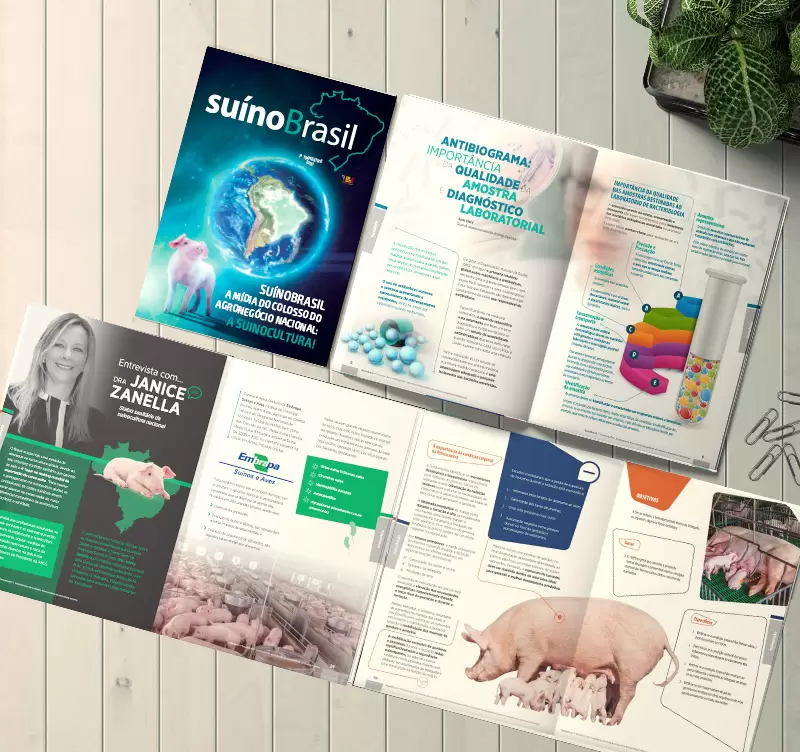
Subscribe now to the technical pig magazine
AUTHORS

Bifet Gracia Farm & Nedap – Automated feeding in swine nurseries

The importance of Water on pig farms
Fernando Laguna Arán
Microbiota & Intestinal Barrier Integrity – Keys to Piglet Health
Alberto Morillo Alujas
Impact of Reducing Antibiotic use, the Dutch experience
Ron Bergevoet
The keys to successful Lactation in hyperprolific sows
Mercedes Sebastián Lafuente
Addressing the challenge of Management in Transition
Víctor Fernández Segundo
Dealing with the rise of Swine Dysentery
Roberto M. C. Guedes
Actinobacillus pleuropneumoniae – What are we dealing with?
Marcelo Gottschalk
The new era of Animal Welfare in Pig Production – Are we ready?
Antonio Velarde
Gut health in piglets – What can we do to measure and improve it?
Alberto Morillo Alujas
Interview with Cristina Massot – Animal Health in Europe after April 2021
Cristina Massot
Differential diagnosis of respiratory processes in pigs
Desirée Martín Jurado Gema Chacón Pérez