


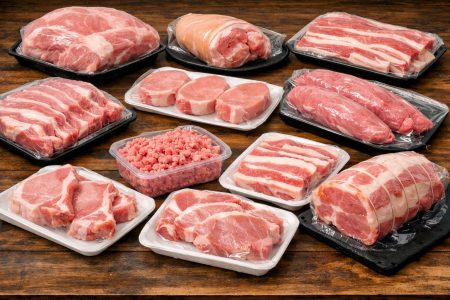
The British Chamber of Commerce Philippines (BCCP) has urged the government to retain current pork import tariffs. The chamber warned that higher duties could push food prices higher. It also said the move could add pressure on consumers as domestic swine production continues to recover from African swine fever (ASF).
The appeal follows the Department of Agriculture’s proposal to gradually increase pork tariffs beginning in 2027. According to BCCP Executive Vice Chairman Chris Nelson, maintaining current rates would help keep prices stable. At the same time, it would help ensure adequate pork supply.
Inflation remains a key concern
Under the proposal, in-quota pork tariffs would rise from 15% to 25% in 2027. The rate would then increase to 30% in 2028. Meanwhile, out-of-quota tariffs would climb from 25% to 35% and later to 40%.
In response, the BCCP has called for existing rates to remain in place through 2028. The chamber said higher tariffs could intensify inflationary pressures. This concern comes as inflation reached 7.2% in September.
Mr Nelson also pointed to broader economic challenges. These include a weakening peso and the prospect of further interest rate hikes. Given these conditions, he said policymakers should carefully assess measures that could affect food prices.
Swine sector still rebuilding
Beyond inflation concerns, the chamber noted that ASF continues to affect the local swine industry. Although recovery efforts are ongoing, herd rebuilding remains a long-term process.
Domestic production has yet to return to previous levels. As a result, imports continue to play an important role in meeting market demand. The BCCP said current tariff rates help support market stability while producers rebuild capacity.
The chamber also took part in the Tariff Commission’s public hearing on the proposed tariff modification on swine meat. There, it echoed industry concerns over the possible impact of higher duties on supply and consumer prices.
UK trade supports supply
At the same time, the BCCP highlighted growing agricultural cooperation between the United Kingdom and the Philippines. Recent discussions covered agricultural trade, food safety, animal and plant health, biotechnology, aquaculture, and climate-resilient agriculture.
Trade between the two countries has continued to expand. From January to July 2026, UK pig meat exports to the Philippines reached 12,139 tons. During the same period, beef exports totaled 382 tons.
Mr Nelson said the chamber remains committed to building long-term trade partnerships. He added that stronger trade ties can support reliable supply and broader food security goals in the Philippines.