


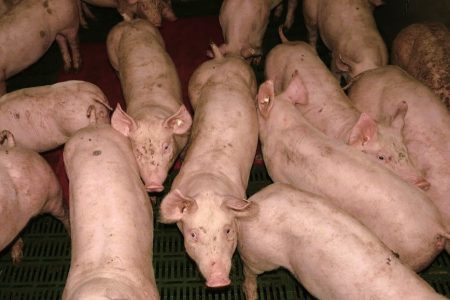
South Korea is facing renewed debate over the use of food-waste feed in pig production as supplies have risen sharply since authorities lifted a previous ban. The increase has triggered concerns about African swine fever (ASF) risks and prompted calls for tighter regulations.
According to a report by The Herald Business, the volume of food-waste feed supplied to pig farms has almost tripled in less than two years. The development has drawn attention from lawmakers and animal health advocates, who warn that broader use of such feed could complicate disease prevention efforts.
Food-waste feed makes a comeback
National audit data submitted by South Korea’s Ministry of Agriculture, Food and Rural Affairs showed a significant increase in food-waste feed use since late 2024.
The supply of food-waste feed for pig farms rose 165.3%, from 66.5 tons in December 2024 to 176.4 tons at the end of August 2026. Over the same period, the number of farms using the feed increased from five to 18.
The pig population receiving food-waste feed also expanded sharply. Numbers climbed from 9279 animals to 22,204, marking a 2.4-fold increase. By the end of 2025, 14 farms were already feeding food-waste products to 19,004 pigs.
The growth followed a policy change implemented in October 2024. Authorities had banned the use of food-waste feed after ASF was first detected in South Korea in September 2019. The government later allowed its use under specific conditions, citing feed conversion guidelines and biosecurity management standards.
Rising use revives ASF concerns
Lawmaker Song Ok-ju has raised concerns that expanding food-waste feed use could increase pressure on ASF control efforts.
She warned that feed previously consumed at dog-meat farms could be redirected to pig farms after South Korea’s ban on dog consumption takes effect in February 2027. In her view, that shift could result in even greater use of food-waste feed across the swine sector.
Ms Song also pointed to the location history of farms currently using the feed. According to the audit data, all 18 farms had at some point been situated within movement-restriction zones established following ASF outbreaks during the past two years.
For that reason, she argued that safety inspections should extend beyond farms using food-waste feed. She urged authorities to include all 70 food-waste feed manufacturers operating nationwide.
Regulation moves back into focus
The issue has also sparked discussion about whether food-waste feed should be prohibited entirely.
Ms Song noted that Taiwan plans to ban the practice beginning next year following its ASF outbreak, while the European Union restricts the use of food-waste feed for livestock, including pigs.
On October 1, she introduced amendments to the Feed Management Act that would prohibit the manufacture, import, sale and use of feed made from food scraps. The proposal would also ban feed containing protein derived from the same species as the animal being fed, with limited exceptions.
Ms Song said renewed use of food-waste feed could raise concerns about disease transmission, livestock product quality and unfair low-cost competition. She called for stronger biosecurity controls that begin at the feed manufacturing stage rather than focusing only on farms.
The proposed legislation would effectively reverse the policy adopted in 2024 that allowed food-waste feed to return under specific conditions. As lawmakers review the proposal, the debate continues over whether existing safeguards are sufficient to manage ASF risks associated with the practice.