




Despite mounting disease challenges, Vietnam’s livestock industry continues to anchor Hanoi’s agriculture, contributing over 60% of the sector’s total production value.
To address illegal backyard slaughtering and mitigate disease transmission risks, the city is aggressively implementing a restructuring roadmap aimed at food safety and sustainable development.
Disease risks and structural challenges
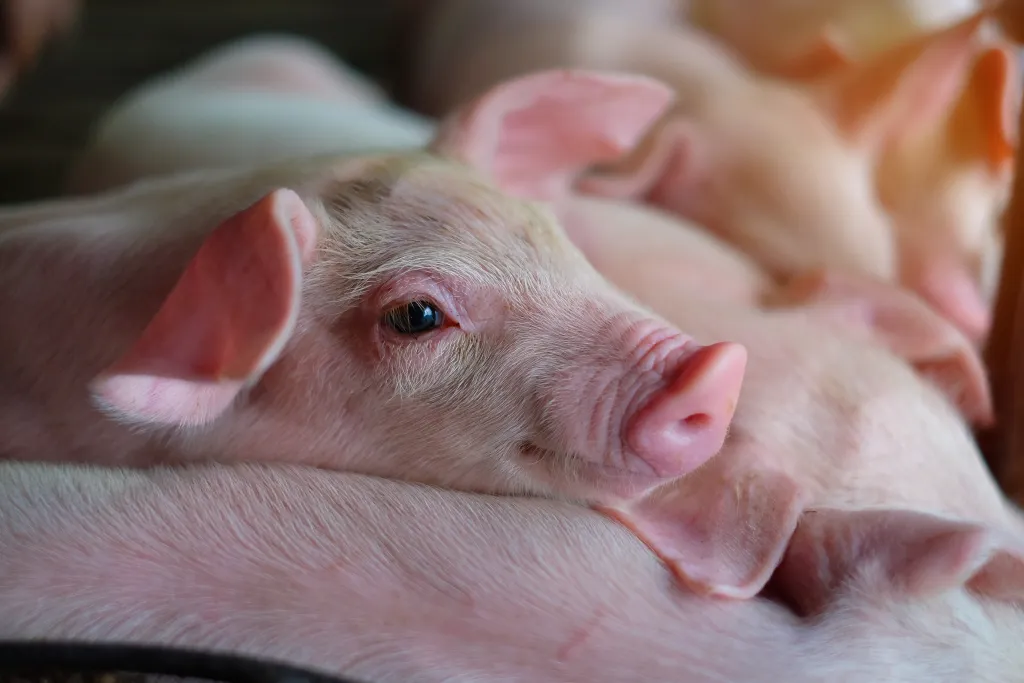
Hanoi remains one of Vietnam’s largest livestock hubs, with about 1.24 million pigs and tens of thousands of cattle as of February 2026. Yet high stocking density brings complex epidemiological risks:
- ✅ Persistent disease outbreaks: From mid-2025 to early 2026, African swine fever and avian influenza forced the culling of tens of thousands of animals.
- ✅ Rabies risk: In early 2026 alone, the city handled multiple rabies outbreaks, posing threats to public health.
- ✅ Fragmented slaughter system: The city still has nearly 650 small-scale slaughter facilities, most of which fail to meet hygiene and environmental standards.
Roadmap for safer production
To address these vulnerabilities, the Hanoi People’s Committee has outlined a restructuring plan. Currently, only about 65% of the city’s commercial meat supply is under official control.