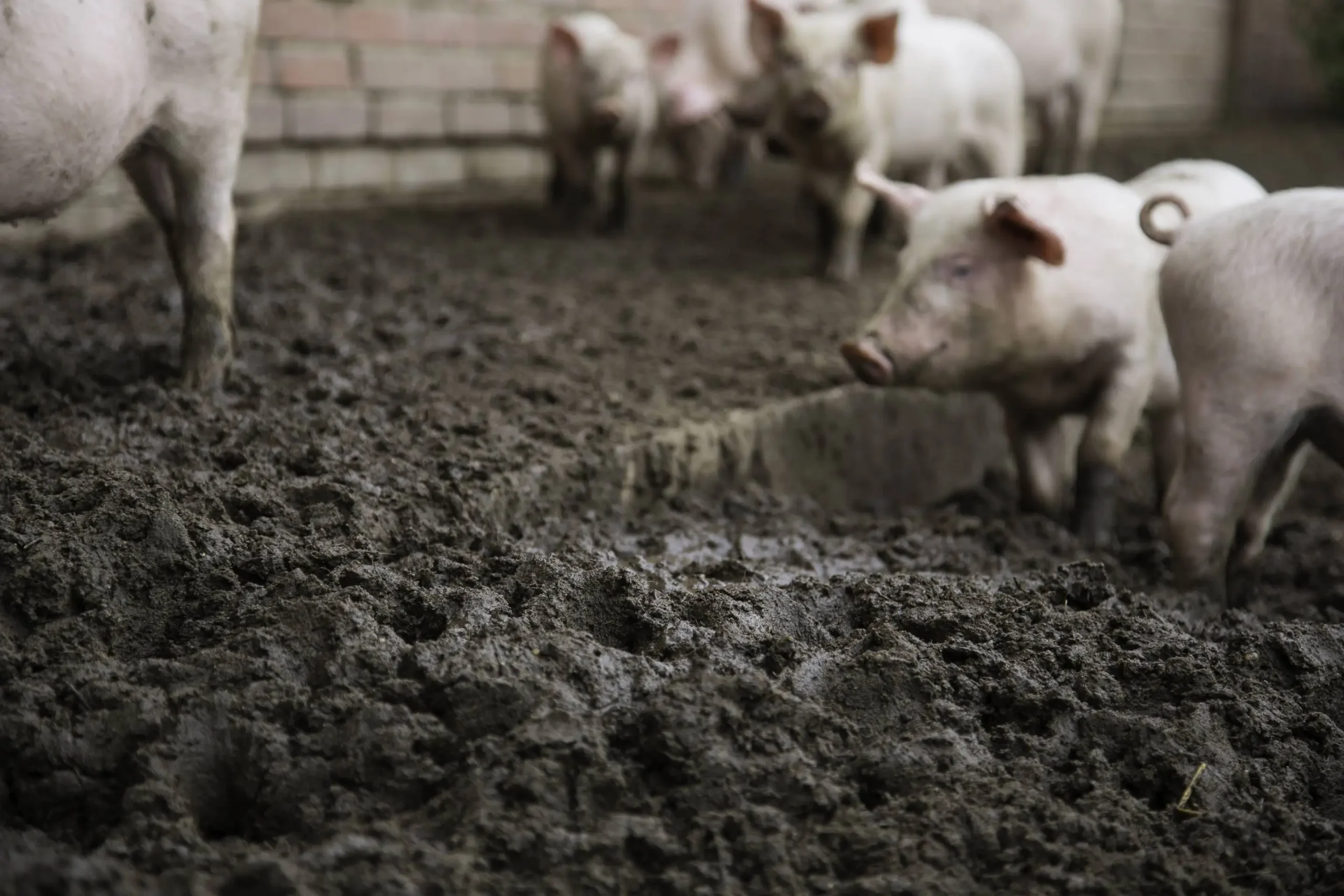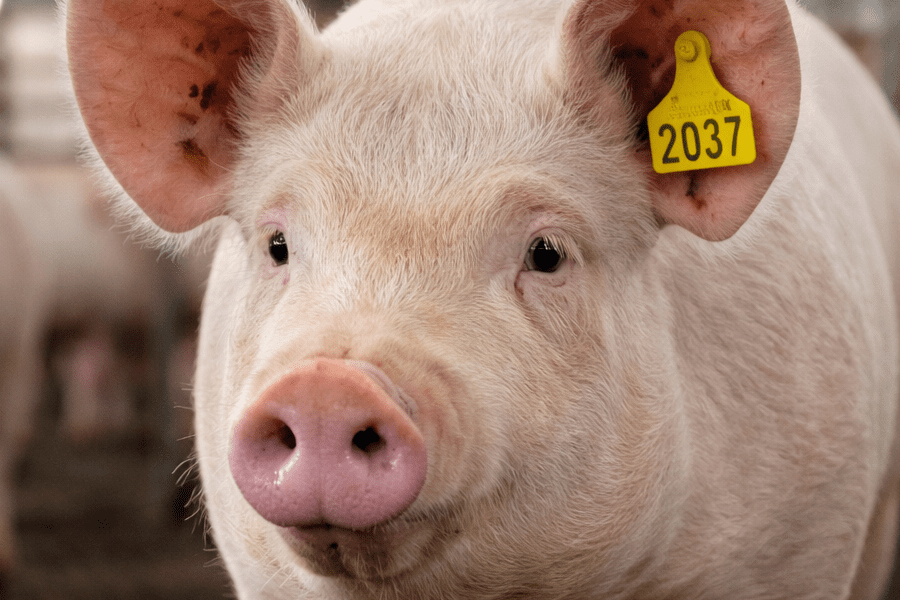
Concerns are raised that pigs, once key intermediaries in Nipah spread, could again pose risks if the virus reaches livestock populations.

Indian authorities have confirmed five Nipah virus cases in West Bengal, prompting preventive isolation of nearly a hundred people.
The outbreak has revived regional alarm over one of the deadliest pathogens, with mortality rates reaching 75% and no available vaccine or treatment.
Pigs as silent amplifiers
Nipah was first identified in Malaysia and Singapore in 1998, in outbreaks directly linked to pig farms. Fruit bats are the natural reservoir, but pigs have acted as intermediate hosts, amplifying transmission to humans.


The crisis in Malaysia forced the culling of over one million pigs, devastating the local pig industry.
Key points from past outbreaks:
|
Pig industry at risk again
Although the West Bengal outbreak has not yet been linked to pigs, experts warn of the potential risk if the virus reaches pig farms.
Pig populations can facilitate silent spread, increasing the danger for farm workers and rural communities. This concern is heightened by India’s dense population and reliance on livestock for food and trade.
A deadly virus
The World Health Organization has listed Nipah among its top ten priority diseases, alongside Covid-19 and Zika, due to epidemic potential.
The incubation period ranges from four to 14 days, complicating detection and containment. People infected may show a wide range of symptoms, or sometimes none at all.
Initial symptoms include:
To date, no drugs of vaccines have been approved to treat Nipah, leaving prevention and surveillance as the only defenses.
Regional vigilance
Following India’s confirmation, neighboring countries are tightening controls. Thailand has begun health checks on Indian passengers, while Nepal raised its alert level.
South Korea classified Nipah as a first-level infectious disease, requiring immediate notification and isolation.
China’s experts have urged stronger quarantine measures for travelers from India.
The memory of pig-related outbreaks in Southeast Asia continues to shape regional preparedness. Authorities stress that surveillance of both bats and pigs remains essential to prevent another livestock-driven crisis.


Subscribe now to the technical pig magazine
AUTHORS

Bifet Gracia Farm & Nedap – Automated feeding in swine nurseries

The importance of Water on pig farms
Fernando Laguna Arán
Microbiota & Intestinal Barrier Integrity – Keys to Piglet Health
Alberto Morillo Alujas
Impact of Reducing Antibiotic use, the Dutch experience
Ron Bergevoet
The keys to successful Lactation in hyperprolific sows
Mercedes Sebastián Lafuente
Addressing the challenge of Management in Transition
Víctor Fernández Segundo
Dealing with the rise of Swine Dysentery
Roberto M. C. Guedes
Actinobacillus pleuropneumoniae – What are we dealing with?
Marcelo Gottschalk
The new era of Animal Welfare in Pig Production – Are we ready?
Antonio Velarde
Gut health in piglets – What can we do to measure and improve it?
Alberto Morillo Alujas
Interview with Cristina Massot – Animal Health in Europe after April 2021
Cristina Massot
Differential diagnosis of respiratory processes in pigs
Desirée Martín Jurado Gema Chacón Pérez