



Chan Foong Hin

Regional outbreaks and feed price surges underscore why the country’s modernization and local feed cultivation are vital for achieving food security goals.

Malaysia has set a goal of achieving 90% pork self-sufficiency by 2030, strengthening food security and reducing reliance on imports, reported Bernama, the country’s national news agency.
Deputy Minister of Agriculture and Food Security Chan Foong Hin noted that Malaysia’s pork self-sufficiency rate stood at 67.8% in 2024. The government aims to raise this figure to 90% by 2030.
Chan Foong Hin


Mr Chan explained that domestic demand still depends partly on imports. To address this, several measures are underway:
In 2025, the average farm-gate price of live pigs was around USD 4.16/kg.
Malaysia’s target reflects wider Asian challenges. Neighboring countries are also grappling with disease outbreaks, feed costs, and modernization pressures.
Vietnam is reforming its livestock systems while facing persistent disease risks. South Korea has recently dealt with three simultaneous livestock disease outbreaks, underscoring the vulnerability of supply chains. Meanwhile, the Philippines is tightening import rules, raising concerns about higher meat prices. .
These regional developments highlight why Malaysia’s emphasis on disease control and modern farming systems is both timely and necessary.
The government plans to encourage large-scale grain corn cultivation. This initiative aims to cut 30% of imported corn dependence by 2040.
This initiative is reinforced by regional struggles. In northern Vietnam, feed prices have surged, placing heavy strain on producers. At the same time, multi-mycotoxin contamination continues to pose a global feed risk, affecting livestock industries across Asia.
This initiative is reinforced by regional struggles. In northern Vietnam, feed prices have surged, placing heavy strain on producers. At the same time, multi-mycotoxin contamination continues to pose a global feed risk, affecting livestock industries across Asia.
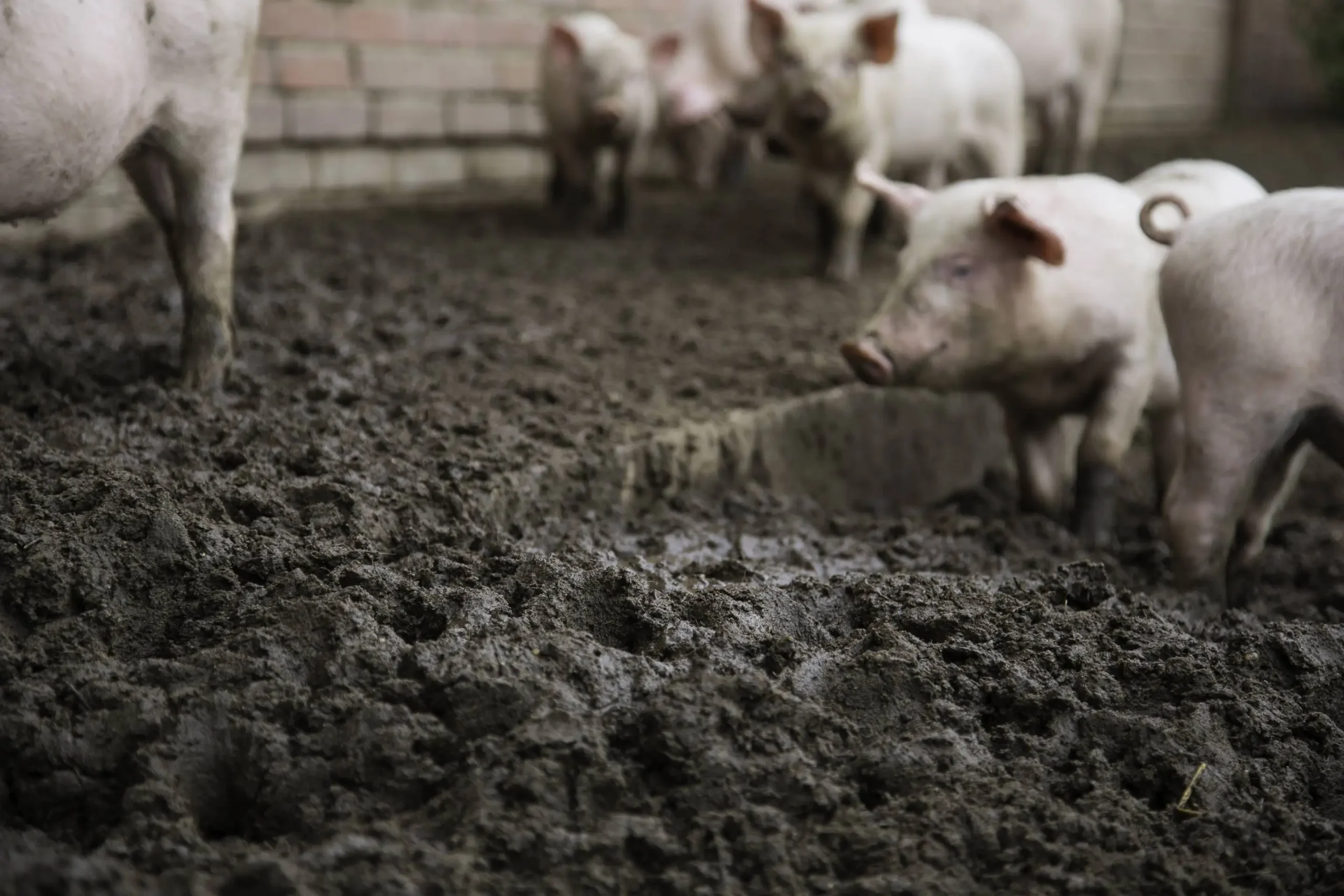
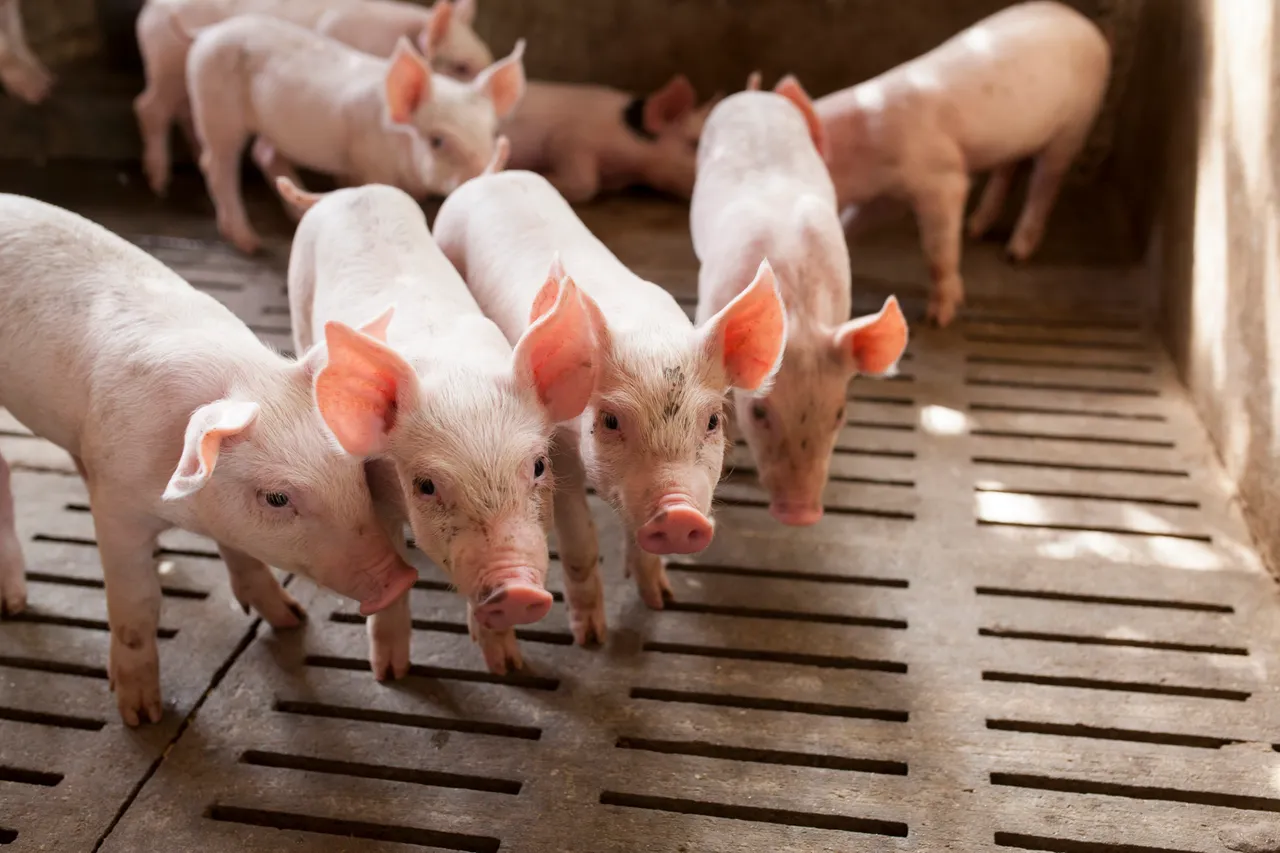
Malaysia is promoting the transformation of pig farming towards modern systems. The Closed House System improves disease control and reduces environmental pollution.
Farmers who convert open farms into closed systems are eligible for tax incentives. These include accelerated capital allowance as well as income tax exemptions available from 2023 to 2027.
Modern technologies are also being introduced. Biogas plants that process livestock waste can mitigate odor and environmental impact. One such facility has been implemented in Kampung Selamat, Penang.
These efforts align with regional modernization trends, including precision feeding models and sustainable waste management practices.
In Sarawak, a Pig Farming Area (PFA) has been established. The government plans to expand to three additional areas, further strengthening industry development.
Mr Chan added that Malaysia is open to studying international modern farming models to enhance local practices.

Subscribe now to the technical pig magazine
AUTHORS

Bifet Gracia Farm & Nedap – Automated feeding in swine nurseries

The importance of Water on pig farms
Fernando Laguna Arán
Microbiota & Intestinal Barrier Integrity – Keys to Piglet Health
Alberto Morillo Alujas
Impact of Reducing Antibiotic use, the Dutch experience
Ron Bergevoet
The keys to successful Lactation in hyperprolific sows
Mercedes Sebastián Lafuente
Addressing the challenge of Management in Transition
Víctor Fernández Segundo
Dealing with the rise of Swine Dysentery
Roberto M. C. Guedes
Actinobacillus pleuropneumoniae – What are we dealing with?
Marcelo Gottschalk
The new era of Animal Welfare in Pig Production – Are we ready?
Antonio Velarde
Gut health in piglets – What can we do to measure and improve it?
Alberto Morillo Alujas
Interview with Cristina Massot – Animal Health in Europe after April 2021
Cristina Massot
Differential diagnosis of respiratory processes in pigs
Desirée Martín Jurado Gema Chacón Pérez