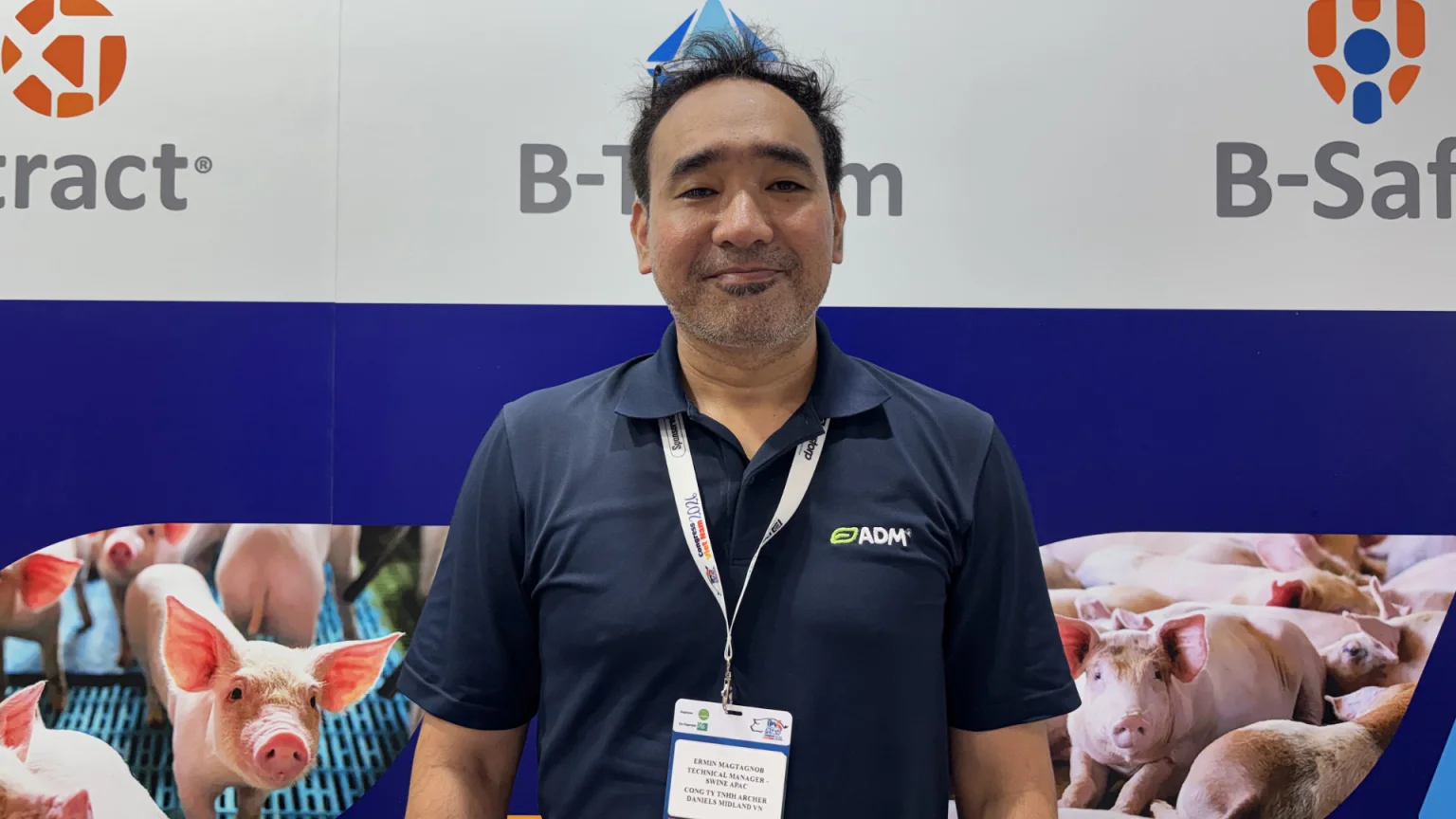
Government-led programs and rising biosecurity needs are fueling growth in the Philippine animal vaccines market, with demand set to rise nationwide.





The Philippines’ animal vaccines market is projected to grow from USD 304.62 million in 2025 to USD 537.31 million by 2034, driven by livestock expansion, government programs, and rising preventive care adoption. According to IMARC Group’s latest research report, this growth reflects stronger disease control initiatives, rising pet ownership, and expanding local manufacturing capacity.
The Philippines animal vaccines market is expected to expand at a compound annual growth rate (CAGR) of 6.51% between 2026 and 2034.
This growth reflects stronger government-led disease control initiatives and increasing awareness among farmers about preventive veterinary care. Rising pet ownership also contributes to demand, alongside investments in research and development infrastructure that strengthen biosecurity.
Several factors underpin this growth trajectory:


Product type, animal type, and administration route divide the market into clear segments:
Regional insights show growth opportunities across Luzon, Visayas, and Mindanao, reflecting the nationwide demand for vaccination programs.
Artificial intelligence (AI) is gradually being integrated into vaccine development. AI-driven epitope prediction and antigen optimization can shorten development timelines. Machine learning also enhances disease surveillance and outbreak prediction, supporting proactive biosecurity measures.
Regulatory frameworks and rising biosecurity requirements position the Philippines animal vaccines market for sustained growth. Expansion of commercial livestock farming and the development of local manufacturing capabilities will ensure vaccines remain accessible and affordable. This trajectory underscores the country’s commitment to food security, animal health, and economic resilience.




Subscribe now to the technical pig magazine
AUTHORS

Bifet Gracia Farm & Nedap – Automated feeding in swine nurseries

The importance of Water on pig farms
Fernando Laguna Arán
Microbiota & Intestinal Barrier Integrity – Keys to Piglet Health
Alberto Morillo Alujas
Impact of Reducing Antibiotic use, the Dutch experience
Ron Bergevoet
The keys to successful Lactation in hyperprolific sows
Mercedes Sebastián Lafuente
Addressing the challenge of Management in Transition
Víctor Fernández Segundo
Dealing with the rise of Swine Dysentery
Roberto M. C. Guedes
Actinobacillus pleuropneumoniae – What are we dealing with?
Marcelo Gottschalk
The new era of Animal Welfare in Pig Production – Are we ready?
Antonio Velarde
Gut health in piglets – What can we do to measure and improve it?
Alberto Morillo Alujas
Interview with Cristina Massot – Animal Health in Europe after April 2021
Cristina Massot
Differential diagnosis of respiratory processes in pigs
Desirée Martín Jurado Gema Chacón Pérez