


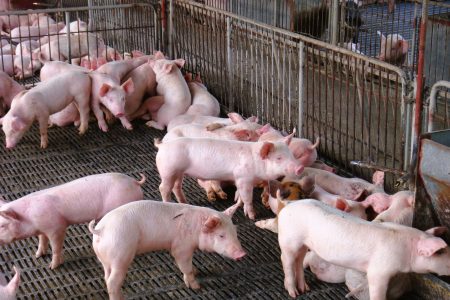
The provincial government of Abra in the Philippines is targeting African swine fever (ASF) free status by the end of 2026, with zero cases recorded since January and no cases in the last six months of 2025.
Paul Joseph Abaya, provincial veterinarian of Abra, said ASF disease surveillance was conducted in different municipalities, with six municipalities in the red category lowered to pink in April. Results are still awaited for six other municipalities where surveillance was conducted.
“Hopefully by the end of this year, Abra will already be under the yellow zone,” Dr Abaya said.
As protective measures, checkpoints ensure live animals entering the province pass ASF-free requirements. Entry of fresh, frozen, and processed meats also requires proper documentation and approvals from the Food and Drugs Administration.
Animal raisers are constantly reminded to observe biosecurity.
“No one will protect the farm except the owner; they are the ones primarily responsible for that,” Dr Abaya said, adding that raisers are encouraged to plant forage like madre de agua as alternative to swill feeding.
Integrated National Swine Production Initiative for Recovery and Expansion (INSPIRE)
Meanwhile, the Cosili Bangued Abra Farmers Association Inc, with 147 members, received around USD 81,000 worth of assistance from the Department of Agriculture-Cordillera’s Integrated National Swine Production Initiative for Recovery and Expansion (INSPIRE).
Association President Allane Balubar said they are strict with biosecurity, allowing only two people to enter animal cages for feeding and cleaning. They are currently on their second cycle raising 100 swine heads.
“We are strict with biosecurity because we do not want the assistance to be lost. We have committed to grow the animals so that we can grow the money and raise the USD 81,000 capital invested by the government in this project,” Mr Balubar said.
Under INSPIRE, beneficiaries are given three years to raise the capital provided by the government.
“It is a grant because once they raise the amount from their animal raising activity, they can keep the fund which they can continue to use to expand for bigger income,” said Jayvee Canor, Livestock Program Coordinator at the Philippines’ Department of Agriculture.
Aside from INSPIRE, the the Philippines’ Department of Agriculture also has the Livestock-based Economic Enterprise Development (LEED) program to empower farmers and cooperatives by elevating small-scale animal production into sustainable, profitable business operations.