New large-scale pig farming projects and strict biosecurity measures are driving Gia Lai’s rapid livestock growth into 2026.

Gia Lai province has recorded strong growth in its pig population despite African swine fever outbreaks and severe storms in late 2025, according to a report by Vietnam.vn.
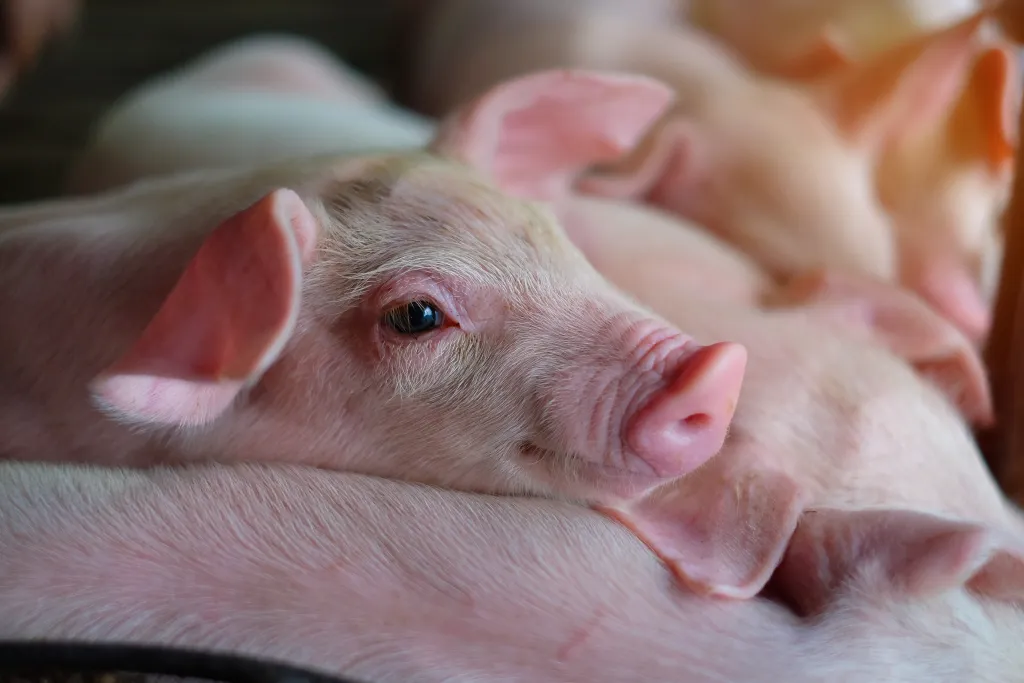
By January 2026, the pig herd reached nearly 1.7 million, an increase of 203,949 pigs, or 13.8% compared to the previous year. This expansion reflects both resilience and investment in livestock development.
Expansion of pig farming projects
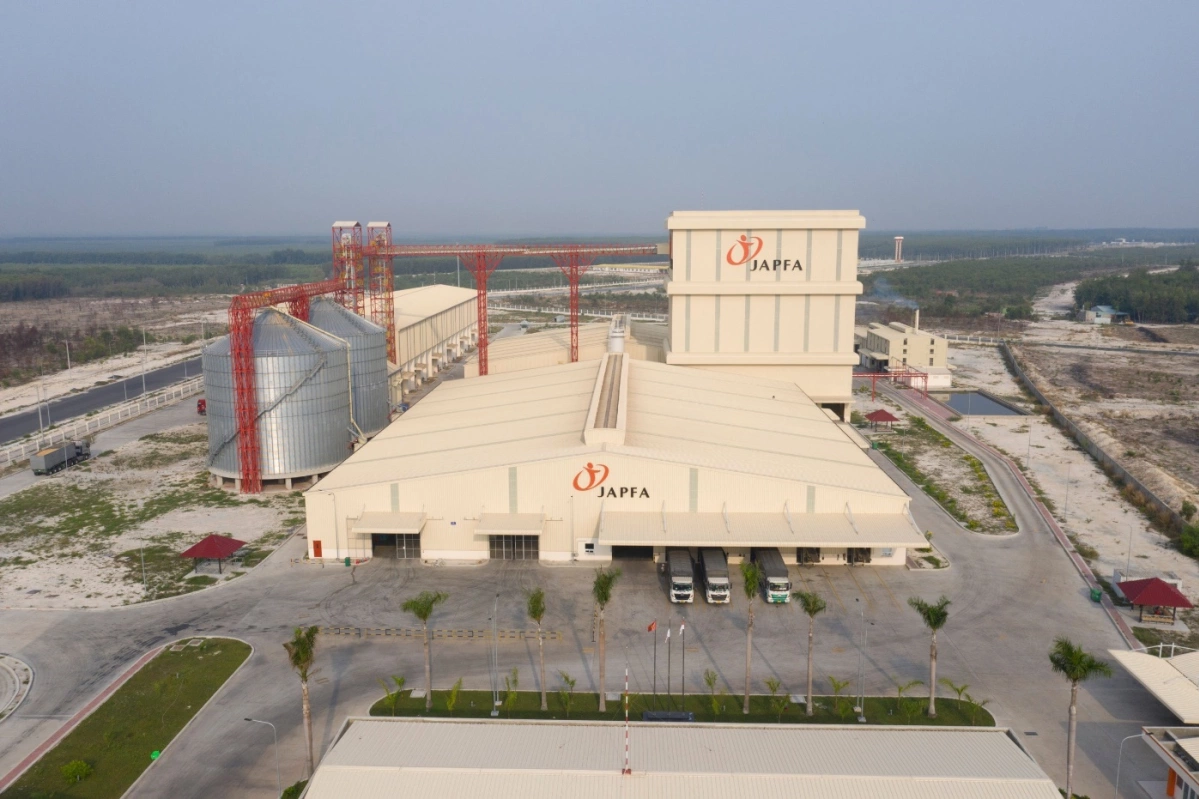
The rapid growth is driven by new farming projects. Gia Lai currently hosts 245 livestock projects, mostly focused on pigs. Twelve new projects began in 2025, each housing 15,000-40,000 pigs per batch.

Commercial farms sell two batches annually, accelerating herd growth. In 2026, 24–26 new projects are expected to start, further boosting livestock numbers. Western Gia Lai is prioritized for large-scale pig farming, while eastern areas remain dominated by small household farms.
This expansion sets the stage for broader livestock trends across the province.
Shifts in livestock populations
Buffalo numbers declined to 26,709, down 804 animals or 2.9%. Farmers cited low commercial returns and shrinking grazing areas as key reasons.
Cattle herds rose to 739,817, an increase of 13,964 animals or 1.8%. Poultry also expanded, reaching nearly 18.5 million birds, up 1.4 million.
Meat output reflected these changes:
Disease outbreaks and natural disasters
African swine fever struck Gia Lai in mid-2025, causing 26 outbreaks and losses of over 1600 pigs. Neighboring provinces lost tens of thousands, while nationwide losses exceeded two million pigs. Gia Lai’s impact was relatively small.
Authorities culled infected pigs and launched province-wide disinfection campaigns in December 2025. Farmers were guided to adopt biosecurity measures.
Storms and floods in November 2025 mainly damaged poultry farms. Pig herds in eastern communes such as Hoai An and An Nhon suffered minimal losses, reinforcing the sector’s resilience.
Investment and certification
Gia Lai has 151 approved livestock projects, with 54 already operating. By 2026, more projects will expand the herd further.
The province counts 790 farms of varying sizes, many applying biosafety and high-tech processes.
Certification highlights include:
These certifications strengthen consumer confidence and support sustainable growth.
Future growth and strategic direction
Despite disease outbreaks and natural disasters, Gia Lai’s pig industry continues to grow. Authorities expect further expansion in 2026 with new projects and stronger biosecurity. Despite disease outbreaks and natural disasters, Gia Lai’s pig industry continues to grow. Authorities expect further expansion in 2026 with new projects and stronger biosecurity.
The province plans to concentrate large-scale pig farming in western Gia Lai, where space and infrastructure allow for sustainable development. With investment momentum and disease control measures in place, livestock growth is projected to remain strong.


Subscribe now to the technical pig magazine
AUTHORS

Bifet Gracia Farm & Nedap – Automated feeding in swine nurseries

The importance of Water on pig farms
Fernando Laguna Arán
Microbiota & Intestinal Barrier Integrity – Keys to Piglet Health
Alberto Morillo Alujas
Impact of Reducing Antibiotic use, the Dutch experience
Ron Bergevoet
The keys to successful Lactation in hyperprolific sows
Mercedes Sebastián Lafuente
Addressing the challenge of Management in Transition
Víctor Fernández Segundo
Dealing with the rise of Swine Dysentery
Roberto M. C. Guedes
Actinobacillus pleuropneumoniae – What are we dealing with?
Marcelo Gottschalk
The new era of Animal Welfare in Pig Production – Are we ready?
Antonio Velarde
Gut health in piglets – What can we do to measure and improve it?
Alberto Morillo Alujas
Interview with Cristina Massot – Animal Health in Europe after April 2021
Cristina Massot
Differential diagnosis of respiratory processes in pigs
Desirée Martín Jurado Gema Chacón Pérez