


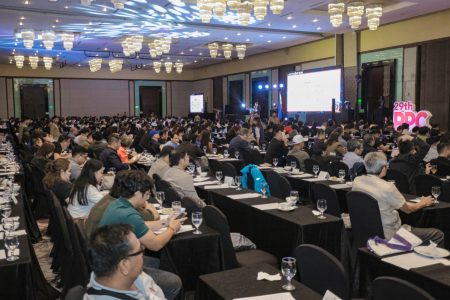
The Philippine swine industry continues to face tight supply, rising imports, African swine fever (ASF) pressure, and volatile costs. Yet demand for pork remains strong, and modernization opportunities exist. It is against this backdrop that the Pinoy Pork Challenge (PPC) frames its 30th edition under the theme ‘Kaligtasan, Kumpiyansa, Kita’ (Safety, Confidence, Profit).
The annual event, organized by the Philippine College of Swine Practitioners (PCSP), will run on October 7, 2026 in Makati City. The conference will highlight the priorities that producers say must guide the industry forward. ‘Kaligtasan’ underscores the ongoing disease and food safety challenges. ‘Kumpiyansa’ addresses the confidence gap that often leaves local pork seen as risky or inferior. ‘Kita’ reflects the economic reality: without profitability, no solution will last.


Photo credit: PCSP
Lessons carried forward
Since its inception, PPC has aimed to bring technical knowledge closer to the needs of Philippine swine producers. This year, the event balances technical depth with practical application. Sessions span disease management, nutrition, reproduction, diagnostics, immunization, and profitability.
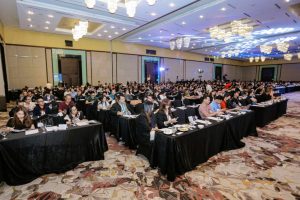
Photo credit: PCSP
The program reflects a key lesson: no single solution exists. Health, nutrition, genetics, management, and economics must work together. Q&A portions and critical‑thinking sessions encourage participants to ask questions, compare experiences, and apply lessons to their own operations.
Advancing herd health and innovation
This year’s program is structured to mirror the theme. Morning sessions focus on safety and confidence, covering endemic PRRSV, PRRS‑resistant pigs, protein efficiency, sow productivity, and offspring robustness. Afternoon sessions shift to profitability, tackling PCV2 process, finishing feed efficiency, predictable piglet performance, functional additives, diagnostics, biosecurity, vaccine development, and gut resilience. The PCSP told porcinews Asia that the topics are interconnected, all returning to the central question: how to keep pigs healthy and productive while improving farm decisions.
Several innovations will be highlighted. These include CD163‑edited PRRS‑resistant pigs, new PRRS management approaches, and next‑generation vaccine designs aimed at easier administration and stronger outbreak preparedness. Practical topics also feature prominently, such as corn protein concentrate for efficiency, strategies for consistent piglet growth, and litter performance improvements. Sessions on diagnostics, functional additives, gut resilience, and immune readiness round out a comprehensive approach to herd health and farm performance.
Building confidence and profitability
The organizers stress that food safety begins with healthy pigs and sound management, long before processing. Sessions on PRRS, PCV2d, Mycoplasma hyopneumoniae, diagnostics, and biosecurity reinforce this foundation. The conference promotes disease prevention as a system, not a response to isolated problems. Better monitoring, earlier diagnosis, vaccination programs, and stronger biosecurity can reduce risks across the production chain.
Trust depends on confidence in production systems. Disease control, diagnostics, vaccination, reproductive performance, and consistent piglet growth all contribute. When producers manage these areas effectively, they deliver healthier, more predictable animals. That reliability supports the quality of local pork and strengthens consumer confidence.
Collaboration today, impact tomorrow
PCSP believes PPC can help position Philippine pork more strongly in regional markets, though progress begins at home. Healthier herds, consistent production, better biosecurity, and stronger technical decision‑making are prerequisites. While the PPC cannot solve market access alone, it can help align local production with regional standards. Safe, consistent, and competitively priced pork strengthens the local market and opens regional opportunities.
Expected attendees include swine practitioners, veterinarians, producers, farm managers, integrators, feed specialists, animal health companies, genetics providers, and researchers. Each group gains differently: practitioners receive updated technical knowledge, producers explore efficiency improvements, and industry partners better understand field concerns. Collaboration is encouraged through shared sessions, sponsor interactions, Q&A portions, and informal exchanges during breaks and dinner.

Photo credit: PCSP
PCSP envisions PPC’s long‑term value in keeping the industry connected and technically engaged. Each edition allows practitioners and producers to review changes, successes, and challenges. The aim is for participants to leave with better questions, clearer priorities, and practical ideas.
Over time, the conference can contribute to a more capable, resilient, and profitable swine industry. Looking ahead, PPC may evolve into a broader platform for innovation and advocacy in the agrifood sector. Its strength lies in technical focus and responsiveness to industry needs. By combining science, farm experience, business realities, and policy discussions, PPC can continue guiding the Philippine pork industry forward.
Click here to register for the event.