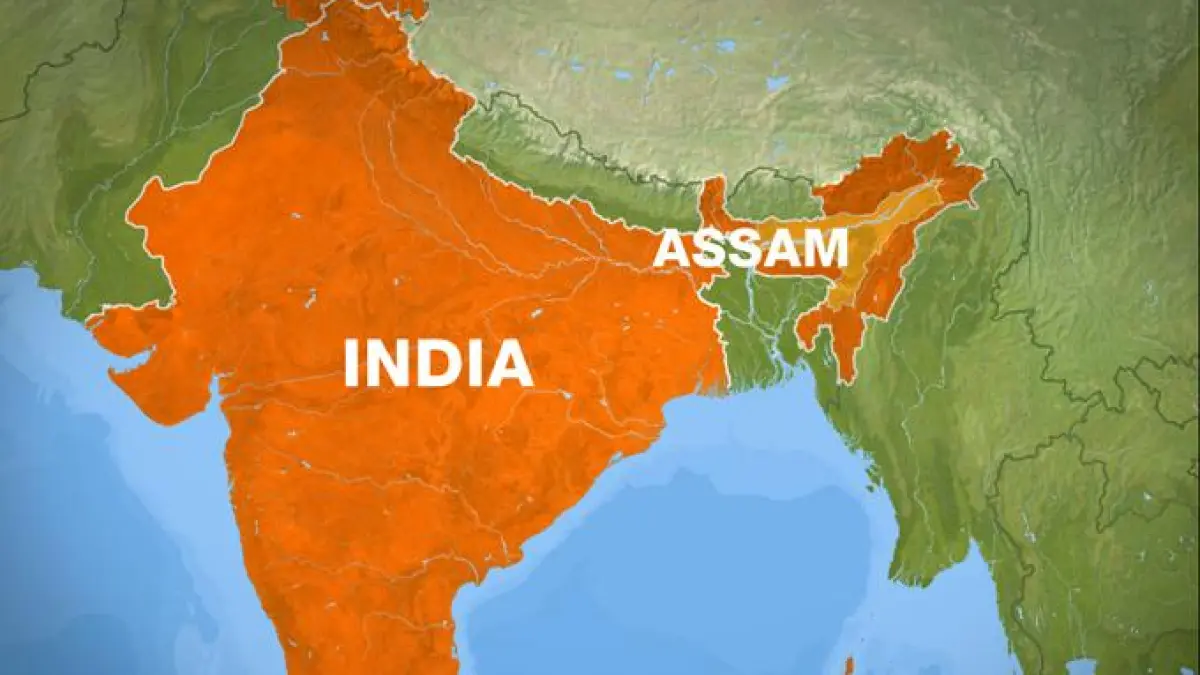
A regional workshop in Colombo urged stronger cooperation, technology investment, and unified strategies to combat transboundary animal diseases threatening South Asia’s livestock.

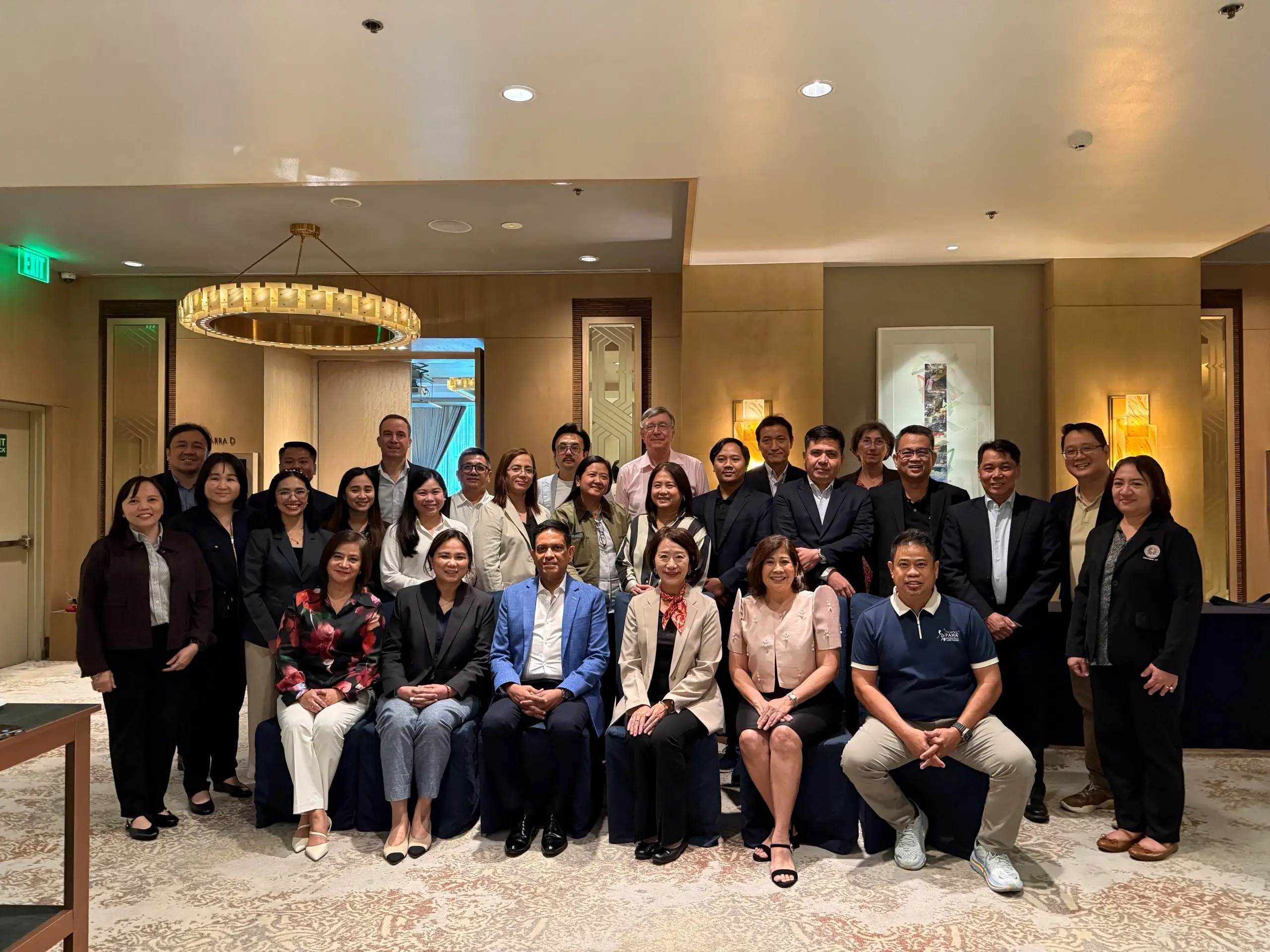
A two-day regional workshop on ‘Assessing Impact of Transboundary Animal Diseases in South Asia’, followed by the SAARC (South Asian Association for Regional Cooperation) Chief Veterinary Officers Forum Meeting, was held recently in Colombo, Sri Lanka.
Jointly organized by the SAARC Agriculture Center (SAC) in Dhaka and the Department of Animal Production and Health (DAPH) of Sri Lanka, the event aimed to strengthen regional coordination and assess the growing threat of transboundary animal diseases (TADs). These diseases continue to undermine livestock productivity, food security, and rural livelihoods in South Asia.
The program began with an overview presentation by Dr Md Younus Ali, Senior Program Specialist (Livestock) at SAC. He highlighted the economic and social consequences of TADs and emphasized that regional disease surveillance, joint research, and rapid response mechanisms are essential to safeguard livestock-dependent communities.
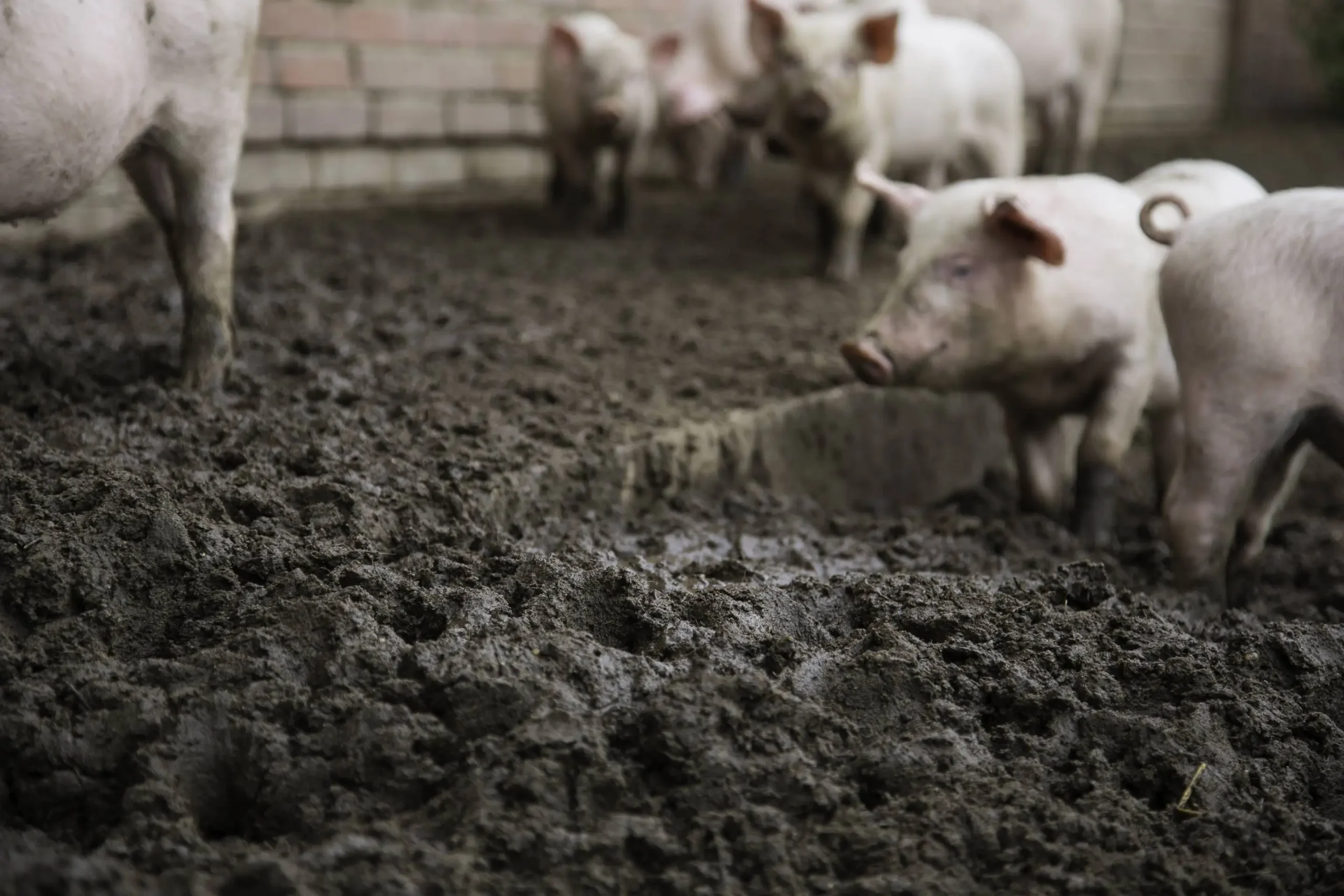
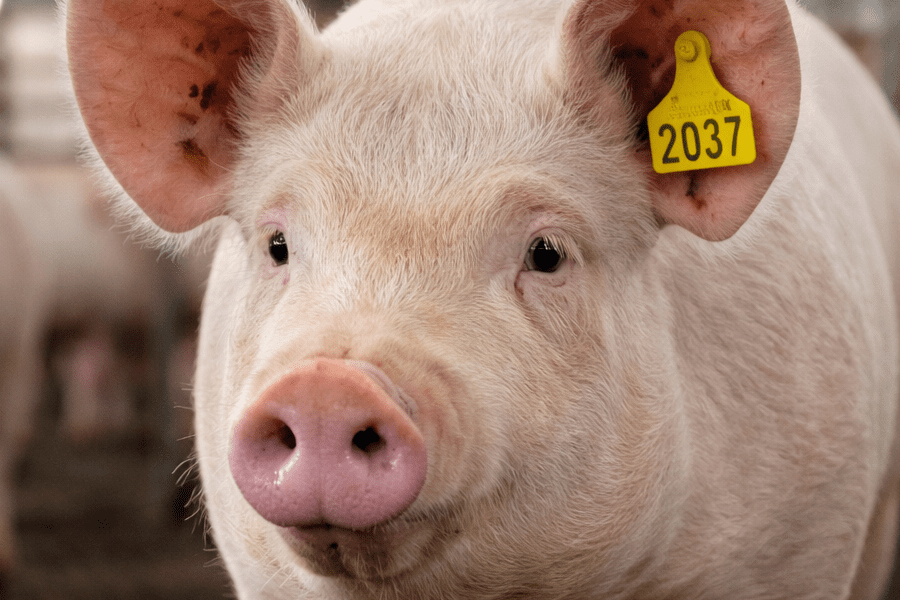
In swine, TADs include foot-and-mouth disease, African swine fever, and classical swine fever.


The workshop gathered policymakers, scientists, veterinary experts, and development partners from the SAARC member states (Bangladesh, Bhutan, India, Maldives, Nepal, Pakistan and Sri Lanka), WOAH (World Organization for Animal Health) Asia and Pacific, FAO Regional Office for Asia and the Pacific, ACAPSI, and other regional and international organizations.

Call for stronger investment in technology
Chief Guest, D P Wickremasinghe, Secretary at Sri Lanka’s Ministry of Agriculture, Livestock, Land & Irrigation, urged stronger investment in technology, laboratory capacity and early-warning systems.
He emphasized that safeguarding animal health is key to ensuring food safety, supporting rural economies, and enhancing regional trade.
Guest of Honor Dr Palika Fernando, Additional Secretary at Sri Lanka’s Ministry of Agriculture, Livestock, Land & Irrigation, highlighted the country’s ongoing efforts to strengthen veterinary services and disease surveillance.
She noted that regional workshops provide vital opportunities for countries to learn from each other and align strategies.
Integrating regional frameworks with national programs
Tanvir Ahmad Torophder, Director (ARD & SDF), SAARC Secretariat in Nepal, underscored the importance of integrating regional frameworks with national disease control programs.
He affirmed that the SAARC Secretariat will continue to support cross-border collaboration, capacity-building, and harmonized reporting systems.
SAC Director Md Harunur Rashid reiterated the center’s commitment to promoting evidence-based policymaking and fostering collaboration among SAARC member states.
He stressed that South Asia, with one of the world’s largest livestock populations, must adopt a unified strategy to mitigate disease risks.
“No single country can tackle TADs alone. Only through shared knowledge and joint action can we build resilient livestock systems,” he said.
Sustained regional commitment needed
Chairperson Dr K K Sarath, Chief Veterinary Officer and Director General of DAPH, closed the session by stressing the need for sustained regional commitment.
The workshop concluded with consensus that stronger surveillance, joint research, and rapid response mechanisms are vital to protect livestock-dependent communities across South Asia.


Subscribe now to the technical pig magazine
AUTHORS

Bifet Gracia Farm & Nedap – Automated feeding in swine nurseries

The importance of Water on pig farms
Fernando Laguna Arán
Microbiota & Intestinal Barrier Integrity – Keys to Piglet Health
Alberto Morillo Alujas
Impact of Reducing Antibiotic use, the Dutch experience
Ron Bergevoet
The keys to successful Lactation in hyperprolific sows
Mercedes Sebastián Lafuente
Addressing the challenge of Management in Transition
Víctor Fernández Segundo
Dealing with the rise of Swine Dysentery
Roberto M. C. Guedes
Actinobacillus pleuropneumoniae – What are we dealing with?
Marcelo Gottschalk
The new era of Animal Welfare in Pig Production – Are we ready?
Antonio Velarde
Gut health in piglets – What can we do to measure and improve it?
Alberto Morillo Alujas
Interview with Cristina Massot – Animal Health in Europe after April 2021
Cristina Massot
Differential diagnosis of respiratory processes in pigs
Desirée Martín Jurado Gema Chacón Pérez