




The inaugural Global Alliance for Animal’s seminar-workshop underscored how preventive health, disciplined management, and tailored diets can drive herd resilience.

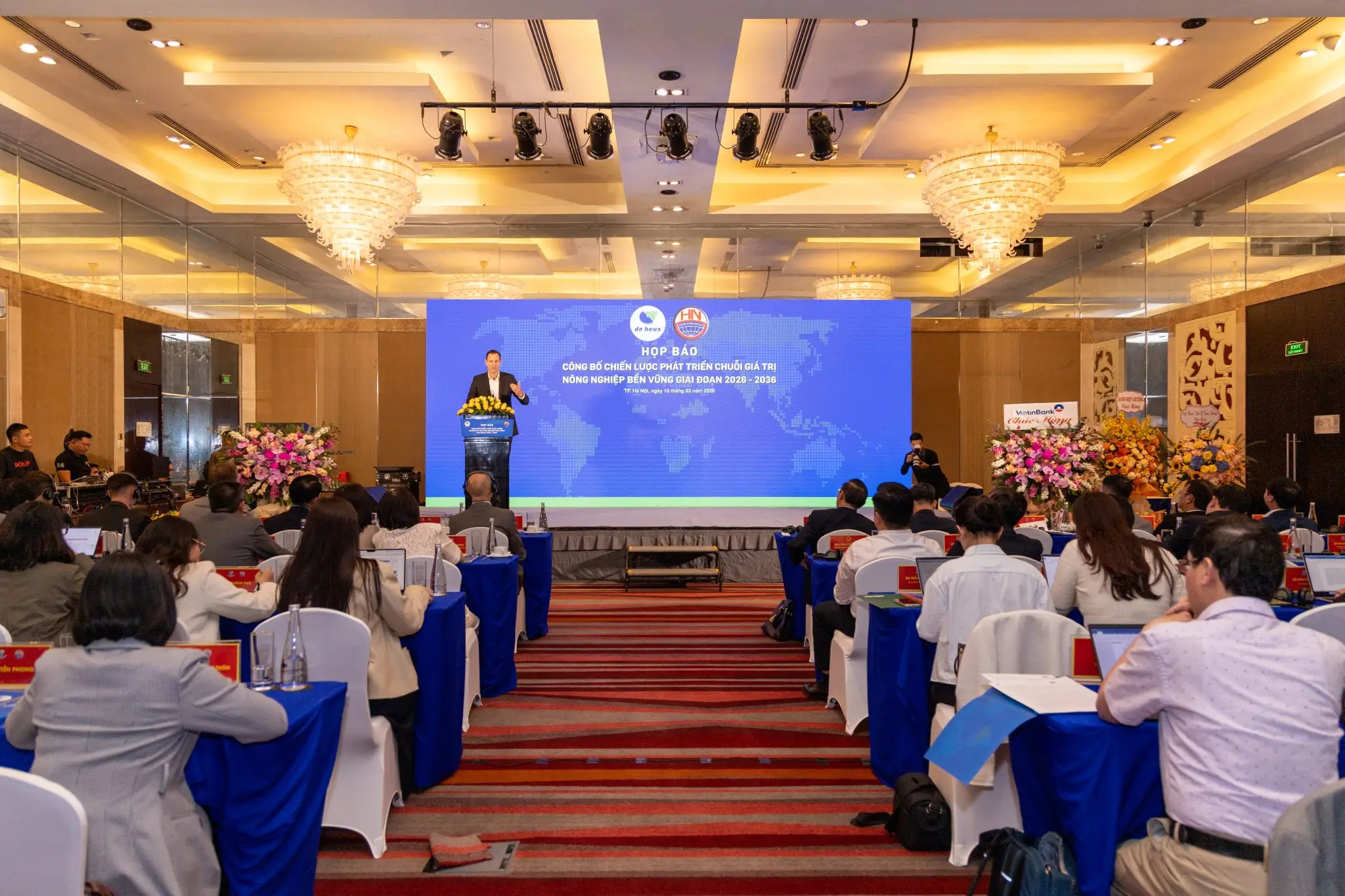
The Global Alliance for Animals (GAFA) held its inaugural seminar-workshop in Quezon City, Philippines, under the theme ‘Innovation and Economics for Sustainable Swine Production,’ aiming to connect science with economics for a more resilient swine industry.
Held in Quezon City, Philippines, the event gathered veterinarians, nutritionists, and farm managers to share strategies for strengthening herd resilience and productivity.
GAFA President Dr Jomar Castro, in opening the program, stressed that innovation must be rooted in economics, setting the tone for the day’s discussions.


(from left) Dr Carlo Maala, Dr Michael Quilitis, Dr Sherwin Abuel, Dr Rommel Sulabo, and Dr Jomar Castro
Carlo Maala, a noted swine practitioner in the region, traced the evolution of swine health management, from medication-heavy programs to modern diagnostics and biosecurity systems.
Dr Maala emphasized the industry’s shift toward preventive health and precision medicine, reducing reliance on antibiotics.
He highlighted biosecurity protocols and innovative diagnostics as central to herd resilience. Producers, he urged, must embrace these tools while drawing lessons from past disease outbreaks.
Attention then turned to reproduction, with swine production consultant Michael Quilitis underscoring the pivotal role of gilt development in herd performance.
He explained how nutrition, vaccination schedules, and structured management systems directly shape reproductive efficiency.
Dr Quilitis also pointed to sample size calculations and breeding company recommendations as practical tools for data-driven decision-making. Drawing comparisons with practices in Vietnam, Italy, India, and the US, he stressed that while global insights are valuable, strategies must remain cost-effective and adapted to local realities.
Swine practitioner Sherwin Abuel brought the discussion down to the farm level with his talk on achieving 35kg at 70 days, a benchmark known as ’35 @ 70’.
He advised participants to optimize feeding programs, adjust corn inclusion rates, and tighten biosecurity to reduce mortality.
Dr Abuel stressed that hitting this target is not just about technical know-how—it requires discipline in daily farm management. His presentation blended technical detail with farm-level wisdom, showing how producers can translate performance targets into achievable outcomes.
Closing the technical program, Rommel Sulabo, professor at the Institute of Animal Science at the University of the Philippines Los Baños, tackled the complexities of swine nutrition in the age of modern genetics.
He noted that while sows now produce larger litters of 15-20 piglets, their reduced appetite poses challenges for milk yield and piglet survival.
Dr Sulabo, an expert in swine nutrition, advocated for specialized diets for replacement gilts, with higher calcium, phosphorus, and micronutrient levels to support reproductive longevity. He explained that replacement diets often require 85% of the nutrient density of market diets, designed for sustainability rather than rapid growth.
Nutrition tailored to genetics and life stage, he argued, is the backbone of productivity and sustainability in both local and global contexts.
The GAFA seminar-workshop concluded with a strong call for collaboration among producers, researchers, and agribusiness stakeholders. By weaving together animal health, gilt management, farm-level strategies, and nutrition, the event highlighted how science and economics together can shape a more sustainable swine industry in the Philippines and across Asia.

Subscribe now to the technical pig magazine
AUTHORS

Bifet Gracia Farm & Nedap – Automated feeding in swine nurseries

The importance of Water on pig farms
Fernando Laguna Arán
Microbiota & Intestinal Barrier Integrity – Keys to Piglet Health
Alberto Morillo Alujas
Impact of Reducing Antibiotic use, the Dutch experience
Ron Bergevoet
The keys to successful Lactation in hyperprolific sows
Mercedes Sebastián Lafuente
Addressing the challenge of Management in Transition
Víctor Fernández Segundo
Dealing with the rise of Swine Dysentery
Roberto M. C. Guedes
Actinobacillus pleuropneumoniae – What are we dealing with?
Marcelo Gottschalk
The new era of Animal Welfare in Pig Production – Are we ready?
Antonio Velarde
Gut health in piglets – What can we do to measure and improve it?
Alberto Morillo Alujas
Interview with Cristina Massot – Animal Health in Europe after April 2021
Cristina Massot
Differential diagnosis of respiratory processes in pigs
Desirée Martín Jurado Gema Chacón Pérez