Pig farming faces phase-out in Selangor as Sultan stresses land should be used for housing and development, not livestock operations.

In Malaysia’s most populous state, Selangor, Sultan Sharafuddin Idris Shah has drawn a firm line, declaring that pig farming will no longer be permitted anywhere within its borders. In a statement, he emphasized that the practice has caused environmental damage, social unease, and discomfort among residents.
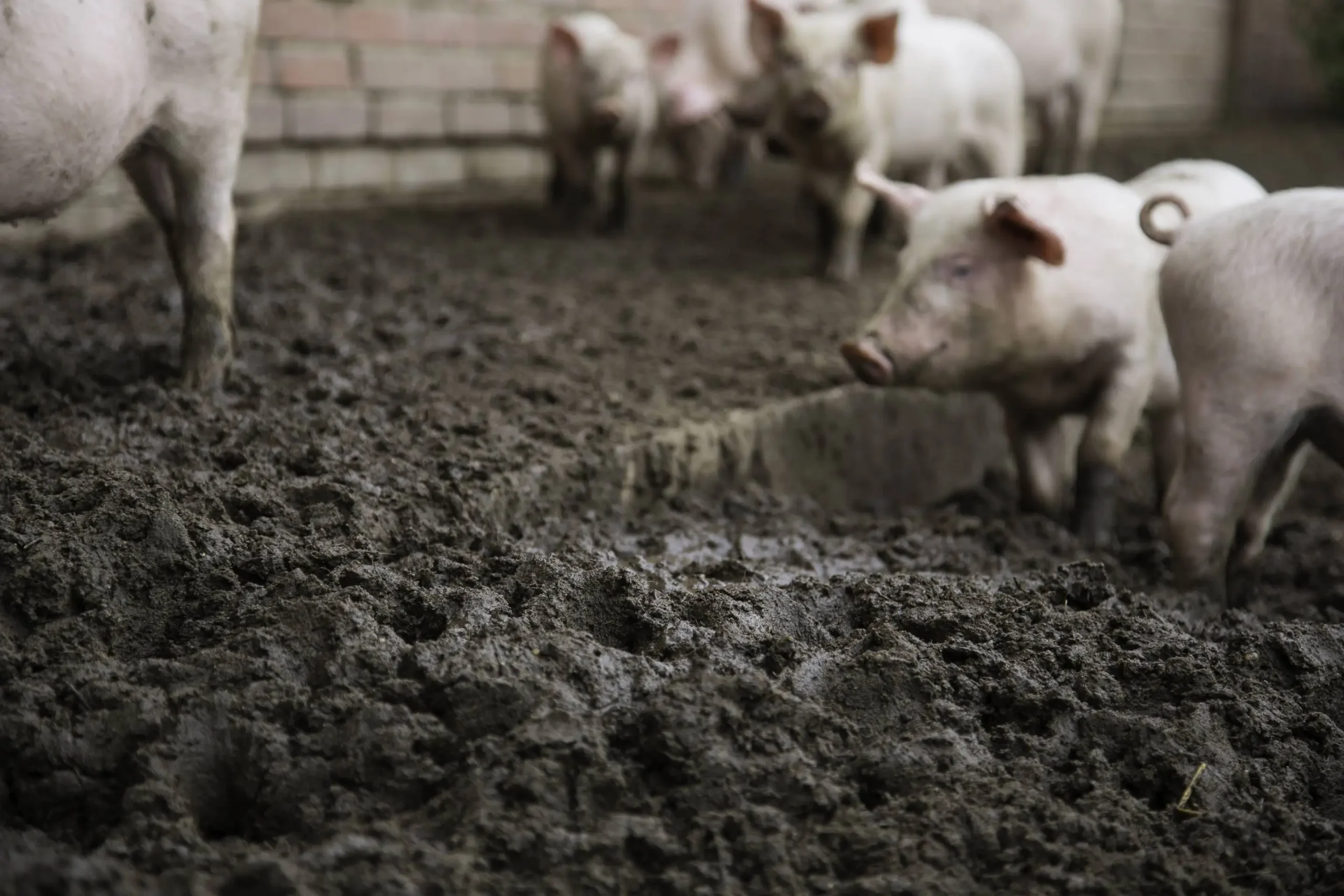
His decree quickly shifted the spotlight to pollution, with foul odors and contaminated rivers becoming symbols of the wider community’s frustration.
Pollution, protest, and public unease
Across Selangor, the debate has spilled into daily life, as residents raise their voices against odors, waste, and polluted waterways. The Sultan stressed that these problems affect peace and harmony in society.


He noted that modern farming methods could reduce pollution but remain costly and impractical for operators serving only Selangor. Furthermore, there is no guarantee that contamination of rivers and water catchments could be fully prevented.
Key concerns raised include:
Imports over farms: A cleaner solution
Rather than prolonging the conflict, the Sultan pointed to a cleaner path forward: importing pork to meet demand without disrupting communities.
He added that Selangor’s land should be used for more productive purposes such as housing and development. Large-scale or small-scale pig farming, he argued, is unsuitable given the state’s limited land and high property values.
Policy turns: From pig farms to pork imports
His stance aligned with the Prime Minister’s call to cancel the Bukit Tagar project, marking a decisive turn in state policy. The Prime Minister also stressed that farms should not be located near residential areas or sites that could spark controversy.
Bukit Tagar, a Malay settlement and Felda area, was identified as unsuitable due to expected opposition from locals and risks to nearby water sources.
Recently, the Selangor government cancelled plans to centralize pig farming in Bukit Tagar. Reports indicate that the state is phasing out existing farms, with only about 30 still operating in Tanjong Sepat, Kuala Langat, compared with 115 previously.
The Sultan underscored that pig farming must be halted decisively, urging all parties to respect his decree and safeguard Selangor’s unity, peace, and environmental integrity.

Subscribe now to the technical pig magazine
AUTHORS

Bifet Gracia Farm & Nedap – Automated feeding in swine nurseries

The importance of Water on pig farms
Fernando Laguna Arán
Microbiota & Intestinal Barrier Integrity – Keys to Piglet Health
Alberto Morillo Alujas
Impact of Reducing Antibiotic use, the Dutch experience
Ron Bergevoet
The keys to successful Lactation in hyperprolific sows
Mercedes Sebastián Lafuente
Addressing the challenge of Management in Transition
Víctor Fernández Segundo
Dealing with the rise of Swine Dysentery
Roberto M. C. Guedes
Actinobacillus pleuropneumoniae – What are we dealing with?
Marcelo Gottschalk
The new era of Animal Welfare in Pig Production – Are we ready?
Antonio Velarde
Gut health in piglets – What can we do to measure and improve it?
Alberto Morillo Alujas
Interview with Cristina Massot – Animal Health in Europe after April 2021
Cristina Massot
Differential diagnosis of respiratory processes in pigs
Desirée Martín Jurado Gema Chacón Pérez