The Swineovation museum bridges heritage and innovation, teaching farmers and consumers the value of local pork and sustainable swine production.





Swinenovation, relaunched in Cebu City, Philippines by Excelsior Farms, is more than a museum. It is a living classroom designed to elevate pig farming practices and inspire the next generation of farmers. Jointly founded by Excelsior Farms, PIC Philippines, Cargill, and Alltech, the initiative reflects the shared vision of combining genetics, nutrition, biosecurity, and modern facilities to set the stage for sustainable swine production.
The goal is to demonstrate how modern pig farming is practiced at Excelsior and, by showing its effectiveness, encourage others to contribute to the country’s food security.

Photo credit: Excelsior Farms


The museum first opened in 2018 but closed during the pandemic. In its relaunch, Swineovation has embraced digital tools and interactive exhibits. Visitors can explore panels on breeding, nutrition, biosecurity, and meat science, each supported by industry partners.
The design ensures that students, farmers, and policymakers gain a holistic view of pig farming. It has been envisioned as an interactive museum where individuals can learn from each section, moving from genetics to meat and seeing the entire ecosystem in one place.
Swinenovation’s strength lies in collaboration. Each partner contributes expertise that completes the chain of modern pig farming.
PIC (Pig Improvement Company) provides knowledge on breeding and genetics, helping farmers understand how improved lines can boost productivity.

Cargill focuses on feeds and nutrition, showing how balanced diets support animal health and growth.

Alltech brings solutions in meat science, highlighting innovations that improve quality and sustainability in pork production.

Excelsior Farms itself showcases milestones and practices, grounding the museum in Cebu’s swine heritage and its role in national development. Together, this partnership model ensures that visitors—from smallholders to students—see the interconnected roles of genetics, nutrition, biosecurity, and meat science in building a resilient industry.

One of Swinenovation’s core missions is to encourage young people to enter modern farming. Agriculture is often overlooked as a career path, but the museum aims to change perceptions by presenting farming as innovative and rewarding. At the same time, the initiative addresses the challenges faced by smallholder farms, which dominate Cebu and the Philippines.
While Excelsior operates as a nucleus farm, the museum demonstrates how smallholders can adopt minimum biosecurity practices without heavy costs. Even simple measures such as avoiding pig exposure for 48 hours prior or following basic entry protocols can make a significant difference.
African Swine Fever (ASF) remains a major threat to the industry. Swinenovation highlights strict biosecurity measures patterned after PIC standards, teaching visitors why protocols matter at every stage.
Knowledge transfer from the museum can help reduce risks across farms. ASF continues to spread because of weak measures, and the museum emphasizes that biosecurity should never be treated as optional but as essential.
The museum also serves as a platform for knowledge exchange between commercial and backyard farms. While smallholders learn modern practices, commercial farms gain insight into the challenges faced by smaller producers.
Drawing on PIC’s tagline, “Never stop improving,” the museum underscores that learning flows both ways. This exchange is vital, as backyard farms remain widespread and often pose risks to larger operations. By fostering dialogue, Swinenovation helps build collective responsibility for disease prevention and industry growth.
Swinenovation is not only for farmers. It also seeks to influence consumers by showing the journey of pork from farm to table. Understanding production steps fosters appreciation for local pork. For any person, it is valuable to know the roots of what ends up on their table. Even if local pork costs a little more, consumers are more likely to choose it once they understand the process.
This awareness could strengthen demand for Cebu’s pork, positioning it against imported products and reinforcing the value of supporting local producers.
Excelsior Farms has partnered with schools offering agriculture and animal science courses, giving students practical exposure beyond classrooms. Interactive activities keep visitors engaged and attentive. The museum’s role extends beyond Cebu.
As the first of its kind in the country, Swinenovation aims to become a platform for national livestock development. It envisions future collaborations with more partners and expansions to other regions. For now, it is considered a starting ground, with much more to come.
Visits to Swinenovation are by booking, with details available through [email protected]. Excelsior remains open to new industry partners, especially as it considers branching out to other parts of the Philippines.
The museum embodies both heritage and innovation. It preserves Cebu’s swine legacy while preparing the industry for future challenges. In doing so, it strengthens the link between farmers, consumers, and the broader agricultural community.



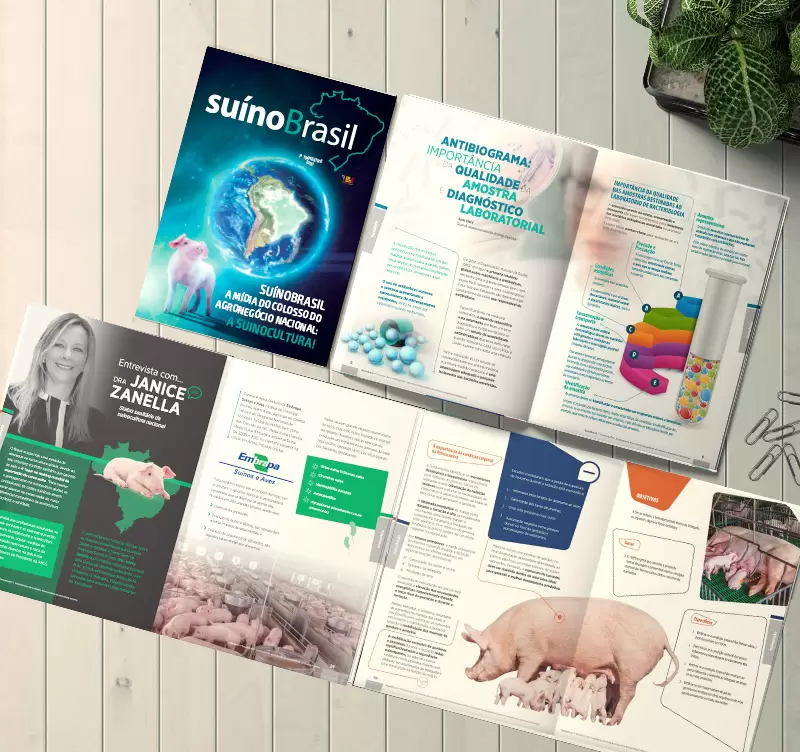
Subscribe now to the technical pig magazine
AUTHORS

Bifet Gracia Farm & Nedap – Automated feeding in swine nurseries

The importance of Water on pig farms
Fernando Laguna Arán
Microbiota & Intestinal Barrier Integrity – Keys to Piglet Health
Alberto Morillo Alujas
Impact of Reducing Antibiotic use, the Dutch experience
Ron Bergevoet
The keys to successful Lactation in hyperprolific sows
Mercedes Sebastián Lafuente
Addressing the challenge of Management in Transition
Víctor Fernández Segundo
Dealing with the rise of Swine Dysentery
Roberto M. C. Guedes
Actinobacillus pleuropneumoniae – What are we dealing with?
Marcelo Gottschalk
The new era of Animal Welfare in Pig Production – Are we ready?
Antonio Velarde
Gut health in piglets – What can we do to measure and improve it?
Alberto Morillo Alujas
Interview with Cristina Massot – Animal Health in Europe after April 2021
Cristina Massot
Differential diagnosis of respiratory processes in pigs
Desirée Martín Jurado Gema Chacón Pérez


To provide the best experiences, we use technologies like cookies...