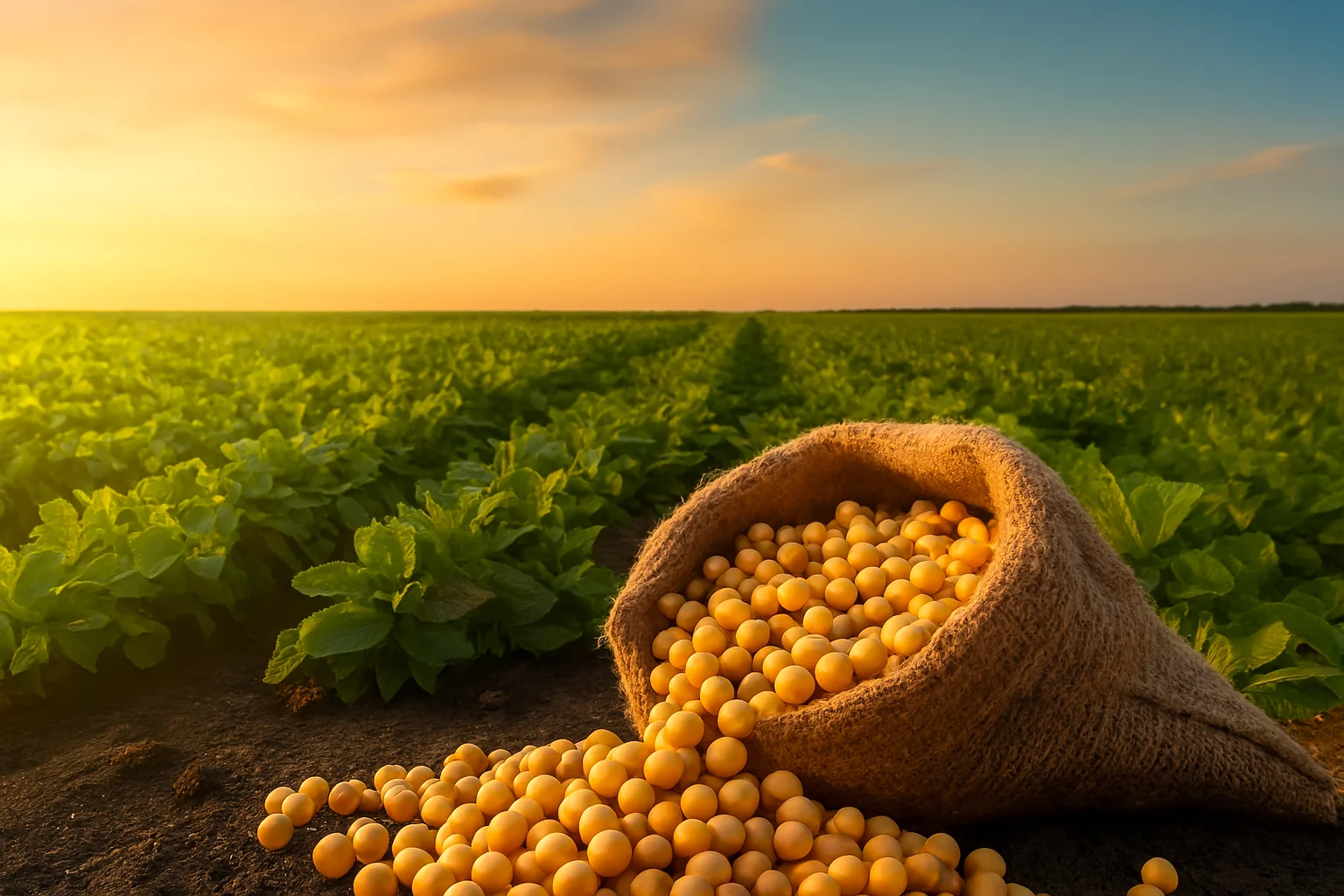
Over the decades, Indonesia has grown into one of US Soy’s most strategic markets, serving as Southeast Asia’s largest soybean importer for food use and one of the world’s largest importers of US whole soybeans.





The US Soybean Export Council (USSEC) commemorates 45 years of partnership between US Soy and Indonesia, celebrating a relationship that has helped shape Indonesia’s food, feed, and aquaculture industries.
Over the decades, Indonesia has grown into one of US Soy’s most strategic markets, serving as Southeast Asia’s largest soybean importer for food use and one of the world’s largest importers of US whole soybeans.
This milestone reflects a partnership built on collaboration, technical exchange, and a shared commitment to supporting Indonesia’s evolving food and agricultural landscape.
As Indonesia’s industry continues to grow, US Soy remains committed to collaborating with government, industry partners, and customers to strengthen food security, sustainability, and long‑term market development.
A partnership built on quality and shared progress
Over the past four and a half decades, US Soy and Indonesia have built a partnership defined by quality, consistency, and shared success. Today, US Soy accounts for nearly 90% of imported soybeans used in Indonesia, most of which are processed into traditional soy foods, underscoring the confidence Indonesian customers place in US Soy and the enduring strength of this relationship.
Indonesia’s longstanding demand for high‑quality soybeans, together with the continued expansion of its feed and aquaculture sectors, reflects the strength of the US–Indonesia partnership. Demonstrating this momentum, US soybean exports to Indonesia grew by 348,000 tons, with market share predicted to rise from 88% to more than 90% in the current marketing year (September 1, 2025–August 31, 2026).
“Indonesia has long been a key partner for US Soy in Southeast Asia, strengthened by decades of progress and mutual trust,” said Carlos Salinas, Executive Director – East Asia, USSEC.
“For 45 years, we have worked closely with Indonesian customers and industry partners to support the country’s evolving food and feed industries through innovation, technical expertise, and sustainable growth.”
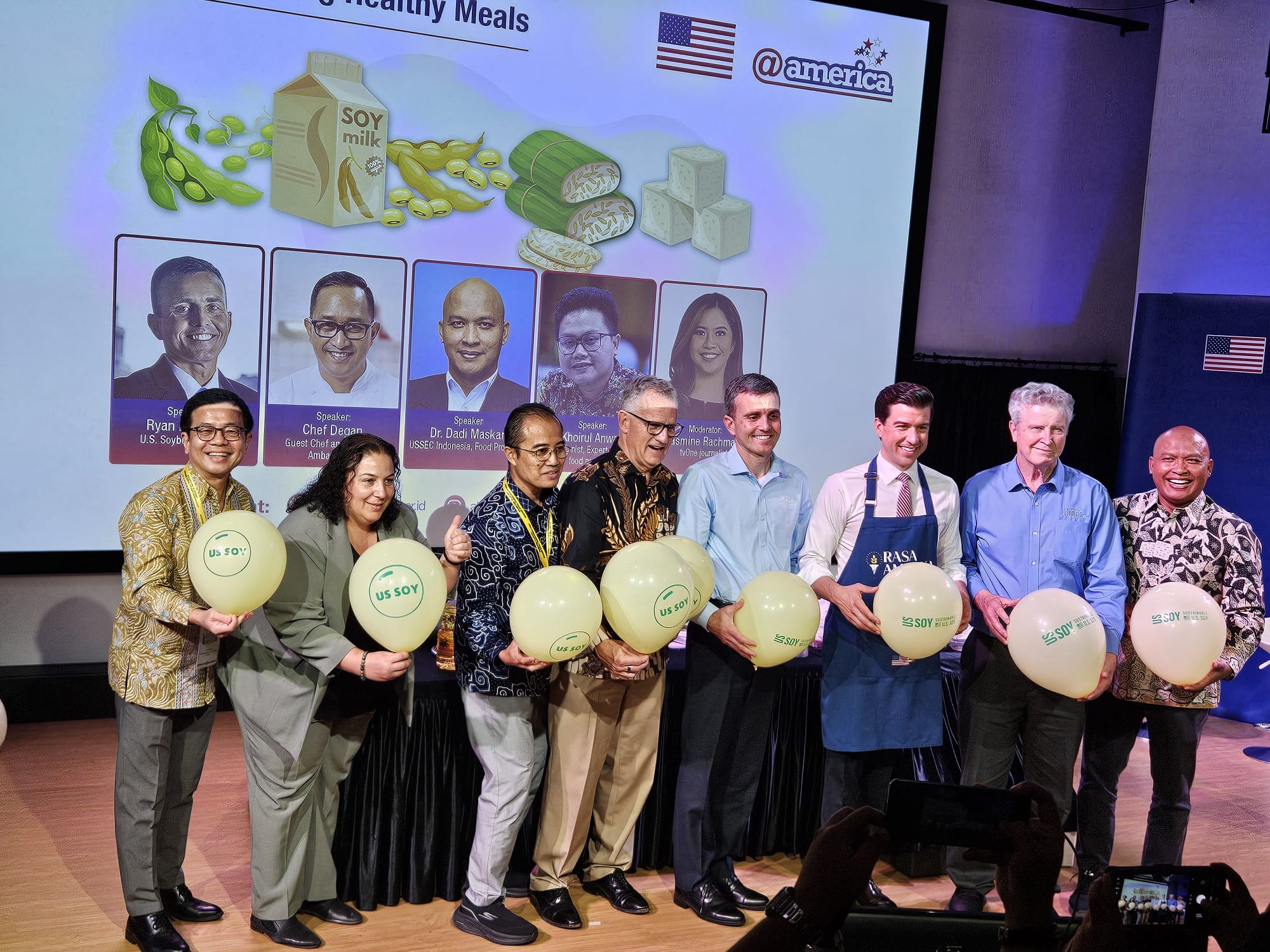
Expanding opportunities through strategic collaboration
Indonesia’s longstanding tradition of consuming tempe and tofu continues to drive demand for high-quality soybeans, with consumption expanding beyond Java into major islands such as Sumatera, Kalimantan, and Sulawesi.
As demand for soy diversifies beyond traditional food applications, new opportunities are emerging across Indonesia’s livestock and aquaculture sectors.
The country currently imports approximately 6 million tons of soybean meal for animal feed annually, with demand projected to grow by 29% by 2035. Soy use in aquaculture feed is expected to increase by 71% by 2035, reflecting the continued expansion of Indonesia’s seafood production and growing demand for high-quality protein ingredients.
USSEC’s partnerships with Indonesian industry organizations have strengthened technical knowledge, promoted the use of US Soy in traditional soy foods, and supported the development of Indonesia’s soy value chain.
Through collaboration with local stakeholders, industry associations, and the United States Department of Agriculture (USDA), USSEC continues to advance technical exchange, market development, and dialogue on evolving trade and policy priorities.
Driving sustainable growth across the soy value chain
As Indonesia’s food and feed industries evolve, sustainability has become a central focus of the US–Indonesia partnership. Programs such as the US Soy Sustainability Assurance Protocol (SSAP) and the Sustainable US Soy label provide independently verified assurances that support Indonesia’s emphasis on responsible sourcing, traceability, and resilient supply chains.
This commitment reflects USSEC’s broader mission to strengthen long‑term partnerships, promote sustainably produced US Soy, and support customers in meeting the needs of modern food and feed systems.
“For decades, US Soy has worked with partners around the world to build reliable, high-quality supply chains, and Indonesia has been an important part of that global effort,” said Jim Sutter, USSEC CEO.
“As food and feed demand continues to rise globally, customers are looking for dependable ingredients and trusted relationships. USSEC is committed to supporting Indonesia by providing sustainable solutions, technical support, and the consistency that modern food and feed systems require.”
Looking ahead together
As Indonesia’s food and feed industries continue to grow, US Soy remains committed to deepening collaboration, advancing sustainable production, and supporting resilient supply chains that benefit producers, manufacturers, and consumers alike.
USSEC will continue working alongside government agencies, industry partners, and customers to foster innovation, expand technical exchange, and create new opportunities that contribute to Indonesia’s food security and long-term agricultural development.



Subscribe now to the technical pig magazine
AUTHORS

Bifet Gracia Farm & Nedap – Automated feeding in swine nurseries

The importance of Water on pig farms
Fernando Laguna Arán
Microbiota & Intestinal Barrier Integrity – Keys to Piglet Health
Alberto Morillo Alujas
Impact of Reducing Antibiotic use, the Dutch experience
Ron Bergevoet
The keys to successful Lactation in hyperprolific sows
Mercedes Sebastián Lafuente
Addressing the challenge of Management in Transition
Víctor Fernández Segundo
Dealing with the rise of Swine Dysentery
Roberto M. C. Guedes
Actinobacillus pleuropneumoniae – What are we dealing with?
Marcelo Gottschalk
The new era of Animal Welfare in Pig Production – Are we ready?
Antonio Velarde
Gut health in piglets – What can we do to measure and improve it?
Alberto Morillo Alujas
Interview with Cristina Massot – Animal Health in Europe after April 2021
Cristina Massot
Differential diagnosis of respiratory processes in pigs
Desirée Martín Jurado Gema Chacón Pérez


To provide the best experiences, we use technologies like cookies...