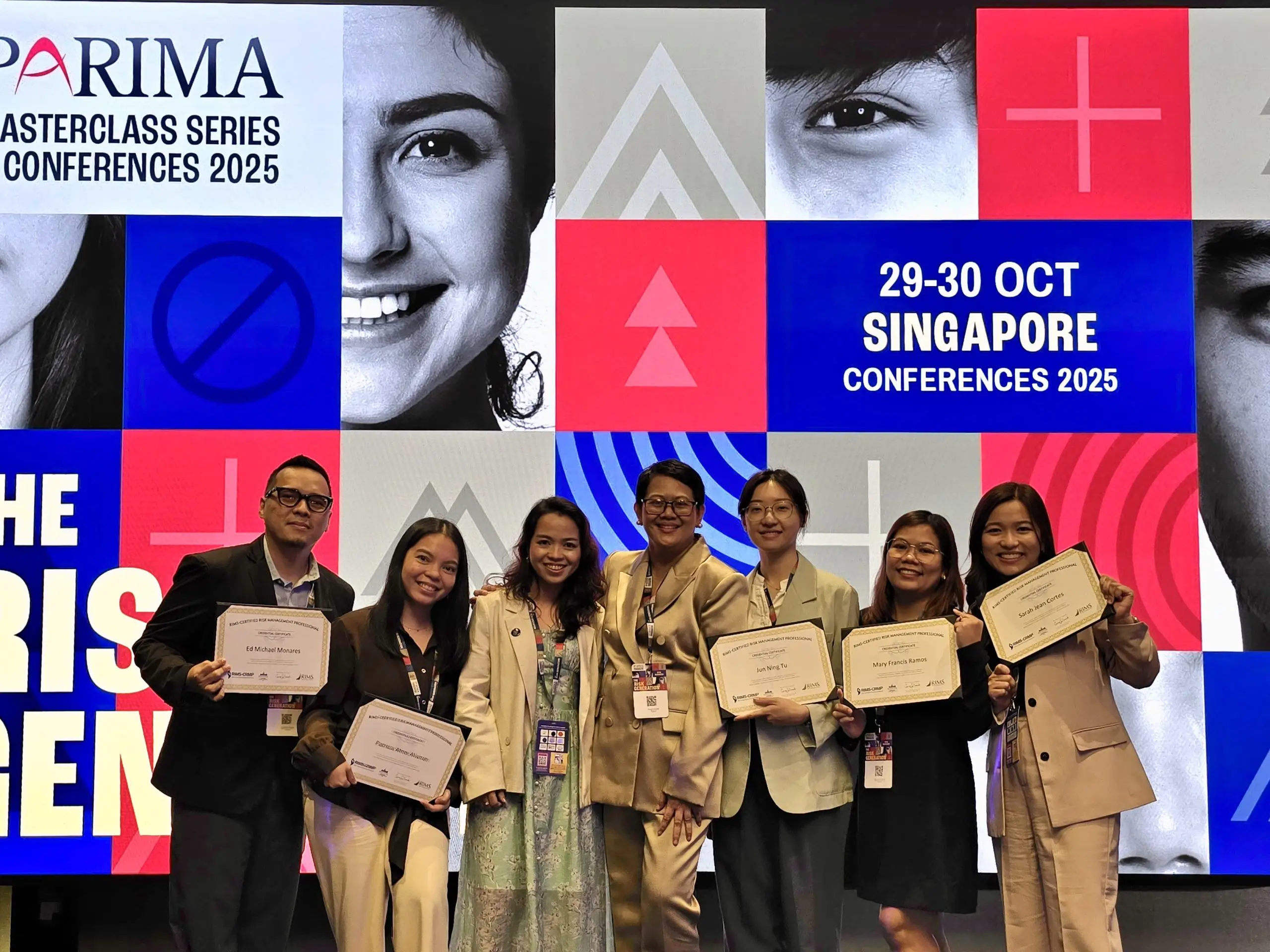
Key regional events bring together industry leaders to advance dialogue across the food and feed value chain.

Southeast Asia’s food, feed, and agricultural trade community gathered in Bangkok, Thailand, recently for two key industry events hosted by the US Soybean Export Council (USSEC). The SE Asia US Agricultural Cooperators Conference and the Asia Soy Excellence & Food Summit brought together US farmers, exporters, industry leaders, and regional stakeholders.
Together, the events fostered dialogue, strengthened partnerships, and explored opportunities shaping the future of food and agriculture across Southeast Asia.
Southeast Asia remains a vital growth market for US Soy, driven by rising demand in feed and food sectors. In marketing year (MY) 2024/25, the region imported 10.1 million tons of whole soybeans and 18.6 million tons of soybean meal. These figures highlight reliance on imported soy products, including US Soy, for sustainable protein.
The Philippines continues to lead as the world’s top importer of US soybean meal. Vietnam also shows strong demand growth, fueled by expanding feed requirements for livestock and aquaculture.


The region’s food and beverage sector continues to embrace US Soy’s quality and versatility, supporting both traditional and modern food applications.
Urbanization and evolving consumer preferences are reshaping diets. Rising consumption of poultry, pork, and seafood sustains soybean meal demand, reinforcing its role in Southeast Asia’s feed requirements.
“These events bring together partners across the feed and food sectors to support practical dialogue and collaboration across the value chain,” said Carlos Salinas, Executive Director – East Asia at US Soybean Export Council.
He added, “Southeast Asia remains a key growth region for US Soy. As demand for protein continues to rise, there are clear opportunities to expand the use of US soybean meal and soy food products across the region. Through continued engagement, we support the region’s priorities in food security, nutrition, and sustainable production.”
Sustainability, transparency, and consistent quality are shaping buyer expectations. US Soy’s unique strengths, including its lower carbon footprint and verified sustainability credentials, remain key differentiators for customers in the region.
Multi-generational US farmers reinforce confidence through their commitment to quality and reliable supply. Close engagement with buyers strengthens trust in US Soy as a dependable, long-term partner.
Held from 23–25 March, the conference was co‑organized by USSEC, the US Grains & BioProducts Council, and US Wheat Associates. The theme, ‘Building trusted partnerships, delivering value and reliability’, guided discussions.
The three-day program featured business-to-business meetings, plenary sessions, and expert-led discussions on forces shaping global agricultural markets. Topics included production trends, policy shifts, and trade dynamics. Sessions examined how these forces shape global markets for soy, grains, and wheat.
Participants emphasized that reliability and long-term relationships remain essential in navigating market uncertainty. The conference also highlighted the feed sector’s role in ensuring protein access for a growing population.
The Asia Soy Excellence & Food Summit, held from March 25–27, focused on innovation, nutrition, and sustainability, highlighting the growing role of US Soy in meeting Asia’s evolving food needs.
Under the theme ‘Unlocking nutritious and sustainable soy benefits – differentiate and elevate US Soy for nourishing Asia’, leaders explored how US Soy supports healthier diets and resilient food systems.
Sustainability is increasingly shaping brand positioning and purchasing decisions. Adoption of the Sustainable US Soy (SUSS) label, which identifies products made with verified sustainable US Soy, has enhanced product differentiation, market performance, and consumer trust.
The summit also underscored demand for food-grade and identity preserved soybeans. Verified sourcing and traceability remain critical in meeting buyer expectations for consistent supply.
Together, both events underscored the importance of strong partnerships, responsible sourcing, and innovation in supporting Southeast Asia’s evolving food and feed needs.
US Soy continues to deliver consistent, responsibly sourced solutions backed by reliability and collaboration across the value chain.
Subscribe now to the technical pig magazine
AUTHORS

Bifet Gracia Farm & Nedap – Automated feeding in swine nurseries

The importance of Water on pig farms
Fernando Laguna Arán
Microbiota & Intestinal Barrier Integrity – Keys to Piglet Health
Alberto Morillo Alujas
Impact of Reducing Antibiotic use, the Dutch experience
Ron Bergevoet
The keys to successful Lactation in hyperprolific sows
Mercedes Sebastián Lafuente
Addressing the challenge of Management in Transition
Víctor Fernández Segundo
Dealing with the rise of Swine Dysentery
Roberto M. C. Guedes
Actinobacillus pleuropneumoniae – What are we dealing with?
Marcelo Gottschalk
The new era of Animal Welfare in Pig Production – Are we ready?
Antonio Velarde
Gut health in piglets – What can we do to measure and improve it?
Alberto Morillo Alujas
Interview with Cristina Massot – Animal Health in Europe after April 2021
Cristina Massot
Differential diagnosis of respiratory processes in pigs
Desirée Martín Jurado Gema Chacón Pérez