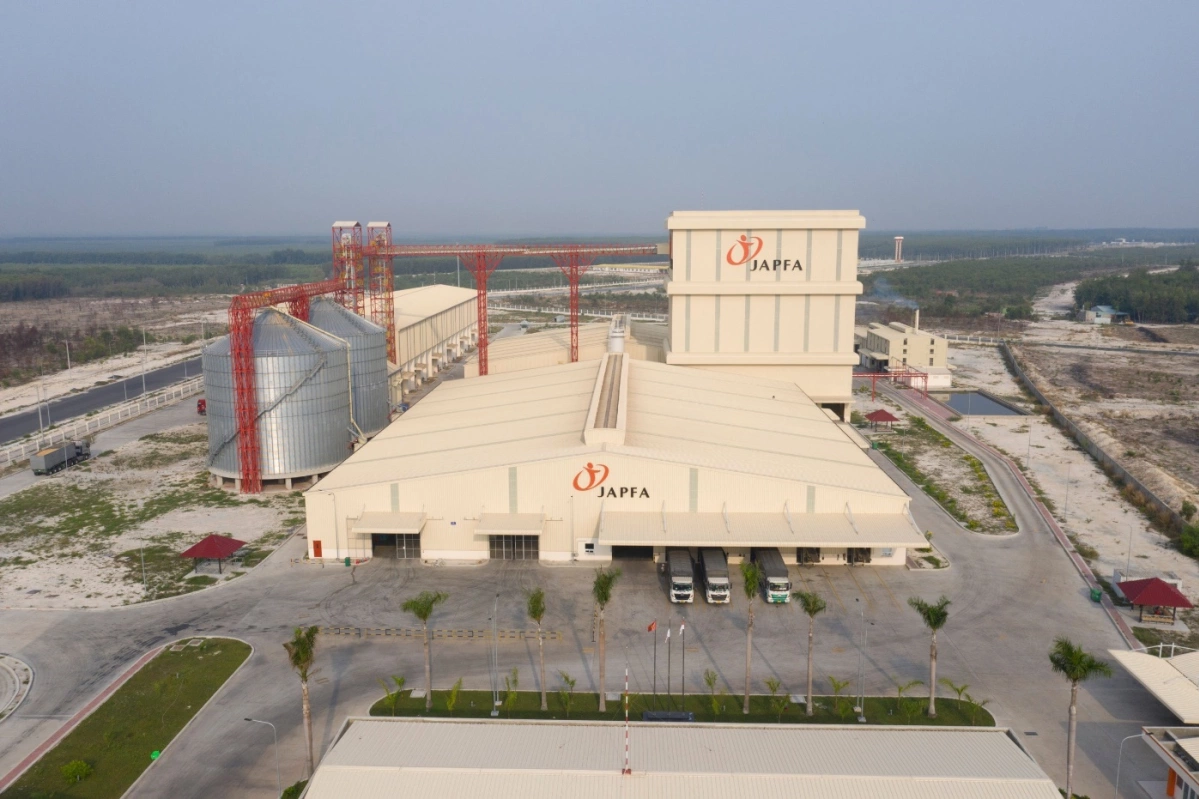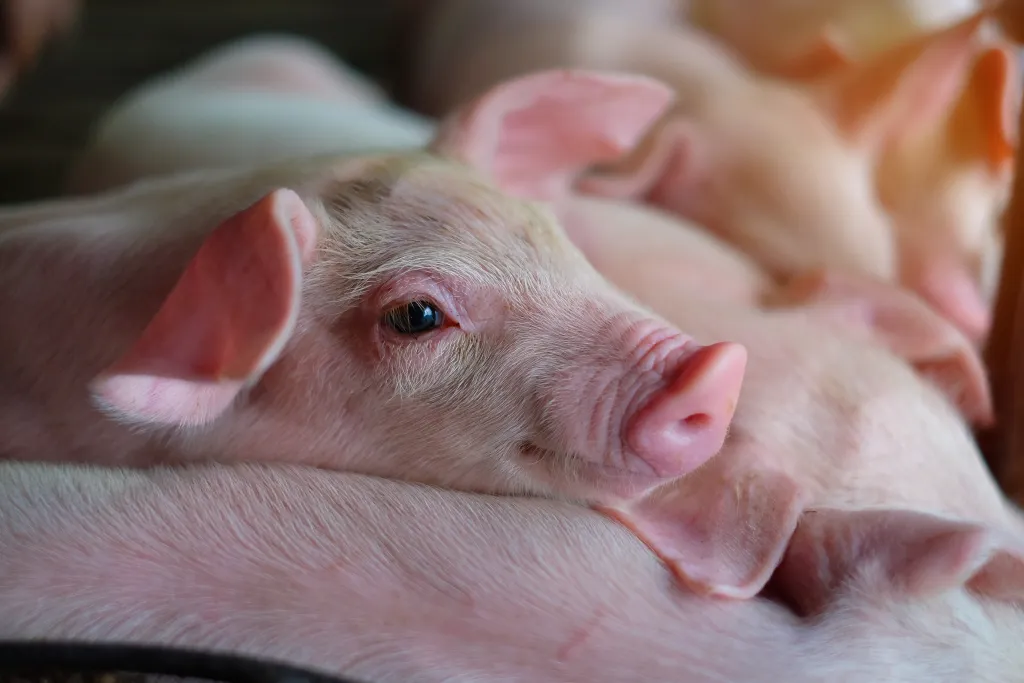
In the pork sector, consolidation is ongoing, improving efficiency, biosecurity, and production capacity among leading domestic and foreign players.

Vietnam’s animal protein sector is entering a new phase of growth, supported by strong macroeconomic performance, rising incomes, and an expanding middle class, according to the latest research by Rabobank’s RaboResearch.
With gross domestic product expected to grow 6-7% annually from 2026 to 2030 and continued urbanization, demand for pork and poultry will remain robust.
Pork is still the dominant protein, but poultry is growing at a faster pace, driven by modernized farming practices and increasing consumer preference for convenient, safe, and value-added products.
Per capita protein consumption remains below that of more developed Asian markets, leaving room for further growth.


Rapid modernization
Vietnam’s livestock sector is undergoing rapid modernization, wrote Rabobank’s analysts Chenjun Pan and Oscar Tjakra in the report.
Larger-scale, integrated, and tech-enabled production models are steadily replacing traditional smallholder farming.
In the pork sector, consolidation is ongoing, improving efficiency, biosecurity, and production capacity among leading domestic and foreign players.
Poultry continues to grow strongly but faces volatility due to rapid capacity buildup and competition from imports.
Meanwhile, the feed industry continues to face structural overcapacity and remains heavily reliant on imports, further accelerating the shift toward vertically integrated feed-farm-food systems.
Evolving consumer behavior
Consumer behavior is evolving, the analysts observed.
Modern retail, e-commerce, and foodservice channels are gaining share as consumers place greater emphasis on food safety, convenience, and traceability.
Going forward, demand growth will increasingly come from premium and value-added products rather than from volume alone.
Over the next five years, Vietnam’s animal protein supply chains are expected to continue formalizing and integrating, reinforcing efficiency, quality, and competitiveness across the sector.

Subscribe now to the technical pig magazine
AUTHORS

Bifet Gracia Farm & Nedap – Automated feeding in swine nurseries

The importance of Water on pig farms
Fernando Laguna Arán
Microbiota & Intestinal Barrier Integrity – Keys to Piglet Health
Alberto Morillo Alujas
Impact of Reducing Antibiotic use, the Dutch experience
Ron Bergevoet
The keys to successful Lactation in hyperprolific sows
Mercedes Sebastián Lafuente
Addressing the challenge of Management in Transition
Víctor Fernández Segundo
Dealing with the rise of Swine Dysentery
Roberto M. C. Guedes
Actinobacillus pleuropneumoniae – What are we dealing with?
Marcelo Gottschalk
The new era of Animal Welfare in Pig Production – Are we ready?
Antonio Velarde
Gut health in piglets – What can we do to measure and improve it?
Alberto Morillo Alujas
Interview with Cristina Massot – Animal Health in Europe after April 2021
Cristina Massot
Differential diagnosis of respiratory processes in pigs
Desirée Martín Jurado Gema Chacón Pérez