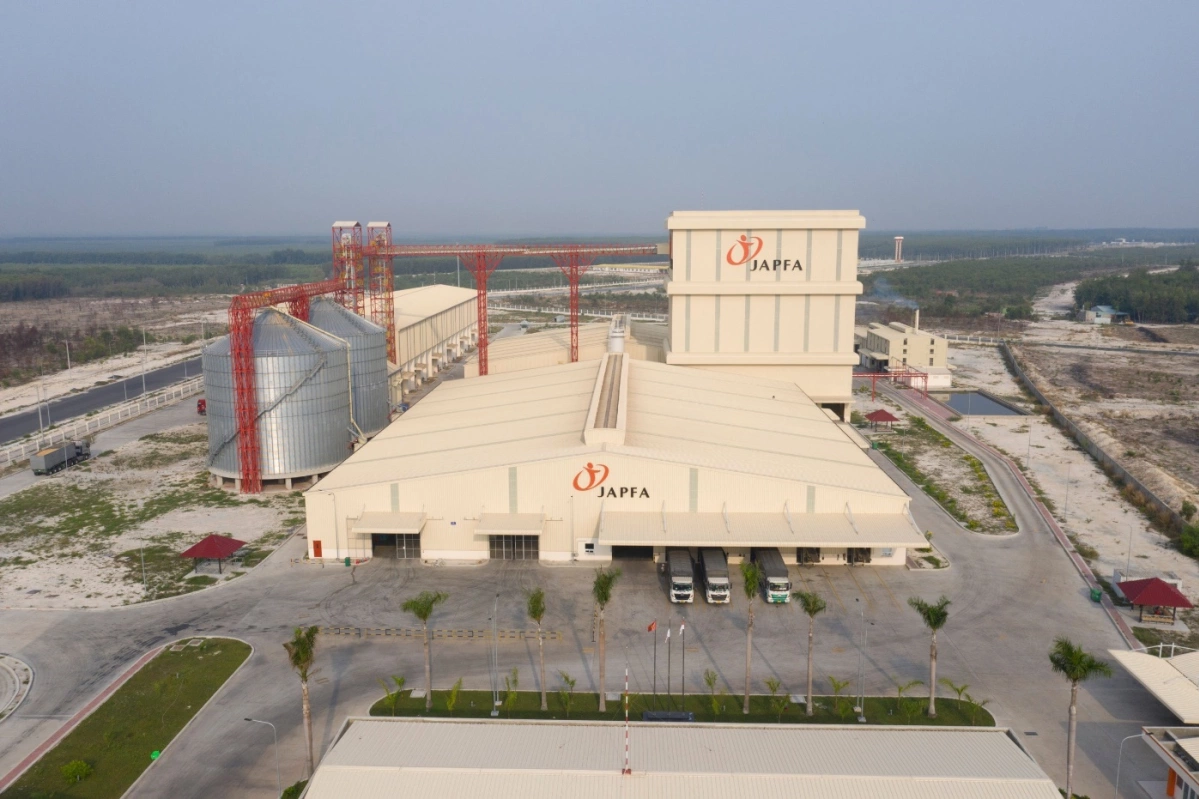
With swine feed leading production and rice bran exports opening new markets, the country’s feed industry is entering a dynamic growth phase.
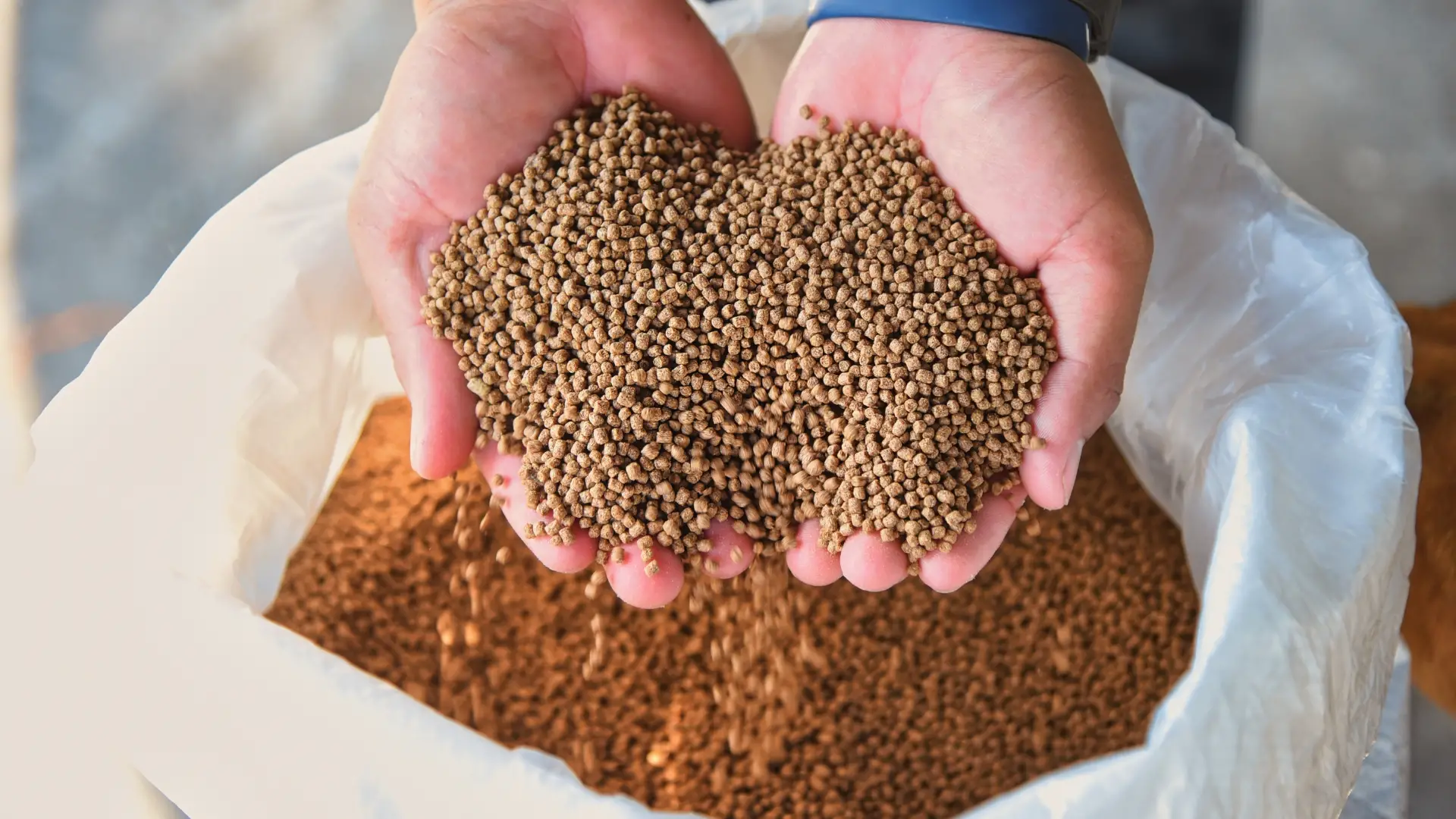
Vietnam’s animal feed industry entered 2025 with renewed strength. Compound feed production climbed to 22.12 million tons, marking a 2.9% increase from the previous year.
Stabilizing global commodity markets, combined with timely government interventions, helped cool production costs. This gave farmers the confidence to restock and expand operations, reinforcing the sector’s resilience.
Balancing domestic output with global supply
Domestic production continues to match the needs of key livestock sectors while ensuring a steady inflow of imported raw materials to safeguard supply chains.


Imports also played a crucial role. Total volume rose slightly to 24.78 million tons, valued at USD 8.22 billion. While quantities increased, overall value declined as global commodity prices softened. Corn and soybean meal remained the primary staples, anchoring Vietnam’s feed supply.
Lower costs strengthen livestock operations
Price movements in 2025 favored producers. Soybean meal prices plunged by 17.8%, while DDGS dropped 7.2% compared to 2024. These declines translated into retail feed prices falling by 2.5% to 3.5% for swine and broiler feed.
Lower input costs eased financial pressure on farmers, enabling more sustainable growth across the sector.
New markets drive record gains
Exports delivered the year’s most striking achievement. Turnover for animal feed and raw materials surged to USD 1.6 billion, a 45% jump from 2024. A key driver was the newly signed protocol for rice bran exports to China, opening the market to 12 Vietnamese enterprises with a projected capacity of 1.2 million tons annually.
Government policy reinforced this momentum. Decree 73/2025/ND-CP granted tax exemptions and reductions for corn and soybean meal imports. At the same time, new measures encouraged processing of domestic by-products such as bagasse and rice bran, reducing reliance on foreign markets.
Building trust through transparency
The livestock sector also advanced in governance and technology. Integration of a national database accelerated, while quality control intensified. Fourteen inspection task forces were deployed throughout the year to safeguard food safety and ensure market transparency.
These efforts strengthened confidence in Vietnam’s feed industry and underscored its commitment to sustainable development.
A backbone for sustainable agriculture
With favorable raw material prices, expanding export opportunities, and stronger regulatory frameworks, Vietnam’s feed industry is consolidating its role as a cornerstone of national agriculture. The sector’s trajectory in 2025 highlights both resilience and ambition, positioning it as a vital driver of sustainable growth.



Subscribe now to the technical pig magazine
AUTHORS

Bifet Gracia Farm & Nedap – Automated feeding in swine nurseries

The importance of Water on pig farms
Fernando Laguna Arán
Microbiota & Intestinal Barrier Integrity – Keys to Piglet Health
Alberto Morillo Alujas
Impact of Reducing Antibiotic use, the Dutch experience
Ron Bergevoet
The keys to successful Lactation in hyperprolific sows
Mercedes Sebastián Lafuente
Addressing the challenge of Management in Transition
Víctor Fernández Segundo
Dealing with the rise of Swine Dysentery
Roberto M. C. Guedes
Actinobacillus pleuropneumoniae – What are we dealing with?
Marcelo Gottschalk
The new era of Animal Welfare in Pig Production – Are we ready?
Antonio Velarde
Gut health in piglets – What can we do to measure and improve it?
Alberto Morillo Alujas
Interview with Cristina Massot – Animal Health in Europe after April 2021
Cristina Massot
Differential diagnosis of respiratory processes in pigs
Desirée Martín Jurado Gema Chacón Pérez