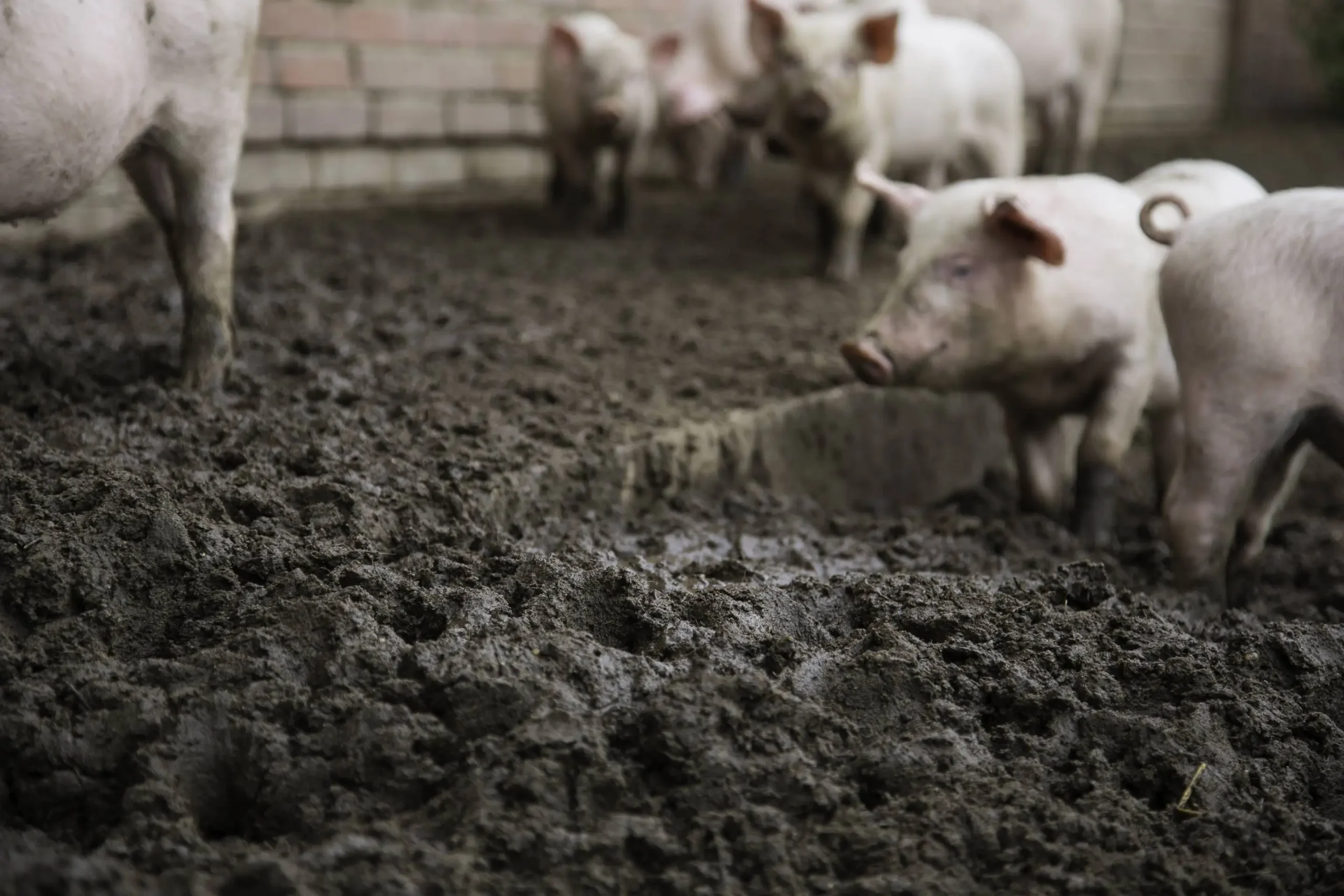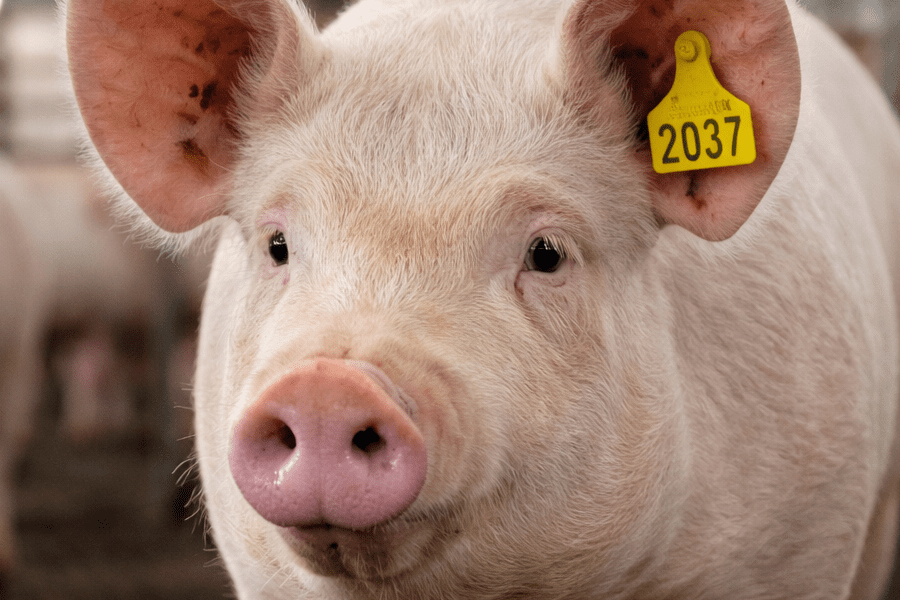
Chinese pig producers are grappling with higher costs even as they contend with falling pork prices due to overcapacity and weak demand.

Rising grain prices linked to the Iran war are driving up animal feed costs in China, the world’s largest pig market. Producers already face weak demand and hog prices at 16-year lows, Reuters reported.
Since the war began on February 28, futures for soybean meal and corn have climbed to multi-month highs on the Dalian exchange. Analysts attribute the surge to higher oil prices, freight rates, and fertilizer costs.
In March, spot prices for soybean meal and corn in China have risen by over USD 28.94/ton and around USD 14.47/ton. These jumps—7% and 4% respectively—have sharply lifted feed costs.
Other feed inputs have also surged. Prices for lysine and methionine, essential amino acids, along with fishmeal and vitamins A and E, rose between 6% and 77% this month, according to Rosa Wang of JC Intelligence Co (JCI).


“Prices for most raw materials used in animal feed have experienced a significant increase in March, partly driven by the ongoing conflict in the Middle East,” said Lin Guofa, Senior Analyst at consultancy Bric Agriculture Group.
Chinese pig producers, who account for half of the world’s pigs, now grapple with higher costs while pork prices continue to fall due to overcapacity and weak demand.
On March 23, China’s most-active hog futures contract DLHcv1 fell to a contract low of around USD 1,448.16/ton. Cash prices tumbled to USD 1.40/kg, the lowest in 16 years, JCI reported.
“Raising a hog that weighs about 60-62.5 kg currently costs USD 1.77-1.81/kg. This means farmers lose USD 40.51-50.64 for each pig they sell,” said Ms Lin.
Smaller farmers, who produce less than 30% of China’s pigs, risk being forced out of business as they are particularly vulnerable to price swings, analysts said.
“For small farmers now, either you sell your pigs cheap or you grit your teeth and bear it, get through this price drop, and then wait for the pig price to rebound,” said Fu Zhenzhen, Feed Analyst at Beijing Orient Agribusiness Consultants.
Mr Li, a farmer in Hebei province with 600 pigs, said he has been losing money since last year. “We are being roasted by fire now. Pork prices are so low, but feed costs have jumped sharply in March,” he added.
Since last year, Chinese authorities have intensified efforts to curb overcapacity, urging breeders to cut sow numbers and manage slaughter rates. Recently, frozen pork purchases for state reserves were made to stabilize prices.
China’s sow herd totaled 39.61 million heads at the end of December, remaining above the normal holding level of 39 million.
“Going forward, pork prices will mainly depend on how aggressively companies trim their herds,” said Pan Chenjun, Senior Animal Protein Analyst at Rabobank in Hong Kong.


Subscribe now to the technical pig magazine
AUTHORS

Bifet Gracia Farm & Nedap – Automated feeding in swine nurseries

The importance of Water on pig farms
Fernando Laguna Arán
Microbiota & Intestinal Barrier Integrity – Keys to Piglet Health
Alberto Morillo Alujas
Impact of Reducing Antibiotic use, the Dutch experience
Ron Bergevoet
The keys to successful Lactation in hyperprolific sows
Mercedes Sebastián Lafuente
Addressing the challenge of Management in Transition
Víctor Fernández Segundo
Dealing with the rise of Swine Dysentery
Roberto M. C. Guedes
Actinobacillus pleuropneumoniae – What are we dealing with?
Marcelo Gottschalk
The new era of Animal Welfare in Pig Production – Are we ready?
Antonio Velarde
Gut health in piglets – What can we do to measure and improve it?
Alberto Morillo Alujas
Interview with Cristina Massot – Animal Health in Europe after April 2021
Cristina Massot
Differential diagnosis of respiratory processes in pigs
Desirée Martín Jurado Gema Chacón Pérez