A new collaboration seeks to explain why African wild pigs resist African swine fever, which could unlock an effective ASF vaccine.

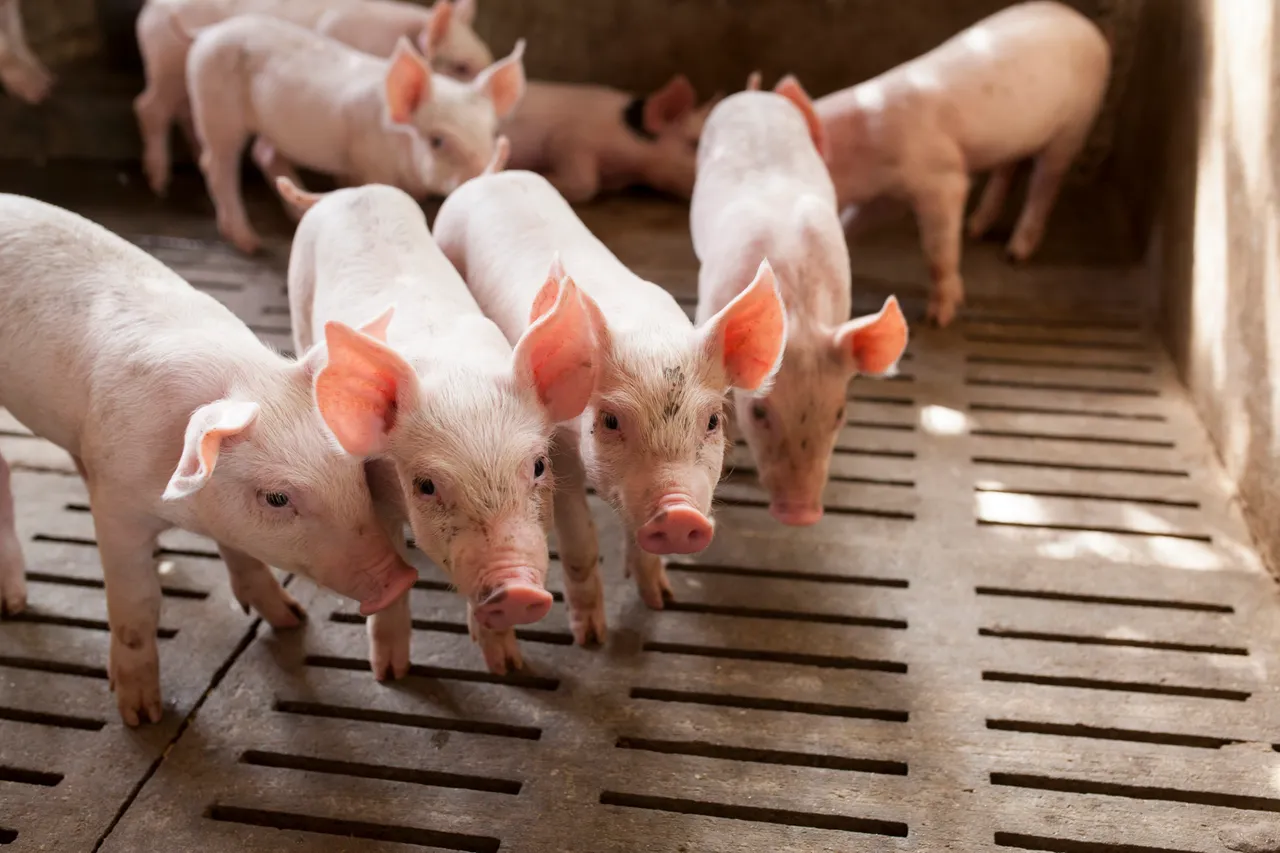
African swine fever (ASF) continues to devastate pig farming worldwide, with no vaccine available and control limited to slaughter and quarantine. Now, scientists are turning to wild pigs for answers.
Looking beyond domestic herds
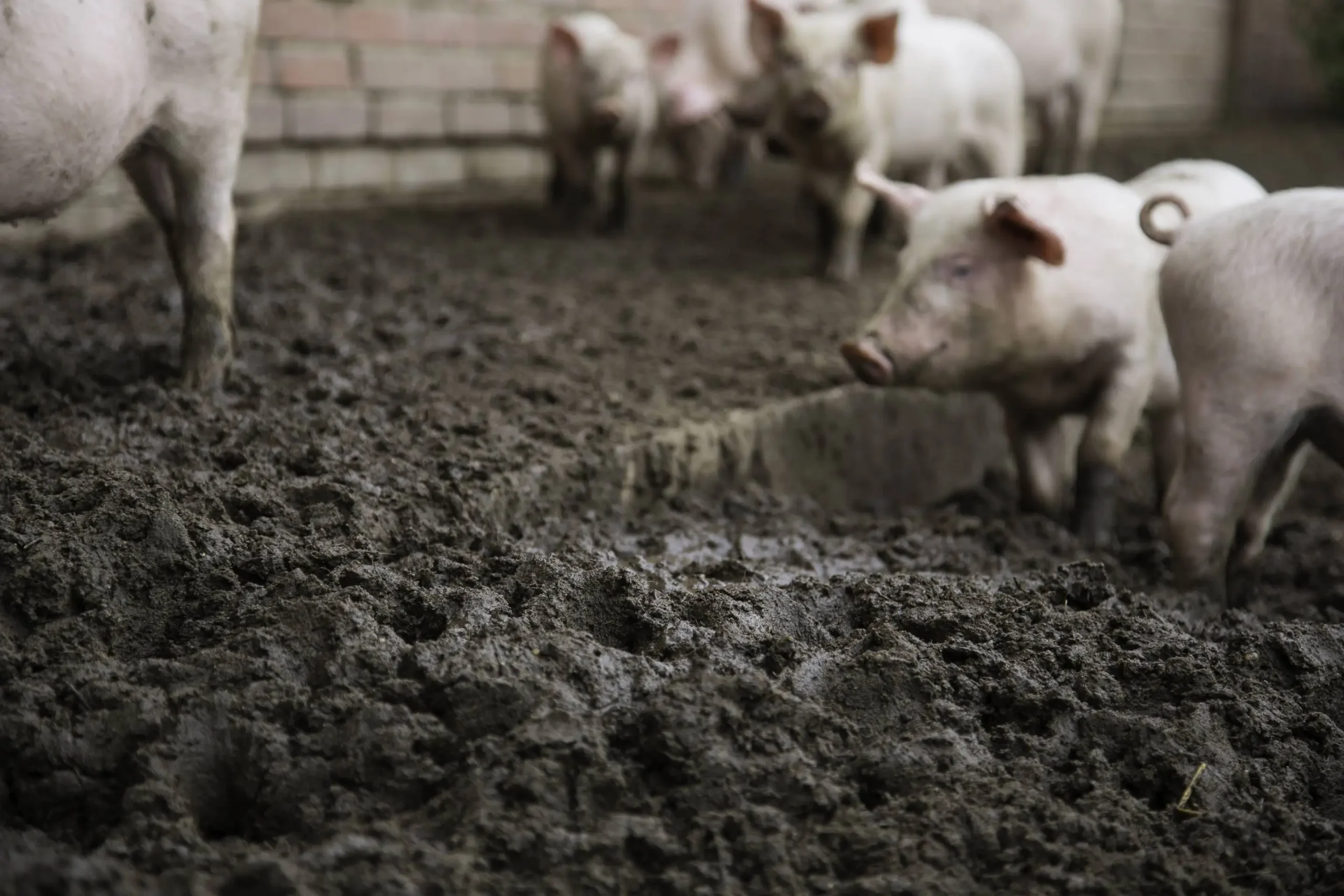
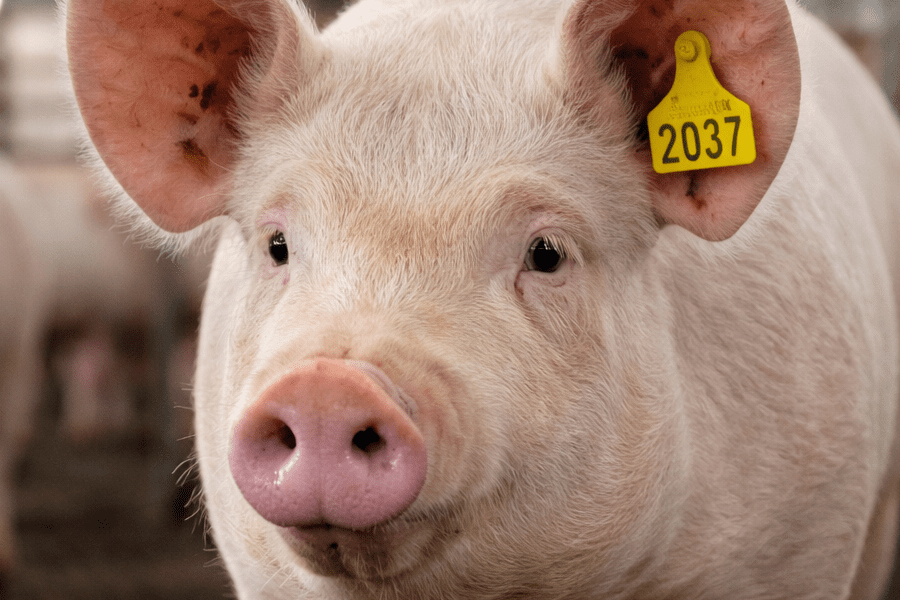
Researchers at the Pirbright Institute and the Roslin Institute are investigating why African wild pigs such as warthogs and red river hogs resist the ASF virus (ASFV). These animals carry the virus but do not develop disease, unlike domestic pigs.
The project aims to close a critical knowledge gap by examining immune responses in wild species. Stem cell technology is being used to generate macrophages, the immune cells targeted by ASFV, from both pigs and red river hogs.


A global research effort
The study brings together expertise from across Europe:
Funding comes through the EU Partnership on Animal Health and Welfare, supported by the UK Department for Environment, Food & Rural Affairs.
Strategies to decode immunity
Dr Chris Netherton of Pirbright explained that the team hopes to identify biomarkers of resistance by studying macrophage responses. He said the work could reveal host factors that determine susceptibility.
Roslin’s Dr Finn Grey highlighted the use of high-throughput genetic screens to test thousands of genes simultaneously. This approach, he noted, should pinpoint the mechanisms that regulate ASFV infection.
INRAE’s Dr Ferdinand Roesch emphasized the importance of linking innate immune sensing and cytokine production to broader antiviral responses.
Meanwhile, Dr Cedric Notredame of CRG warned that recent ASF detections near Barcelona show the virus remains a constant threat. Understanding why wild pigs resist disease, he said, is vital to protecting biodiversity and farmers’ livelihoods.
Long-term impact
The three-year collaboration will compare domestic pigs and warthogs to uncover genetic factors behind resilience. By focusing on innate immunity, researchers hope to lay the groundwork for a vaccine that could transform ASFV control.


Subscribe now to the technical pig magazine
AUTHORS

Bifet Gracia Farm & Nedap – Automated feeding in swine nurseries

The importance of Water on pig farms
Fernando Laguna Arán
Microbiota & Intestinal Barrier Integrity – Keys to Piglet Health
Alberto Morillo Alujas
Impact of Reducing Antibiotic use, the Dutch experience
Ron Bergevoet
The keys to successful Lactation in hyperprolific sows
Mercedes Sebastián Lafuente
Addressing the challenge of Management in Transition
Víctor Fernández Segundo
Dealing with the rise of Swine Dysentery
Roberto M. C. Guedes
Actinobacillus pleuropneumoniae – What are we dealing with?
Marcelo Gottschalk
The new era of Animal Welfare in Pig Production – Are we ready?
Antonio Velarde
Gut health in piglets – What can we do to measure and improve it?
Alberto Morillo Alujas
Interview with Cristina Massot – Animal Health in Europe after April 2021
Cristina Massot
Differential diagnosis of respiratory processes in pigs
Desirée Martín Jurado Gema Chacón Pérez