


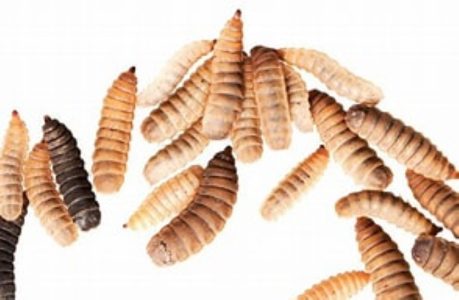
Black soldier fly (BSF) larvae have the potential to become a sustainable protein source for swine diets. A study published in the Journal of Animal and Feed Sciences explores their nutritional value, functional properties, and impact on pig performance.
Nutritional value and energy contribution
BSF larvae provide balanced protein and energy for pigs. Full-fat larvae deliver about 19.1 MJ/kg DM metabolizable energy, while defatted products yield 14.2 MJ/kg DM. Their amino acid profile supports muscle development, with lysine and leucine levels comparable to conventional protein sources.
BSF fat also contains lauric acid, which enhances energy metabolism and contributes antimicrobial properties.
Growth performance and meat quality
Research shows that 4–8% BSF inclusion in pig diets can replace fishmeal without compromising performance. Pigs fed BSF exhibited higher average daily gain, thicker backfat, and improved intramuscular fat content.
These traits enhance pork tenderness and flavor, highlighting BSF’s potential to improve both productivity and consumer-valued meat quality.
Digestibility and gut health
BSF supplementation supports digestive efficiency and intestinal health. Chitin and chitosan act as prebiotics, fostering beneficial microbiota such as Lactobacillus and Roseburia, while reducing harmful bacteria like Streptococcus.
Studies show BSF increase short-chain fatty acids in the colon, improving nutrient absorption and immune balance. Enhanced villus height and reduced crypt depth further indicate stronger gut morphology.
Antimicrobial and immune benefits
Lauric acid in BSF converts to monolaurin, which exhibits antibacterial and antiviral activity. This property helps control enterotoxigenic E. coli, a major cause of post-weaning diarrhea in piglets.
BSF also reduce pro-inflammatory cytokines while boosting immunoglobulin A and antioxidant enzymes, strengthening pigs’ resilience against disease.
Welfare and behavioral enrichment
Beyond nutrition, live BSF larvae can serve as environmental enrichment. Piglets show strong motivation to consume larvae, encouraging natural exploratory behavior. This enrichment reduces stress during weaning, supporting welfare without compromising feed intake or growth.
Research gaps and future directions
Most studies focus on weaned piglets, a critical stage for dietary innovation. Less is known about BSF use in growing-finishing pigs and sows, where long-term effects on carcass composition and reproduction need exploration. Further work is also required to standardize BSF production, ensuring consistent nutrient profiles and safety.