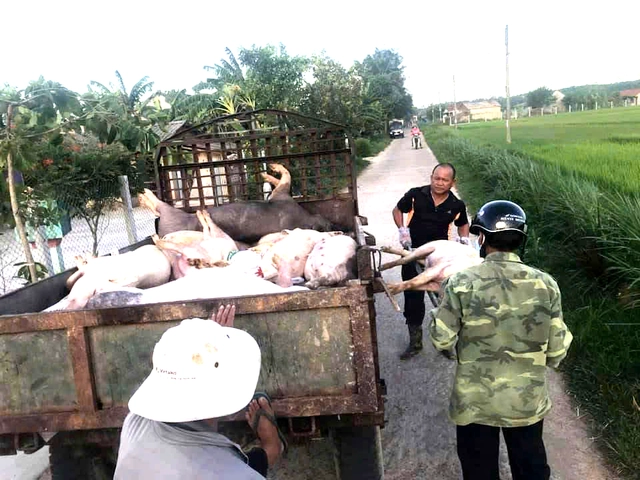
The SAT-1 strain of foot-and-mouth disease has spread into China and Central Asia, with high mortality among young animals and limited vaccine protection.




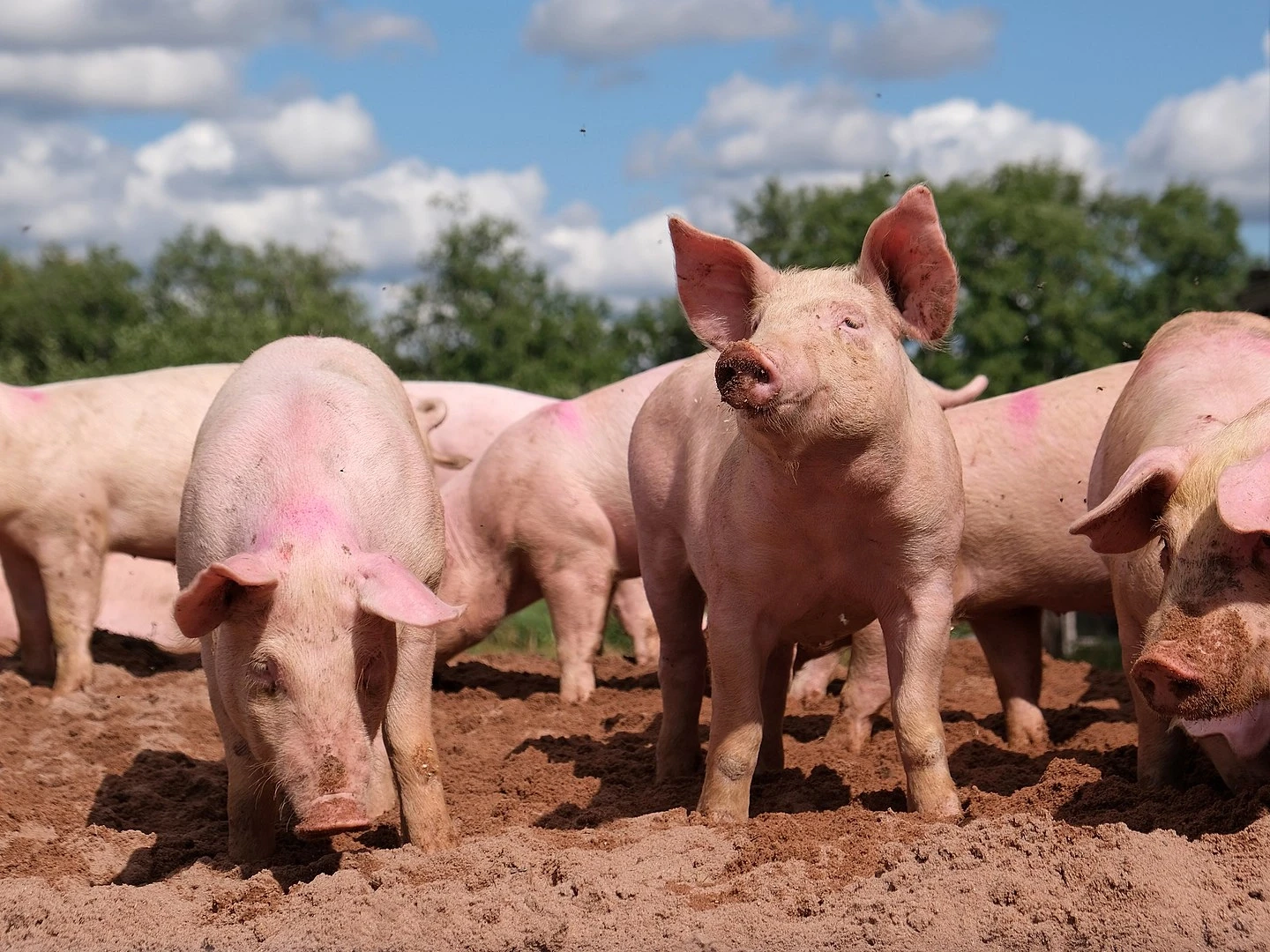
China and Central Asia are grappling with a fast-spreading foot-and-mouth disease (FMD) outbreak, threatening livestock industries, food security, and regional trade. Authorities report high mortality among young animals and limited vaccine effectiveness.
The outbreak was first reported in western Siberia, Russia, before spreading into China’s Xinjiang and Gansu provinces. Chinese officials confirmed infections in cattle and ordered emergency measures, including culling, transport restrictions, and intensified vaccination campaigns.
The disease has also reached Kyrgyzstan, Uzbekistan, and Turkmenistan, raising concerns about porous borders and uncontrolled livestock movement. Kazakhstan responded by banning cattle, meat, and feed imports from Russia while vaccinating herds near the border.
Chinese authorities identified a strain never before seen in the country, complicating containment efforts. Mortality among young animals exceeds 50%, and domestic vaccines have proven ineffective. This has forced officials to strengthen herd monitoring and consider halting imports, following Kazakhstan’s example.


Experts warn that the SAT-1 strain’s high transmissibility and weak vaccine protection could prolong disruptions. Meat supply chains across Central Asia and western China face risks, with potential economic consequences for agricultural producers.
Governments are tightening controls to prevent wider outbreaks. Russia has reportedly quarantined and culled herds, though accusations persist that officials concealed the scale of infections to protect export revenues.
Kazakhstan’s proactive measures highlight regional urgency, while China’s Ministry of Agriculture has ordered enhanced surveillance in affected provinces. Cross-border livestock trade remains a critical concern, with authorities racing to contain the spread before it destabilizes broader agricultural economies.
The outbreak threatens beef, mutton, and pork production across western China, Russia, and Central Asia. Prolonged disruptions could undermine food security and strain regional trade networks.
Experts caution that without effective vaccines and transparent reporting, containment will remain difficult. The situation underscores the need for coordinated regional action to safeguard livestock industries and stabilize supply chains.


Subscribe now to the technical pig magazine
AUTHORS

Bifet Gracia Farm & Nedap – Automated feeding in swine nurseries

The importance of Water on pig farms
Fernando Laguna Arán
Microbiota & Intestinal Barrier Integrity – Keys to Piglet Health
Alberto Morillo Alujas
Impact of Reducing Antibiotic use, the Dutch experience
Ron Bergevoet
The keys to successful Lactation in hyperprolific sows
Mercedes Sebastián Lafuente
Addressing the challenge of Management in Transition
Víctor Fernández Segundo
Dealing with the rise of Swine Dysentery
Roberto M. C. Guedes
Actinobacillus pleuropneumoniae – What are we dealing with?
Marcelo Gottschalk
The new era of Animal Welfare in Pig Production – Are we ready?
Antonio Velarde
Gut health in piglets – What can we do to measure and improve it?
Alberto Morillo Alujas
Interview with Cristina Massot – Animal Health in Europe after April 2021
Cristina Massot
Differential diagnosis of respiratory processes in pigs
Desirée Martín Jurado Gema Chacón Pérez