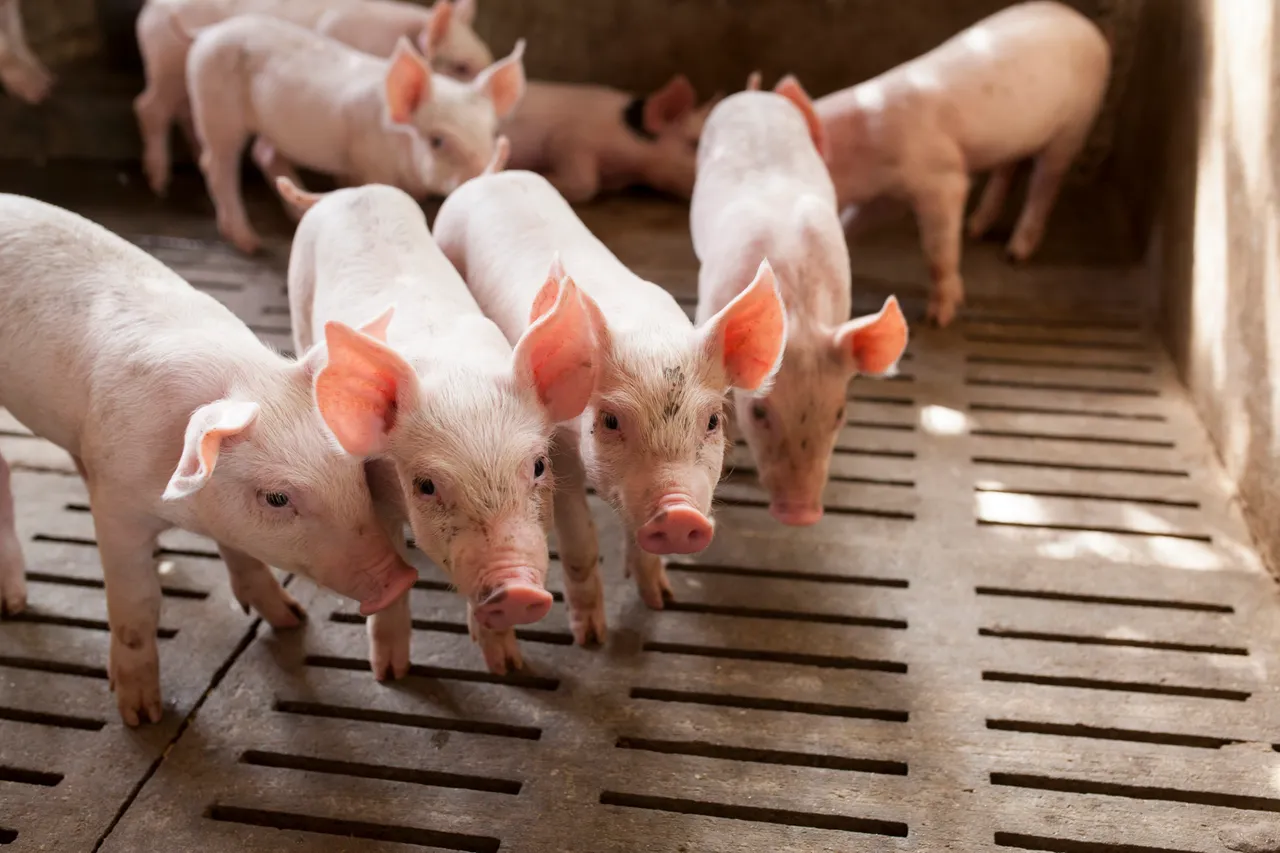
The country’s pig industry has moved from imports to exports, powered by Mong Reththy’s integrated agro model of feed, livestock, and palm oil.

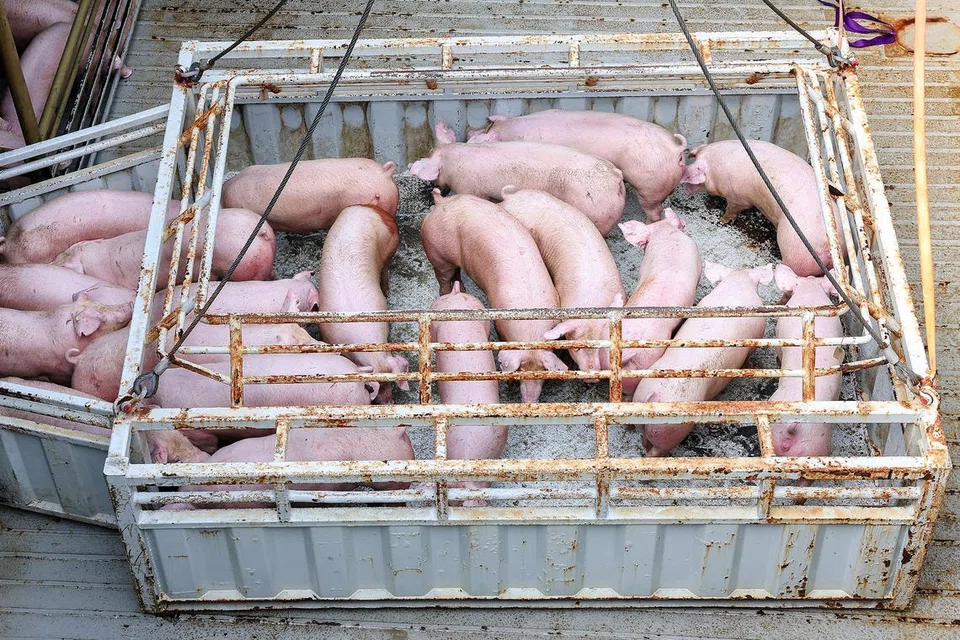
Cambodia’s pig industry, once heavily dependent on imports, has transformed into a sector capable of meeting domestic demand and even exporting surplus, according to a report by The Phnom Penh Post.
Fifteen to twenty years ago, the country brought in 3000-5000 pigs daily from neighboring countries. Today, farms require at least 2000 piglets each day, and exports have become possible. This turnaround reflects a broader integrated agricultural vision championed by senator and agribusiness leader Mong Reththy.
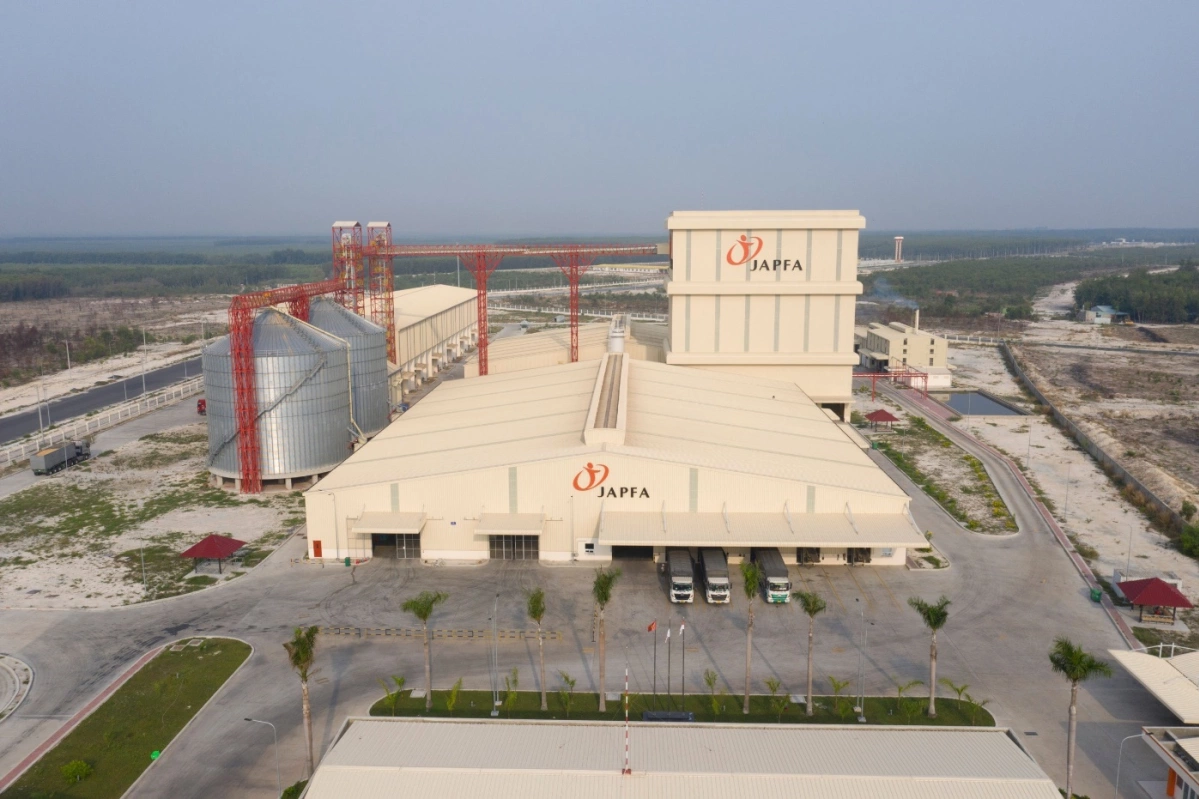
Feedmills at the core
Mr Reththy credits the shift to reduced production costs, better farm management, and locally produced feed. His feedmill currently produces 220,000 tons annually, with plans to expand to 350,000 tons. Each year, the company spends about USD 40 million purchasing cassava and corn directly from farmers, ensuring stable incomes and cutting out intermediaries.

By processing crops domestically, Cambodia avoids exporting raw materials at low prices and importing finished feed at two or three times the cost. This keeps money circulating inside the country and strengthens local supply chains.
“Today we no longer import pigs. We have to produce at least 2000 offspring a day to supply local farms,” Mr Reththy explained.
He emphasized that the availability of affordable feed has been decisive in sustaining daily output and enabling exports. The feedmill underpins a broader livestock network, ensuring that pig farming remains viable and competitive against neighboring producers.
Poultry, eggs, and aquaculture
The integrated model extends beyond pigs. Poultry and egg production have expanded, with imports of roughly one million eggs supporting food security. Mr Reththy’s group is also diversifying into fish and duck farming to maximize feedmill capacity and strengthen supply chains. These efforts broaden the agricultural base while reinforcing the pig industry’s success.
Key contributions include:
Oil palm and refining ambitions
Oil palm cultivation remains central to Mr Reththy’s long-term vision. Plantations in Prey Nob district have grown from 477 hectares in 1995 to nearly 17,000 hectares today, absorbing more than USD 120 million in investment.
Most crude palm oil is exported to India, but he aims to establish a domestic cooking oil refinery. He insists that at least 30,000 hectares are needed to make such a facility viable.
Employment and national resilience
The agro-industrial ecosystem supports about 5000 families and has created tens of thousands of jobs. Workers receive housing, and no layoffs occurred during the Covid-19 pandemic. The company has also built more than 1600 kilometers of roads, improving rural access and logistics. For Mr Reththy, agriculture is not just business but national resilience.

Subscribe now to the technical pig magazine
AUTHORS

Bifet Gracia Farm & Nedap – Automated feeding in swine nurseries

The importance of Water on pig farms
Fernando Laguna Arán
Microbiota & Intestinal Barrier Integrity – Keys to Piglet Health
Alberto Morillo Alujas
Impact of Reducing Antibiotic use, the Dutch experience
Ron Bergevoet
The keys to successful Lactation in hyperprolific sows
Mercedes Sebastián Lafuente
Addressing the challenge of Management in Transition
Víctor Fernández Segundo
Dealing with the rise of Swine Dysentery
Roberto M. C. Guedes
Actinobacillus pleuropneumoniae – What are we dealing with?
Marcelo Gottschalk
The new era of Animal Welfare in Pig Production – Are we ready?
Antonio Velarde
Gut health in piglets – What can we do to measure and improve it?
Alberto Morillo Alujas
Interview with Cristina Massot – Animal Health in Europe after April 2021
Cristina Massot
Differential diagnosis of respiratory processes in pigs
Desirée Martín Jurado Gema Chacón Pérez