Bio-secured and climate-controlled barns are essential facilities that interrupt the vicious cycle of disease within farms and improve productivity.





South Korea’s pork industry leaders are calling for sweeping reforms to secure the sector’s future.
At a press briefing in Sejong, Ki Hong Lee, President of the Korea Pork Producers Association and Chair of the Pork Producers Fund Management Committee, urged the institutionalization of bio‑secured barns, modernization of facilities, and stricter inspection standards. He said these measures are vital to improving productivity, stabilizing prices, and strengthening the competitiveness of pig farming households.

Ki Hong Lee


Mr Lee emphasized that bio-secured and climate-controlled barns are essential to breaking the vicious cycle of disease within farms. These facilities allow breeder pigs to adapt and build immunity against diseases introduced from outside.
He added that they carry public value by lowering production costs and stabilizing consumer prices.
To expand adoption, Mr Lee called for regulatory adjustments. He urged cooperation with the agriculture, land, and climate ministries to relax building‑to‑land ratios and ease emissions standards. Such changes, he explained, would create conditions for stable operations and a sustainable production base.
Mr Lee is also working to boost domestic pork consumption and diversify export markets.
Promotional campaigns are underway to raise brand value and stimulate demand. At the same time, the association is working to establish an export base by developing overseas markets in countries such as Singapore and Mongolia.
Following a quarantine agreement with Singapore last year, about 80 tons of Jeju-raised pork were exported. Future strategies, Mr Lee said, will focus on quality‑driven marketing and new consumption trends that reflect shifting preferences.
Addressing African swine fever (ASF), Mr Lee called for a stronger response system. He urged fair compensation for farmers affected by culling and more practical movement restrictions. The association continues to press the government for full compensation of losses, including downtime between culling and restocking.
“It is necessary to establish a reasonable compensation system for damages not attributable to farming households, and to relax movement restriction standards to better reflect on-the-ground realities,” he explained.
“The association will continue to call on the government to make full compensation for culling a reality and to provide compensation for business losses incurred during the downtime between culling and restocking.”
On environmental management, Mr Lee raised the need for policy support to utilize livestock manure as a recyclable resource rather than waste. He advocated wider adoption of low-carbon manure treatment facilities.
“We will enhance the environmental competitiveness of the pork industry by increasing the use of fertilizer resources, promoting the use of liquid fertilizer, and improving related systems in line with carbon neutrality policies,” he said.
“The association is pursuing the transfer of jurisdiction over liquid fertilizer, which is currently registered as a fertilizer production industry, from the Climate Ministry (under the Livestock Manure Management Act) to the Agriculture Ministry (under the Fertilizer Control Act) to unify the standards for its application.”


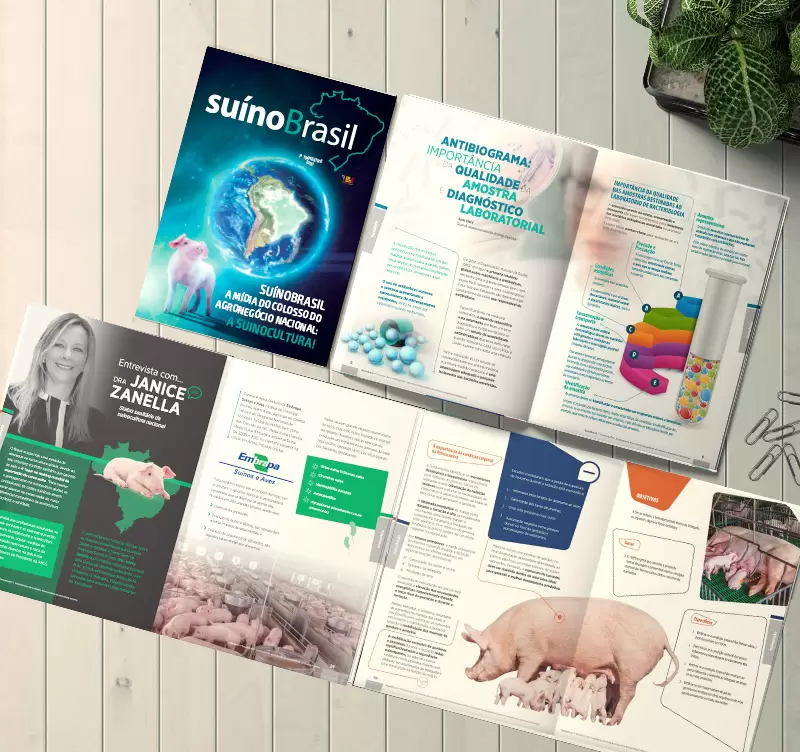
Subscribe now to the technical pig magazine
AUTHORS

Bifet Gracia Farm & Nedap – Automated feeding in swine nurseries

The importance of Water on pig farms
Fernando Laguna Arán
Microbiota & Intestinal Barrier Integrity – Keys to Piglet Health
Alberto Morillo Alujas
Impact of Reducing Antibiotic use, the Dutch experience
Ron Bergevoet
The keys to successful Lactation in hyperprolific sows
Mercedes Sebastián Lafuente
Addressing the challenge of Management in Transition
Víctor Fernández Segundo
Dealing with the rise of Swine Dysentery
Roberto M. C. Guedes
Actinobacillus pleuropneumoniae – What are we dealing with?
Marcelo Gottschalk
The new era of Animal Welfare in Pig Production – Are we ready?
Antonio Velarde
Gut health in piglets – What can we do to measure and improve it?
Alberto Morillo Alujas
Interview with Cristina Massot – Animal Health in Europe after April 2021
Cristina Massot
Differential diagnosis of respiratory processes in pigs
Desirée Martín Jurado Gema Chacón Pérez


To provide the best experiences, we use technologies like cookies...