


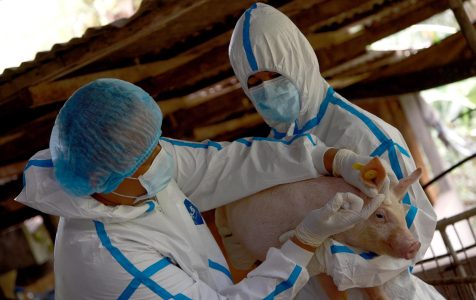
The Philippines’ animal vaccines market is projected to grow from USD 304.62 million in 2025 to USD 537.31 million by 2034, driven by livestock expansion, government programs, and rising preventive care adoption. According to IMARC Group’s latest research report, this growth reflects stronger disease control initiatives, rising pet ownership, and expanding local manufacturing capacity.
Steady rise in vaccine demand
The Philippines animal vaccines market is expected to expand at a compound annual growth rate (CAGR) of 6.51% between 2026 and 2034.
This growth reflects stronger government-led disease control initiatives and increasing awareness among farmers about preventive veterinary care. Rising pet ownership also contributes to demand, alongside investments in research and development infrastructure that strengthen biosecurity.
Key demand drivers
Several factors underpin this growth trajectory:
- ✅ Livestock production expansion in poultry and swine sectors.
- ✅ Concerns over zoonotic diseases, prompting stricter vaccination programs.
- ✅ Government veterinary initiatives targeting transboundary animal diseases.
- ✅ Preventive healthcare adoption among farmers to safeguard productivity and economic stability.
- ✅ Emergence of local vaccine manufacturing, reducing reliance on imports and improving affordability.
Segmentation highlights
Product type, animal type, and administration route divide the market into clear segments:
- ✅ Products: attenuated, inactivated, subunit, toxoid, conjugate, recombinant, and DNA vaccines.
- ✅ Animal types: companion animals and livestock.
- ✅ Administration routes: subcutaneous, intramuscular, intranasal, and others.
Regional insights show growth opportunities across Luzon, Visayas, and Mindanao, reflecting the nationwide demand for vaccination programs.
Technology and innovation
Artificial intelligence (AI) is gradually being integrated into vaccine development. AI-driven epitope prediction and antigen optimization can shorten development timelines. Machine learning also enhances disease surveillance and outbreak prediction, supporting proactive biosecurity measures.
Growth trajectory for animal vaccines
Regulatory frameworks and rising biosecurity requirements position the Philippines animal vaccines market for sustained growth. Expansion of commercial livestock farming and the development of local manufacturing capabilities will ensure vaccines remain accessible and affordable. This trajectory underscores the country’s commitment to food security, animal health, and economic resilience.