The current system allows longtime traders to steadily build up allocations over time, giving them control over a large share of imports and the market influence that comes with it.

The Philippine Department of Agriculture (DA) has rejected a proposal by local importers and traders to retain the current minimum access volume (MAV) policy for imported pork.
The DA stressed the need for a total reset to restore competitiveness in the market.
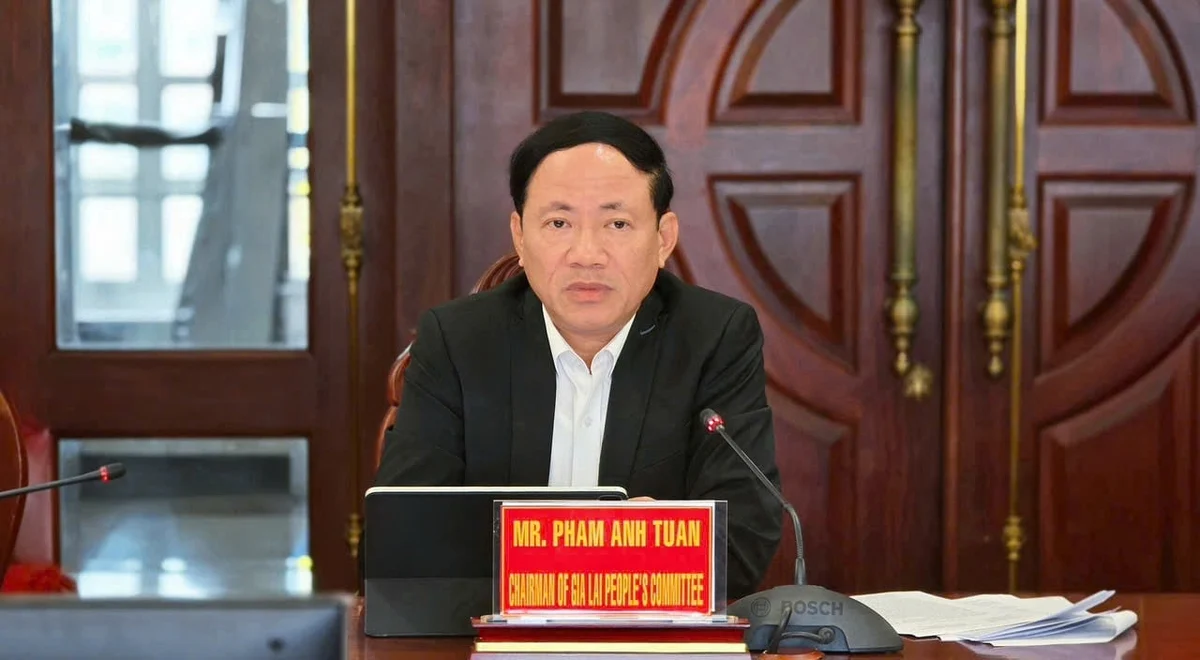
Agriculture Secretary Francisco Tiu Laurel Jr described the request submitted to the MAV Management Committee by the Meat Importers and Traders Association (MITA) as “self-serving.”
“You cannot have a few companies control the advantage of lower tariffs. Then they control the prices, then they can manipulate the markets,” he told local media.


MITA warns of price and supply risks
MITA had urged the government to retain the existing MAV guidelines, warning that changes could raise the landed costs of imported meat and push retail prices higher. The group also warned that supply disruptions could affect pork availability in the coming year.
Under the MAV policy, pork imports within the quota enjoy a lower tariff rate (15%), shipments outside the quota face a 25% tariff. The current MAV for imported pork stands at 54,210 tons.
Push for market competitiveness
Mr Tiu Laurel said the current system allows longtime traders to accumulate allocations, giving them control over most imports and the market. Earlier this year, the DA found that 47 of the 130 quota holders accounted for 80% of the total MAV allocation, with 22 cornering 70% of the volume.
To restore competitiveness, Mr Tiu Laurel said the government is keen on a total reset of the system. Large traders will lose allocations, while smaller traders will be given equal opportunity. About 30% of the MAV, or 16,200 tons, will be contested by traders.
Under the new policy, 20% will be allocated to the Kadiwa program through state-run Food Terminal Inc (FTI), enabling government intervention when retail prices soar. Half of the MAV will be allocated to processors to stabilize the costs of processed meats.
MITA calls MAV insufficient
MITA countered that the current MAV is already inadequate for industry needs. The group urged the government to prioritize the MAV-plus scheme, which expands the volume eligible for lower tariffs. MITA suggested that processors could receive priority, with some imports distributed on a first-come, first-served basis.
Mr Tiu Laurel previously asked the Office of the President to expand the quota by up to 150,000 tons. However, he said this is not a priority now, as current farm prices for live pigs do not justify the arrival of cheaper pork imports.


Subscribe now to the technical pig magazine
AUTHORS

Bifet Gracia Farm & Nedap – Automated feeding in swine nurseries

The importance of Water on pig farms
Fernando Laguna Arán
Microbiota & Intestinal Barrier Integrity – Keys to Piglet Health
Alberto Morillo Alujas
Impact of Reducing Antibiotic use, the Dutch experience
Ron Bergevoet
The keys to successful Lactation in hyperprolific sows
Mercedes Sebastián Lafuente
Addressing the challenge of Management in Transition
Víctor Fernández Segundo
Dealing with the rise of Swine Dysentery
Roberto M. C. Guedes
Actinobacillus pleuropneumoniae – What are we dealing with?
Marcelo Gottschalk
The new era of Animal Welfare in Pig Production – Are we ready?
Antonio Velarde
Gut health in piglets – What can we do to measure and improve it?
Alberto Morillo Alujas
Interview with Cristina Massot – Animal Health in Europe after April 2021
Cristina Massot
Differential diagnosis of respiratory processes in pigs
Desirée Martín Jurado Gema Chacón Pérez