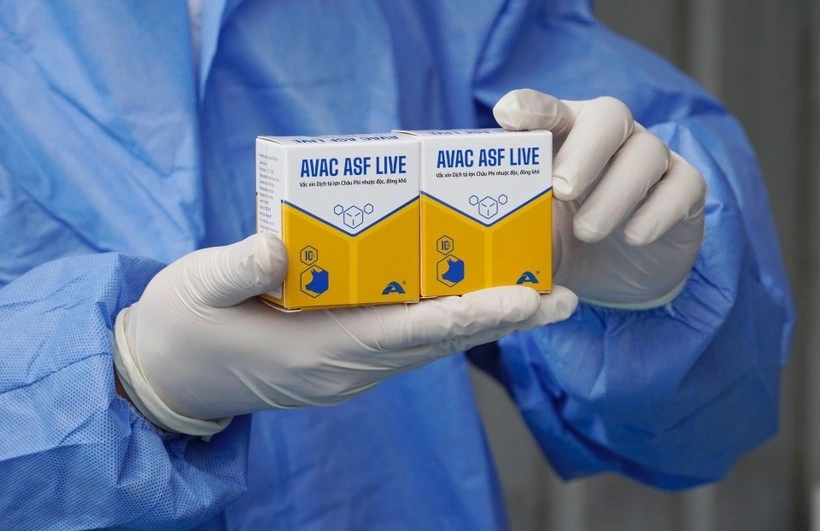
The Department of Agriculture has backed higher pork tariffs as policymakers reconsider import policies amid mounting pressure on Philippine pig producers


Amid criticisms from swine industry stakeholders, the Philippine Department of Agriculture (DA) has aligned itself more closely with pig producers as concerns grow over the impact of pork imports on the domestic swine industry. The department’s support for higher import tariffs signals a shift toward protecting producer margins after years of policies focused largely on consumer affordability and supply stability.
Agriculture Secretary Francisco Tiu Laurel Jr. backed industry calls for stronger trade safeguards, including higher pork tariffs and tighter import controls. The move follows mounting complaints from producers that lower-cost imports have weakened farmgate prices and reduced profitability.
The Samahang Industriya ng Agrikultura (SINAG) has called for tariffs to return to 30% for in-quota imports and 40% for out-quota shipments. It has also proposed a 120-day suspension of additional pork imports. Together, the measures aim to slow import inflows and give local producers room to recover.
The DA is pursuing a similar strategy. Beyond supporting higher duties, it plans to suspend import clearances for selected pork cuts while reviewing industry conditions and processor requirements.

The current debate reflects a broader reassessment of policies introduced during supply disruptions caused by African swine fever (ASF). To boost pork availability and curb inflation, the government reduced tariffs on imported pork and extended those lower rates through 2028 under Executive Order No. 62.
While the policy helped expand supply, producer groups argue it also intensified competition from imported meat at a time when many farms were still rebuilding. Their push for higher tariffs suggests concerns have shifted from shortages toward the long-term viability of domestic production.
The DA appears increasingly receptive to that argument. It has launched a safeguard measures investigation to determine whether import volumes are causing serious injury to local producers, a step that could strengthen the case for additional trade protections.
The tariff debate highlights the government’s difficult balancing act. Higher tariffs could support farm incomes and encourage investment in herd expansion. However, policymakers must also consider their effect on pork prices and food inflation.
For now, the DA’s position indicates that protecting local production has become a greater priority. Whether that results in higher tariffs or broader import restrictions will depend on the outcome of ongoing reviews. Still, the latest developments suggest the government is moving toward a more interventionist approach as it seeks to restore confidence in the Philippine swine sector.





Subscribe now to the technical pig magazine
AUTHORS

Bifet Gracia Farm & Nedap – Automated feeding in swine nurseries

The importance of Water on pig farms
Fernando Laguna Arán
Microbiota & Intestinal Barrier Integrity – Keys to Piglet Health
Alberto Morillo Alujas
Impact of Reducing Antibiotic use, the Dutch experience
Ron Bergevoet
The keys to successful Lactation in hyperprolific sows
Mercedes Sebastián Lafuente
Addressing the challenge of Management in Transition
Víctor Fernández Segundo
Dealing with the rise of Swine Dysentery
Roberto M. C. Guedes
Actinobacillus pleuropneumoniae – What are we dealing with?
Marcelo Gottschalk
The new era of Animal Welfare in Pig Production – Are we ready?
Antonio Velarde
Gut health in piglets – What can we do to measure and improve it?
Alberto Morillo Alujas
Interview with Cristina Massot – Animal Health in Europe after April 2021
Cristina Massot
Differential diagnosis of respiratory processes in pigs
Desirée Martín Jurado Gema Chacón Pérez


To provide the best experiences, we use technologies like cookies...