


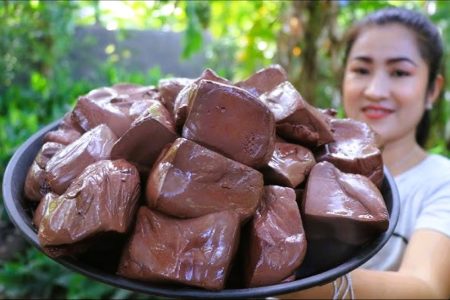
Months after Singapore lifted its 27-year ban, pig blood curd has become one of the most sought-after items in local supermarkets. Shelves are cleared within hours of restocking, as demand continues to surge far beyond available supply.
According to International Business Times, the scarcity reflects both nostalgia and renewed appetite for a product absent for decades. Retailers and suppliers now face the challenge of balancing strong consumer interest with limited shelf life and restricted imports.
Limited imports keep shelves bare
CP Foods, a Thai agro-industrial company, is the sole approved importer. It ships pasteurized pig blood curd chilled from Thailand, restricting how much stock supermarkets can hold. The company initially planned wider distribution by Q3 2026, but overwhelming demand disrupted schedules.
FairPrice reported that 80% of its stock sold within five days of launch. Some outlets sold out on the first day. Other chains, including Cold Storage and Giant, continue to struggle with rapid sellouts despite frequent replenishment.
Restaurants adapt faster than retailers
Supermarkets face shortages, but restaurants have reintroduced pig blood curd more quickly. Haidilao added it to menus soon after imports resumed, pricing portions at around USD 0.78. Hawker stalls serving dishes like kway chap and mala also brought back the ingredient, often selling out within hours.
Restaurants manage smaller, more immediate supplies, allowing them to adapt faster than large-scale retail chains. This agility has helped them meet consumer demand more effectively than supermarkets.
Safety standards guide the comeback
Pig blood curd was banned in 1999 after the Nipah virus outbreak in Malaysia. Authorities considered pig blood products high risk due to contamination concerns.
The Singapore Food Agency approved imports this year after CP Foods demonstrated compliance with modern food safety standards. Each batch undergoes microbiological testing and certification against diseases such as African swine fever, ensuring consumer safety.
Supermarkets and suppliers are working to improve availability, but demand remains intense. CP Foods continues expanding distribution, while retailers adjust stocking strategies. For now, consumers must act quickly when shelves are replenished.
The curd’s popularity shows how deeply it resonates with Singapore’s food culture, even after decades of absence. Its return highlights both nostalgia and the enduring appeal of traditional flavors.