Turning pork fat byproducts into crispy lard helps preserve food traditions, creates new commercial opportunities, and reduces the need for artificial additives.

The growing demand for pork worldwide has intensified interest in utilizing by-products more effectively. Crispy pork lard (CPL), a traditional Southeast Asian snack, represents one such opportunity.
Researchers in Thailand investigated how roasting conditions influence the chemical, color, and sensory properties of CPL, aiming to optimize production for both cultural and commercial value.
Heat that unlocks flavor and crunch
Roasting significantly altered moisture, lipid content, and oxidation levels. Higher temperatures and longer times reduced moisture and water activity, while peroxide values increased but remained within safe limits.

Color changes were driven by Maillard reactions, producing the golden-brown tones preferred by consumers. Sensory evaluations revealed that crispness and flavor were consistently appealing, though excessive roasting led to burnt notes and lower acceptability.
Key findings included:
Pinpointing the perfect roast
Using response surface methodology, the team modeled roasting effects and identified optimal conditions. Roasting at 184℃ for 146 minutes achieved the best balance of chemical stability, color, and sensory appeal. This condition reached a desirability score of 78.8%, higher than comparable studies in coffee and flour roasting.
The optimized product maintained stability for two months at room temperature and six months under refrigeration, highlighting commercial potential.
Waste turned into worth
Valorizing pork fat into CPL aligns with sustainable consumption goals by reducing waste and creating added value. The study proposed an industrial-scale roasting system with modular thermal zones, air circulation control, and real-time monitoring.
This design supports hygienic processing, energy efficiency, and integration with Industry 4.0 technologies. Rendered oil produced during roasting further enhances resource efficiency, while the product itself preserves cultural food heritage.
From lab to market potential
The research demonstrated that precise roasting conditions can transform pork by-products into high-quality, shelf-stable snacks. By optimizing temperature and time, producers can deliver crispy pork lard that meets consumer expectations while advancing sustainability.
The findings provide a foundation for industrial applications and future commercialization.

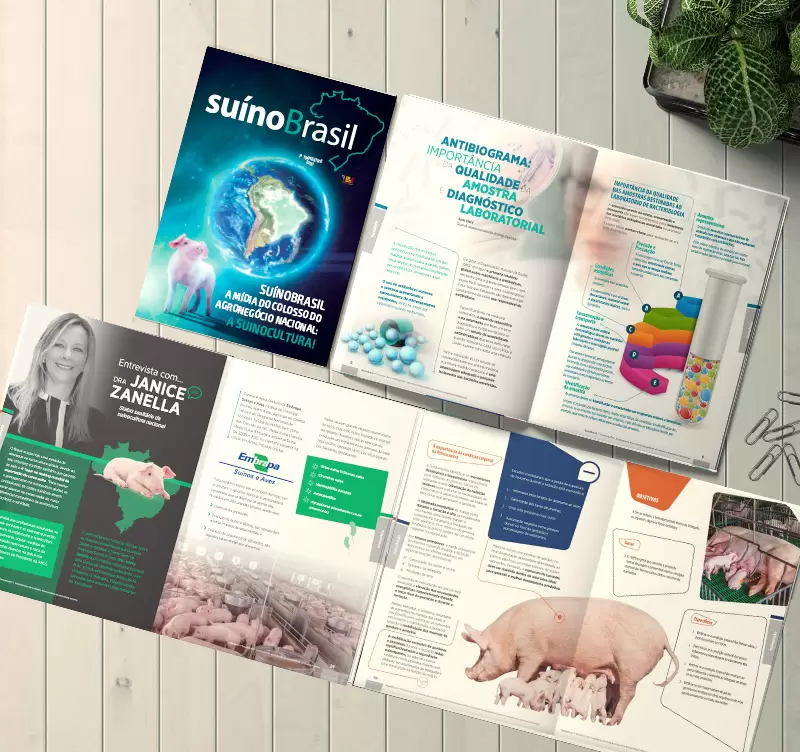
Subscribe now to the technical pig magazine
AUTHORS

Bifet Gracia Farm & Nedap – Automated feeding in swine nurseries

The importance of Water on pig farms
Fernando Laguna Arán
Microbiota & Intestinal Barrier Integrity – Keys to Piglet Health
Alberto Morillo Alujas
Impact of Reducing Antibiotic use, the Dutch experience
Ron Bergevoet
The keys to successful Lactation in hyperprolific sows
Mercedes Sebastián Lafuente
Addressing the challenge of Management in Transition
Víctor Fernández Segundo
Dealing with the rise of Swine Dysentery
Roberto M. C. Guedes
Actinobacillus pleuropneumoniae – What are we dealing with?
Marcelo Gottschalk
The new era of Animal Welfare in Pig Production – Are we ready?
Antonio Velarde
Gut health in piglets – What can we do to measure and improve it?
Alberto Morillo Alujas
Interview with Cristina Massot – Animal Health in Europe after April 2021
Cristina Massot
Differential diagnosis of respiratory processes in pigs
Desirée Martín Jurado Gema Chacón Pérez