The sector is embracing modernization, aiming to recover from disease and become a multi‑billion‑dollar export sector.

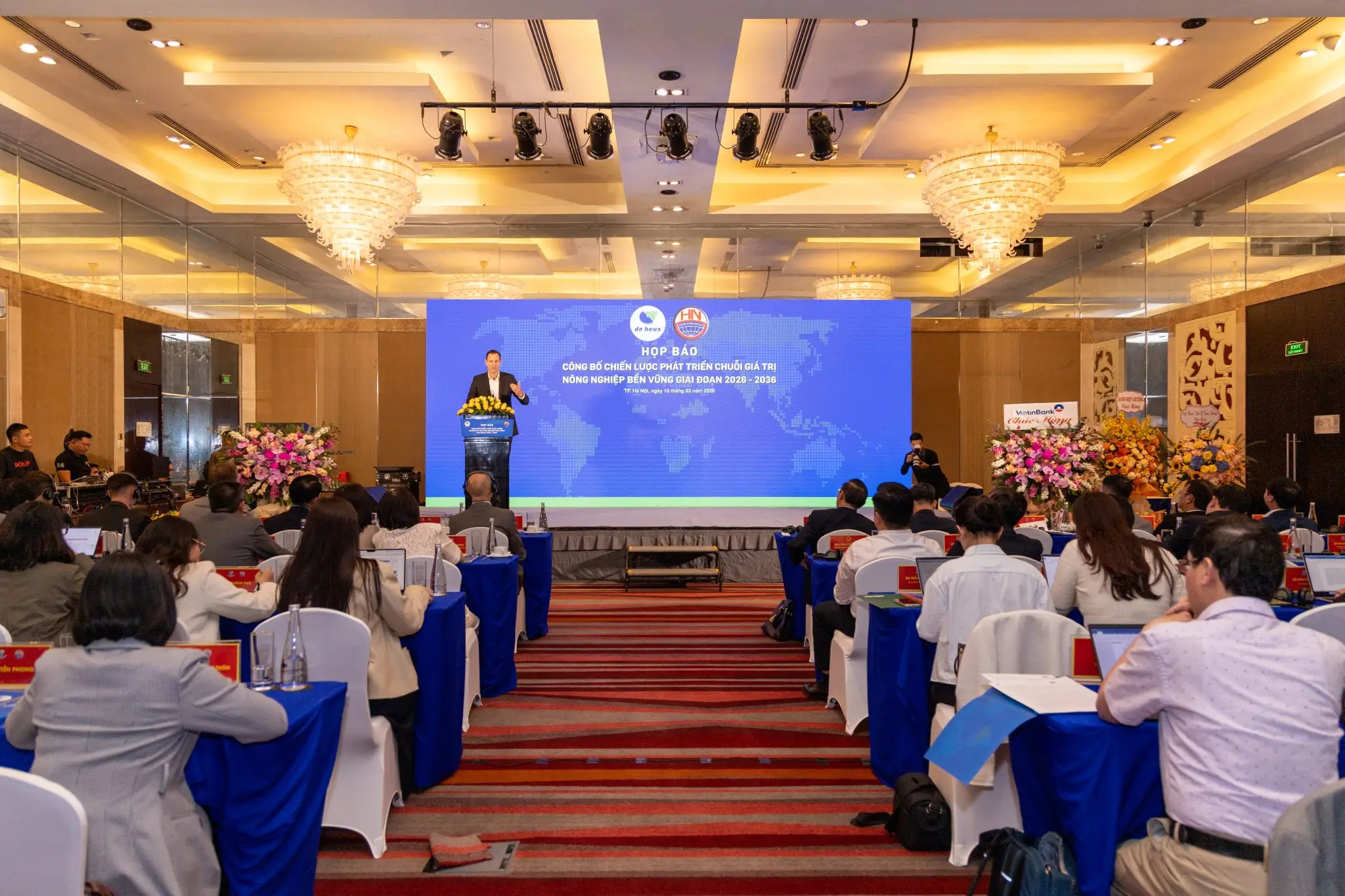
Vietnam’s livestock sector is entering a decisive phase of transformation. From the Ministry of Agriculture and Rural Development‘s national directives to decisive actions in livestock hubs like Thanh Hoa, Phu Tho, and Quang Tri, the shared goal is clear: modernization that positions the industry as a multi‑billion‑dollar export force.
At the 35th Anniversary of the Animal Husbandry Association of Vietnam (April 2026), Deputy Minister Phung Duc Tien outlined three core pillars to overcome current bottlenecks:
Mr Tien emphasized that Vietnam’s livestock industry must serve its 100-million-strong domestic market, while embedding itself in global value chains, promoting the nation’s culinary identity abroad.
After prolonged disease outbreaks, particularly African Swine Fever (ASF), provinces are repopulating herds with caution and strict biosecurity.


Across Central and Northern provinces, digitized barns and professionalized production are reshaping the industry.
Quang Tri has embraced industrial pig farming with closed‑house models. Technology has boosted productivity while ensuring sanitation. In early 2026, live meat output reached 40,700 tons, a 3.4% increase year‑on‑year.
Thanh Hoa and Phu Tho are encouraging enterprises to lead value chain linkages. Alongside pigs and poultry, specialty models such as goats and hybrid wild boars diversify income streams and adapt to shifting market demand.
The industry’s focus is shifting from rapid herd expansion to quality growth. With annual targets of 4.5–5%, the sector is tightening slaughterhouse management, controlling transport, and accelerating vaccination campaigns to finish before April 30.
Vietnam’s livestock future rests on the combined dedication of experts and the adaptability of farmers. Together, they aim not only to recover from disease but to establish livestock as a resilient economic pillar of the nation.

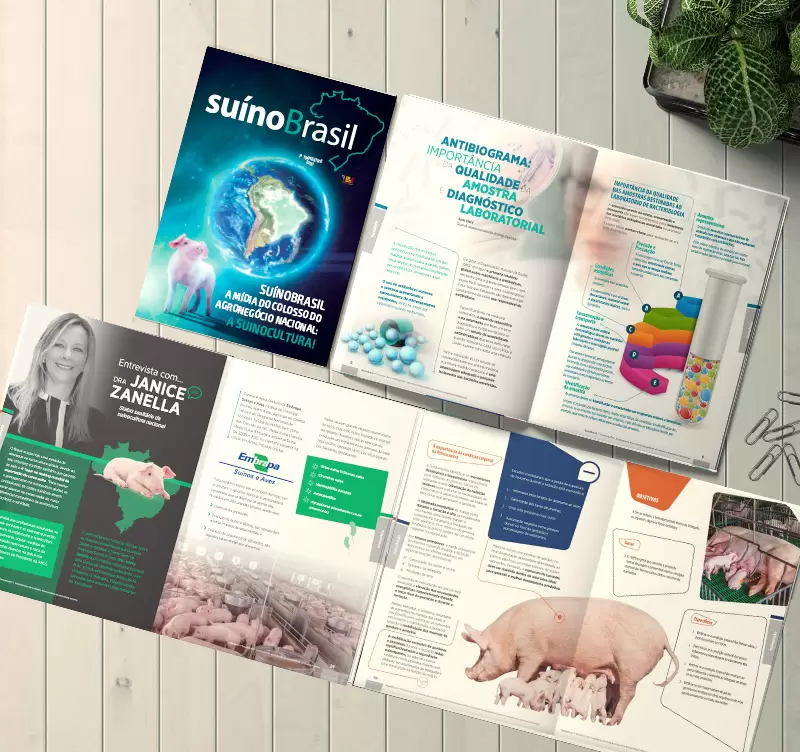
Subscribe now to the technical pig magazine
AUTHORS

Bifet Gracia Farm & Nedap – Automated feeding in swine nurseries

The importance of Water on pig farms
Fernando Laguna Arán
Microbiota & Intestinal Barrier Integrity – Keys to Piglet Health
Alberto Morillo Alujas
Impact of Reducing Antibiotic use, the Dutch experience
Ron Bergevoet
The keys to successful Lactation in hyperprolific sows
Mercedes Sebastián Lafuente
Addressing the challenge of Management in Transition
Víctor Fernández Segundo
Dealing with the rise of Swine Dysentery
Roberto M. C. Guedes
Actinobacillus pleuropneumoniae – What are we dealing with?
Marcelo Gottschalk
The new era of Animal Welfare in Pig Production – Are we ready?
Antonio Velarde
Gut health in piglets – What can we do to measure and improve it?
Alberto Morillo Alujas
Interview with Cristina Massot – Animal Health in Europe after April 2021
Cristina Massot
Differential diagnosis of respiratory processes in pigs
Desirée Martín Jurado Gema Chacón Pérez