Anchored on sustainability and governance, Vitarich reaffirmed its long-term strategy to support livelihoods and strengthen the Philippine food supply chain.





Vitarich Corporation, one of the Philippines’ leading integrated animal protein and animal nutrition companies, reported stronger financial results in 2025, underscoring its resilience and renewed strategic direction.
Consolidated revenues reached approximately USD 202 million (USD 1:PHP 61, while net income rose 34% to USD 4.76 million. Cash and cash equivalents increased to USD 13.8 million, reinforcing liquidity and financial flexibility. Total equity grew to USD 41.1 million, further strengthening the company’s financial foundation.
Vitarich reflected on 2025 as a year of organizational renewal marked by stronger profitability, disciplined execution, and a clearer focus on long-term success. President and CEO Ricardo Manuel Sarmiento described it as both a milestone and a turning point.
“We did more than look back at decades of growth, cycles of challenge, and subsequent recovery,” he said. “We engaged in a profound organizational reflection, and took a step back to reassess not just how we operate, but why we exist.”

The year was marked by deliberate renewal across the company’s feed, poultry, pig, and processing operations. Realignment initiatives were introduced to enhance cohesion, sharpen corporate direction, and position Vitarich as a long-term leader in Philippine agribusiness. Executives emphasized that profitability was achieved alongside disciplined execution and a clearer focus on sustainable growth.

“We are fully committed to building an organization that is not only operationally sound, but also profoundly relevant to the future of our country’s agricultural landscape and its driver of growth—the Filipino agripreneur,” Mr Sarmiento explained.
At the core of this transformation is Vitarich’s renewed purpose: creating value more intentionally and contributing meaningfully to the communities it serves. The company aims to support livelihoods, enable new market opportunities, and strengthen the food supply chain.
“We aim to support livelihoods, enable new market opportunities, and build a more robust food supply chain for our nation,” Mr Sarmiento noted. “Our renewed mission is about ensuring that every step we take contributes to shared value for stakeholders and communities alike.”
Vitarich increasingy integrates Environmental, Social and Governance (ESG) principles into daily operations. These principles influence procurement decisions, production processes, governance structures, and risk management practices. The sustainability agenda ensures relevance in the evolving agricultural landscape while reinforcing operational soundness.
“Our commitment to sustainability is not an add-on—it is embedded in how we operate every day. From procurement to production, governance to risk management, ESG principles guide our decisions,” Mr Sarmiento highlighted.
Shareholders approved several governance measures, including the election of Isabella Victoria Sarmiento to the Board of Directors, expanding the board’s capacity to ten members. Other approvals included the ratification of board and management acts, confirmation of the external auditor, and appointment of the stock transfer agent.
Anchored on its renewed purpose, Vitarich remains focused on advancing with discipline and sustainability while building a future-ready organization. Leaders emphasized balancing profitability with social responsibility, ensuring shared value for stakeholders and communities alike.
“We are building a company that is future-ready, one that strengthens food security and livelihood creation across Philippine agriculture. Our renewed purpose is about relevance, resilience, and responsibility. We are determined to shape the future of agribusiness in ways that matter most to our people and our nation.”




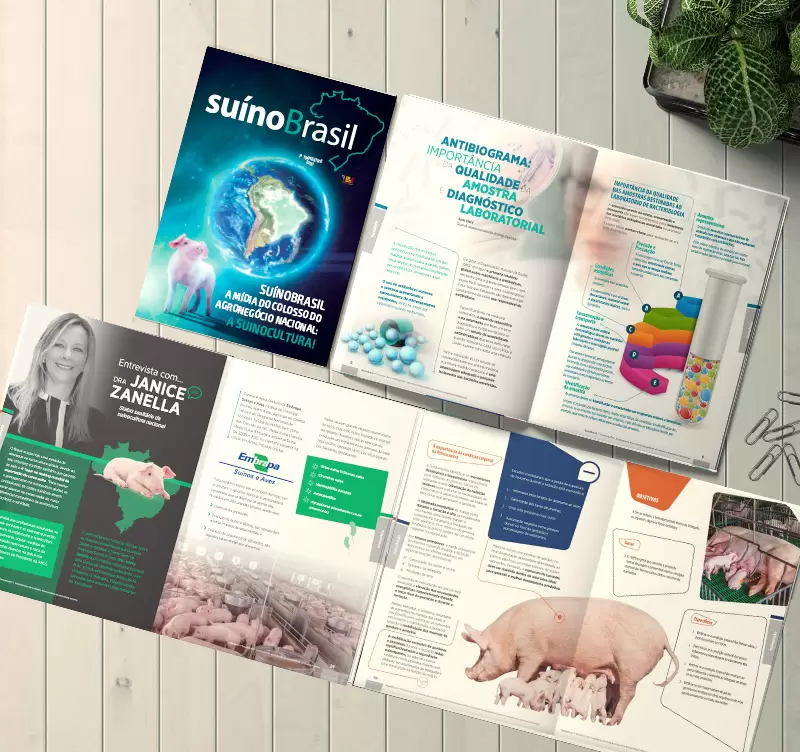
Subscribe now to the technical pig magazine
AUTHORS

Bifet Gracia Farm & Nedap – Automated feeding in swine nurseries

The importance of Water on pig farms
Fernando Laguna Arán
Microbiota & Intestinal Barrier Integrity – Keys to Piglet Health
Alberto Morillo Alujas
Impact of Reducing Antibiotic use, the Dutch experience
Ron Bergevoet
The keys to successful Lactation in hyperprolific sows
Mercedes Sebastián Lafuente
Addressing the challenge of Management in Transition
Víctor Fernández Segundo
Dealing with the rise of Swine Dysentery
Roberto M. C. Guedes
Actinobacillus pleuropneumoniae – What are we dealing with?
Marcelo Gottschalk
The new era of Animal Welfare in Pig Production – Are we ready?
Antonio Velarde
Gut health in piglets – What can we do to measure and improve it?
Alberto Morillo Alujas
Interview with Cristina Massot – Animal Health in Europe after April 2021
Cristina Massot
Differential diagnosis of respiratory processes in pigs
Desirée Martín Jurado Gema Chacón Pérez