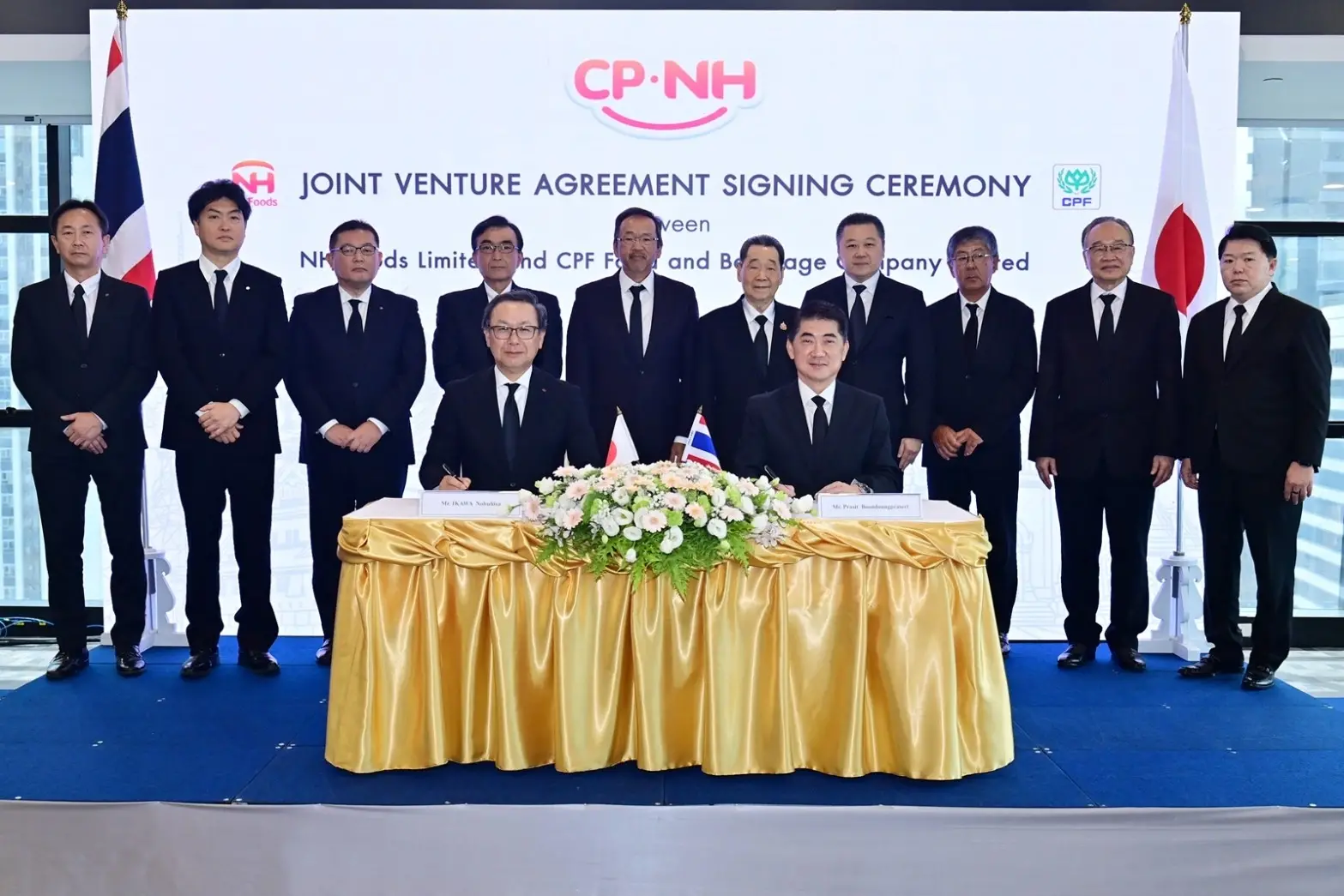
CPF stock navigates volatile commodity prices and market pressures, prompting investor scrutiny on resilience in Asia’s agribusiness sector.




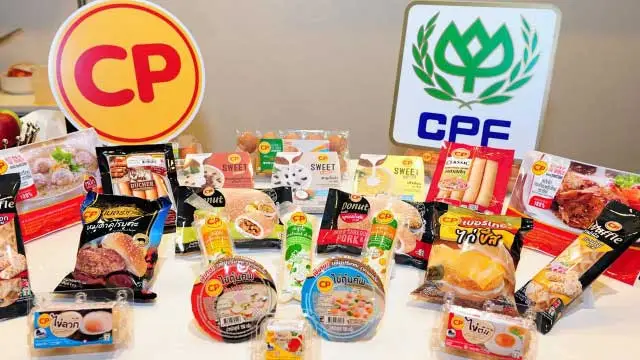
Thailand’s agrifood giant Charoen Pokphand Foods (CPF) is confronting significant headwinds as volatile commodity prices ripple through its core operations, according to Elena Voss, a senior agribusiness analyst tracking Asia’s protein giants and their impact on global supply chains for European investors.
As Thailand’s largest agribusiness player and a key supplier of poultry, pork, and seafood globally, CPF grapples with elevated feed costs and softening demand in key markets.
Investors watching this ordinary share listed on the Stock Exchange of Thailand are assessing whether its diversified model can weather these pressures.
The CPF stock has faced downward pressure amid broader commodity volatility, with feed grain prices swinging due to weather disruptions and geopolitical tensions, wrote Ms Voss in her report.


CPF derives over 60% of revenue from livestock businesses, making it acutely sensitive to corn and soybean fluctuations. Market sentiment reflects concerns about margin compression, although the company’s scale offers some buffering.
Trading volumes have picked up as investors reposition, but the share price trend underscores vulnerability to input cost spikes. For CPF, this environment tests its ability to pass on costs without losing market share.
CPF operates across poultry, swine, aquaculture, and consumer products, with international footprints in Vietnam, the Philippines, and Turkey, stated Ms Voss.
This diversification historically shields it from single-market shocks, but current headwinds hit swine and poultry hardest. Elevated corn prices, up due to La Niña effects in South America, squeeze feed margins, a critical metric for agribusiness investors.
Consumer foods, contributing about 25% of sales, show relative resilience through branded products like CP chicken and pork. However, inflation-weary consumers in Asia are trading down, pressing premium pricing power.
The company’s vertical integration—from farms to retail—helps control costs but cannot fully offset global commodity swings.
For English-speaking investors in Germany, Austria, and Switzerland, CPF represents exposure to Asia’s protein boom without direct China risk, said Ms Voss.
Rising EU pork imports from Thailand highlight supply chain links, especially as African swine fever (ASF) recovery boosts regional demand.
DACH portfolios heavy in Nestle or Aryzta may find CPF’s scale complementary, offering growth in emerging markets. Euro strength against the Thai baht aids returns for continental holders, but currency hedging remains key amid volatility. Regulatory alignment with EU standards positions CPF for potential export growth to Germany.
Agribusiness margins depend on the feed conversion ratio, where CPF excels through biotech feed innovations, according to Ms Voss.
Recent quarters likely saw EBITDA margins dip below historical 10% levels due to input costs outpacing protein prices.
Management’s focus on biosecurity and automation aims to lift operating leverage, targeting cost savings of several percentage points.
CPF generates robust free cash flow, enabling consistent dividends yielding around 3-4% historically. Payout ratios stay prudent at 50% of earnings, balancing growth capex in aquaculture and overseas plants. Recent buybacks signal confidence, although suspended amid volatility to preserve liquidity, wrote Ms Voss.
Balance sheet strength—current ratio above 1.5—supports M&A, like recent Philippine acquisitions. For DACH investors, this discipline contrasts volatile emerging market peers, offering defensive traits in protein space.
CPF leads Thailand’s market with 50%+ pork share, fending off BRF and local players via scale.
Globally, it trails Tyson but dominates Asia. Sector tailwinds include population growth and middle-class protein shift, countered by sustainability pressures on antibiotics and emissions.
Competitors face similar headwinds, but CPF’s CP Group backing provides funding edge. EU carbon border taxes indirectly favor efficient producers like CPF, eyeing compliant exports.
According to Ms Voss’ analysis, CPF stock suits patient investors betting on Asia’s protein demand. Near-term volatility persists, but long-term drivers—urbanization, exports—support recovery.
She suggests investors to monitor Q1 results for margin trajectory and guidance. Strategic expansions position CPF for outperformance if macros stabilize.


Subscribe now to the technical pig magazine
AUTHORS

Bifet Gracia Farm & Nedap – Automated feeding in swine nurseries

The importance of Water on pig farms
Fernando Laguna Arán
Microbiota & Intestinal Barrier Integrity – Keys to Piglet Health
Alberto Morillo Alujas
Impact of Reducing Antibiotic use, the Dutch experience
Ron Bergevoet
The keys to successful Lactation in hyperprolific sows
Mercedes Sebastián Lafuente
Addressing the challenge of Management in Transition
Víctor Fernández Segundo
Dealing with the rise of Swine Dysentery
Roberto M. C. Guedes
Actinobacillus pleuropneumoniae – What are we dealing with?
Marcelo Gottschalk
The new era of Animal Welfare in Pig Production – Are we ready?
Antonio Velarde
Gut health in piglets – What can we do to measure and improve it?
Alberto Morillo Alujas
Interview with Cristina Massot – Animal Health in Europe after April 2021
Cristina Massot
Differential diagnosis of respiratory processes in pigs
Desirée Martín Jurado Gema Chacón Pérez