Governments must respond with greater agility and a more commercially minded approach to managing risk.





Global agriculture is under mounting pressure as overlapping crises converge, threatening production and trade across multiple regions. Climate instability, disease outbreaks, and geopolitical tensions are reshaping food systems worldwide.
The warning came from Philippines Department of Agriculture Secretary Francisco Tiu Laurel Jr, who emphasized that governments must prepare for unprecedented volatility and adopt more agile responses.
Unstable weather patterns, including repeated El Niño and La Niña cycles, have disrupted planting schedules and reduced harvest predictability. Farmers face increasing uncertainty about yields and income stability.
These climate shocks are compounded by persistent animal diseases. African swine fever continues to affect hog production, while bird flu outbreaks weaken poultry supply chains and push food prices higher.


Geopolitical tensions have added further strain. The Ukraine war has disrupted grain exports, while pandemic aftershocks continue to unsettle supply chains and limit trade flows.
Export restrictions on key commodities have become more frequent, creating ripple effects across global markets. Laurel noted these disruptions are no longer isolated but part of a broader volatility pattern.
For the Philippines, production efficiency remains the most pressing challenge. High costs, driven by infrastructure and logistics gaps, limit competitiveness in both domestic supply and export markets.
While product quality and marketing are relatively strong, cost competitiveness continues to constrain growth. Laurel stressed that lowering production costs is essential to strengthen resilience and expand trade potential.
Governments must adopt commercially minded approaches to risk management and respond with greater agility to overlapping crises. Laurel urged policymakers to act decisively in addressing systemic weaknesses.
He underscored the importance of global coordination, saying the World Trade Organization remains a vital venue for dialogue amid fragmented and uncertain trade conditions.


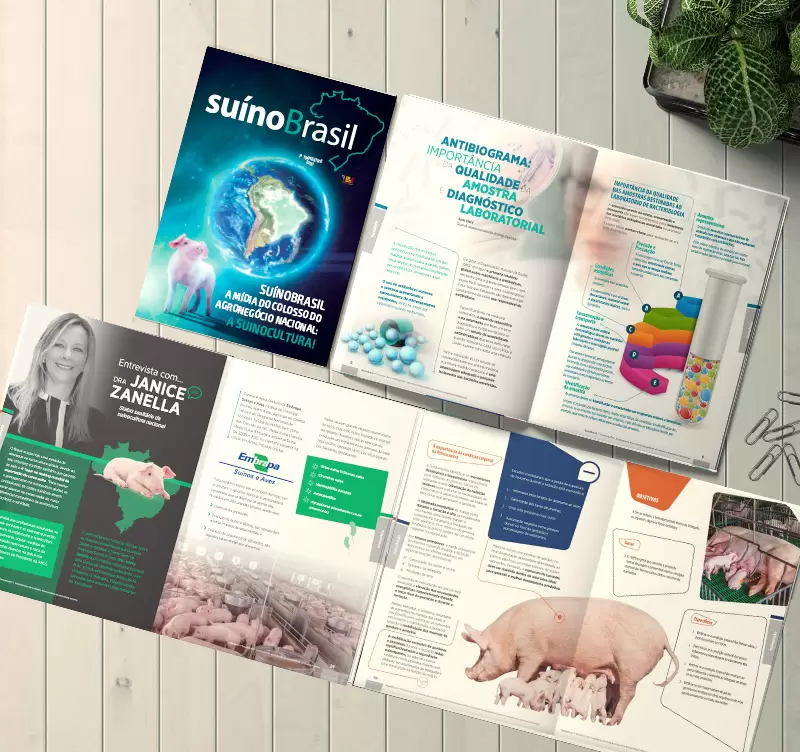
Subscribe now to the technical pig magazine
AUTHORS

Bifet Gracia Farm & Nedap – Automated feeding in swine nurseries

The importance of Water on pig farms
Fernando Laguna Arán
Microbiota & Intestinal Barrier Integrity – Keys to Piglet Health
Alberto Morillo Alujas
Impact of Reducing Antibiotic use, the Dutch experience
Ron Bergevoet
The keys to successful Lactation in hyperprolific sows
Mercedes Sebastián Lafuente
Addressing the challenge of Management in Transition
Víctor Fernández Segundo
Dealing with the rise of Swine Dysentery
Roberto M. C. Guedes
Actinobacillus pleuropneumoniae – What are we dealing with?
Marcelo Gottschalk
The new era of Animal Welfare in Pig Production – Are we ready?
Antonio Velarde
Gut health in piglets – What can we do to measure and improve it?
Alberto Morillo Alujas
Interview with Cristina Massot – Animal Health in Europe after April 2021
Cristina Massot
Differential diagnosis of respiratory processes in pigs
Desirée Martín Jurado Gema Chacón Pérez