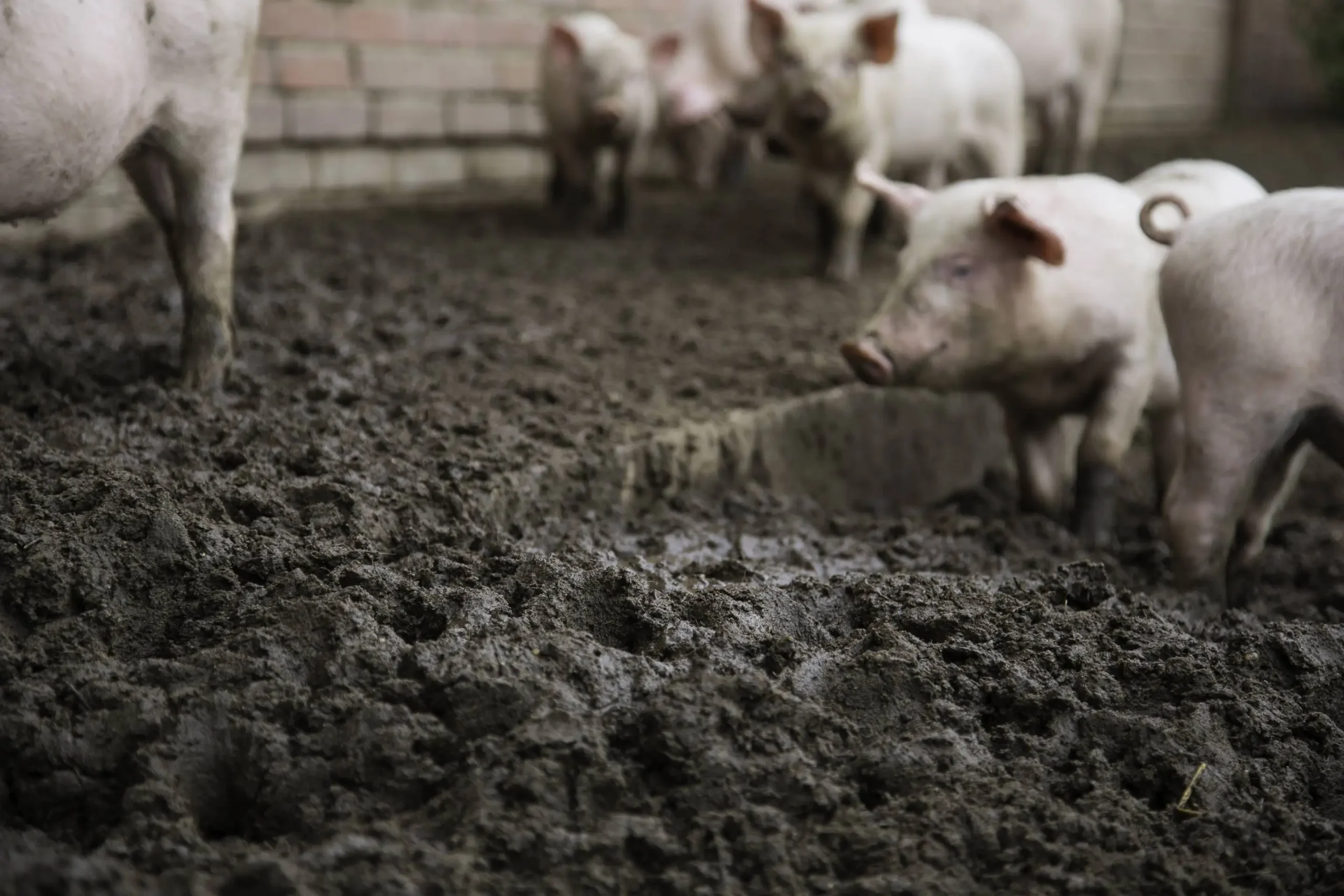
Producers urge stricter import limits and tariff adjustments to protect local farmers, as the country works to rebuild pig herds post-ASF.

The Philippine pig sector is cautiously optimistic about recovery in 2026, though producers warn that rising imports could undermine repopulation efforts.
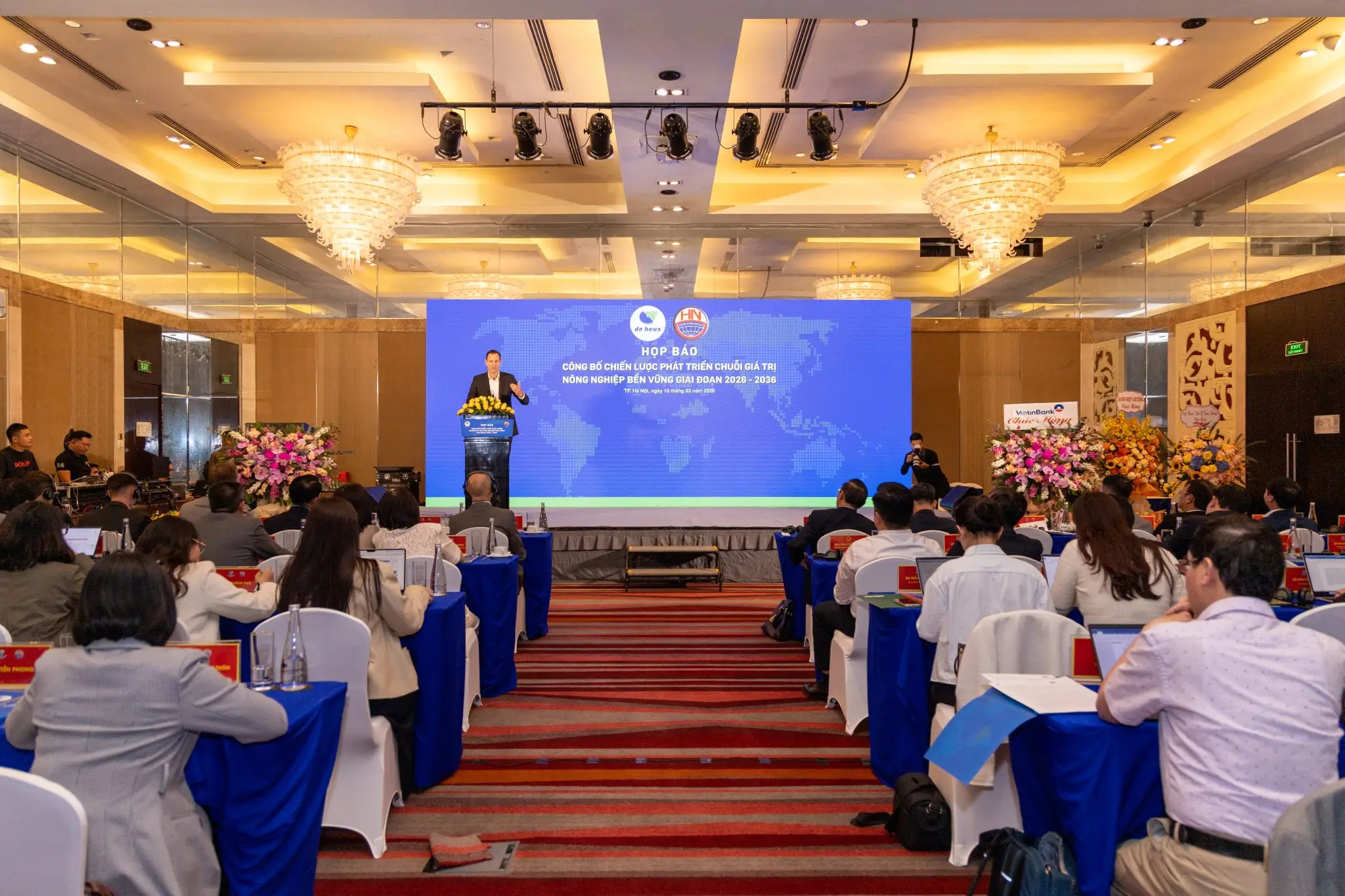
On Day 1 of the International Farmers Summit 2026, held in Manila from February 26-28, Department of Agriculture Undersecretary Constante Palabrica said government interventions have curbed African swine fever (ASF), allowing production to rebound. Pig inventory reached 8.79 million heads in 2025, slightly higher than the previous year.
He noted that checkpoints across Luzon helped minimize disease transmission after outbreaks in Batangas. He said vaccination remains essential, with four suppliers seeking approval for commercial use this year.
Repopulation drive gains momentum

The DA is rolling out repopulation funds and breeder gilt distribution to help restore pig numbers after ASF losses.
Dr Palabrica said the agency aims to distribute 40,000 breeder gilts this year, with a target of 200,000 by 2028. The government hopes to increase the herd by one million pigs annually, though full recovery to pre-ASF levels of 13 million heads remains distant.
Imports put pressure on local producers
Farmers say rising pork imports are pushing prices below production costs, discouraging expansion despite government support for repopulation.
Alfred Ng, Vice Chairman of the National Federation of Hog Farmers Inc, acknowledged the government’s repopulation fund of about USD 28 million but stressed that imports continue to depress live prices.
He said liveweight pig prices fell by about USD 0.50/kg in January, the first time in history that prices dropped during peak demand months.
Mr Ng added that pork imports reached a record 851,760 tons in 2025, up from 733,729 tons the year before.
Farmers point to several immediate consequences of rising imports:
Calls for fairer trade measures
Industry leaders argue that restoring higher tariffs would level the playing field, giving local producers a fair chance against cheaper imports.
Mr Ng urged the DA to limit imports to 400,000 tons and restrict them to processors. He also appealed for tariffs to return to 35-45% from the current 15-25%.
ASF remains a lingering threat
Despite checkpoints and vaccination efforts, ASF continues to affect communities, reminding producers that disease control remains central to recovery.
As of February 20, 19 barangays in 15 municipalities reported active ASF cases. Dr Palabrica emphasized that eradication is unlikely in the near term, underscoring the need for vaccination alongside biosecurity measures.
| Philippine pig industry at a glance Pig Inventory
Imports
Prices
Government support
Tariffs
ASF Status
|


Subscribe now to the technical pig magazine
AUTHORS

Bifet Gracia Farm & Nedap – Automated feeding in swine nurseries

The importance of Water on pig farms
Fernando Laguna Arán
Microbiota & Intestinal Barrier Integrity – Keys to Piglet Health
Alberto Morillo Alujas
Impact of Reducing Antibiotic use, the Dutch experience
Ron Bergevoet
The keys to successful Lactation in hyperprolific sows
Mercedes Sebastián Lafuente
Addressing the challenge of Management in Transition
Víctor Fernández Segundo
Dealing with the rise of Swine Dysentery
Roberto M. C. Guedes
Actinobacillus pleuropneumoniae – What are we dealing with?
Marcelo Gottschalk
The new era of Animal Welfare in Pig Production – Are we ready?
Antonio Velarde
Gut health in piglets – What can we do to measure and improve it?
Alberto Morillo Alujas
Interview with Cristina Massot – Animal Health in Europe after April 2021
Cristina Massot
Differential diagnosis of respiratory processes in pigs
Desirée Martín Jurado Gema Chacón Pérez