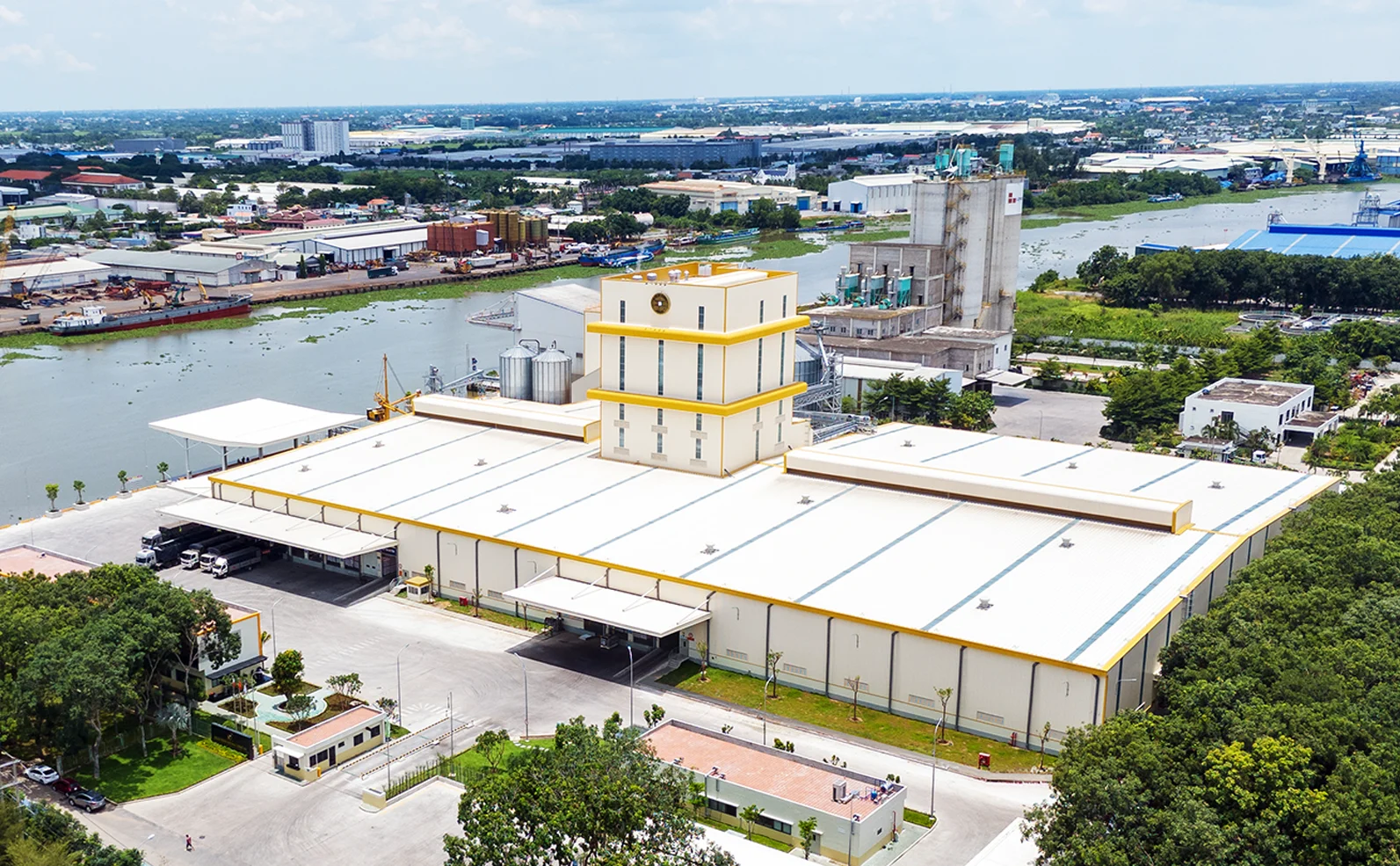
The city’s livestock development plan, now officially approved, sets clear goals for modernization, regional integration, and full industrialization by 2045.





Ho Chi Minh City has introduced a comprehensive livestock development strategy for 2026–2030, designed to transform traditional production into smart, sustainable farming systems that prioritize biosecurity and environmental sustainability.
This vision has been endorsed through Decision No. 2616/QD-UBND, approved by the Ho Chi Minh City People’s Committee, marking a major milestone in the city’s agricultural modernization efforts.
The plan aims to strengthen food self-sufficiency while positioning the city as a regional center for high-quality breeding stock. Ho Chi Minh City will serve as a hub for technical services, veterinary support, and technology transfer to neighboring provinces.
A regional linkage model will be promoted, with the city supplying breeding stock and acting as a major consumption market. Surrounding provinces will coordinate production to ensure a stable food supply for urban consumers.


The strategy sets ambitious goals to reinforce the city’s role in modern urban agriculture:
To achieve these goals, Ho Chi Minh City will implement five key strategic initiatives:
By 2045, Ho Chi Minh City envisions a fully industrialized livestock sector. Meat, eggs, and dairy will be produced in closed-loop, biosecure systems supported by digital technologies.
This transformation will contribute to sustainable, ecosystem-friendly urban agriculture and reinforce the city’s role as a regional leader in livestock innovation.



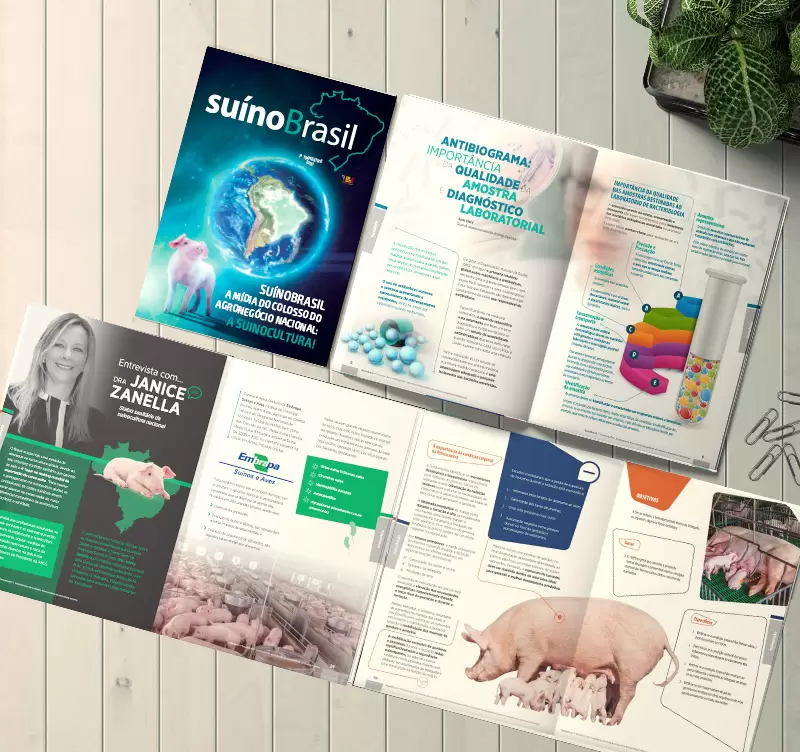
Subscribe now to the technical pig magazine
AUTHORS

Bifet Gracia Farm & Nedap – Automated feeding in swine nurseries

The importance of Water on pig farms
Fernando Laguna Arán
Microbiota & Intestinal Barrier Integrity – Keys to Piglet Health
Alberto Morillo Alujas
Impact of Reducing Antibiotic use, the Dutch experience
Ron Bergevoet
The keys to successful Lactation in hyperprolific sows
Mercedes Sebastián Lafuente
Addressing the challenge of Management in Transition
Víctor Fernández Segundo
Dealing with the rise of Swine Dysentery
Roberto M. C. Guedes
Actinobacillus pleuropneumoniae – What are we dealing with?
Marcelo Gottschalk
The new era of Animal Welfare in Pig Production – Are we ready?
Antonio Velarde
Gut health in piglets – What can we do to measure and improve it?
Alberto Morillo Alujas
Interview with Cristina Massot – Animal Health in Europe after April 2021
Cristina Massot
Differential diagnosis of respiratory processes in pigs
Desirée Martín Jurado Gema Chacón Pérez